Jafar Qazi: The Rainbow of Art and Thought
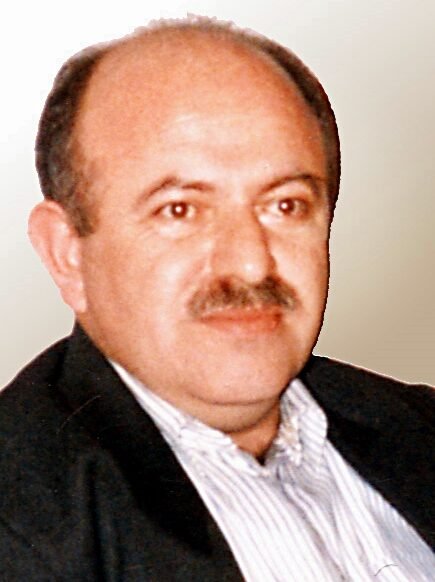
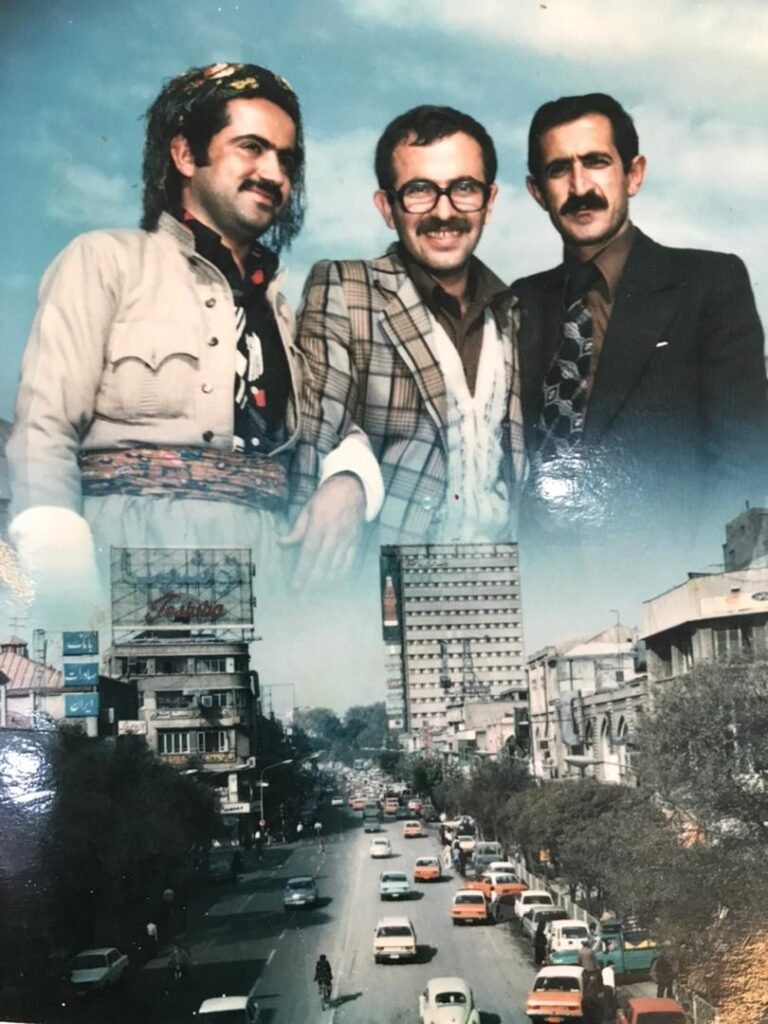
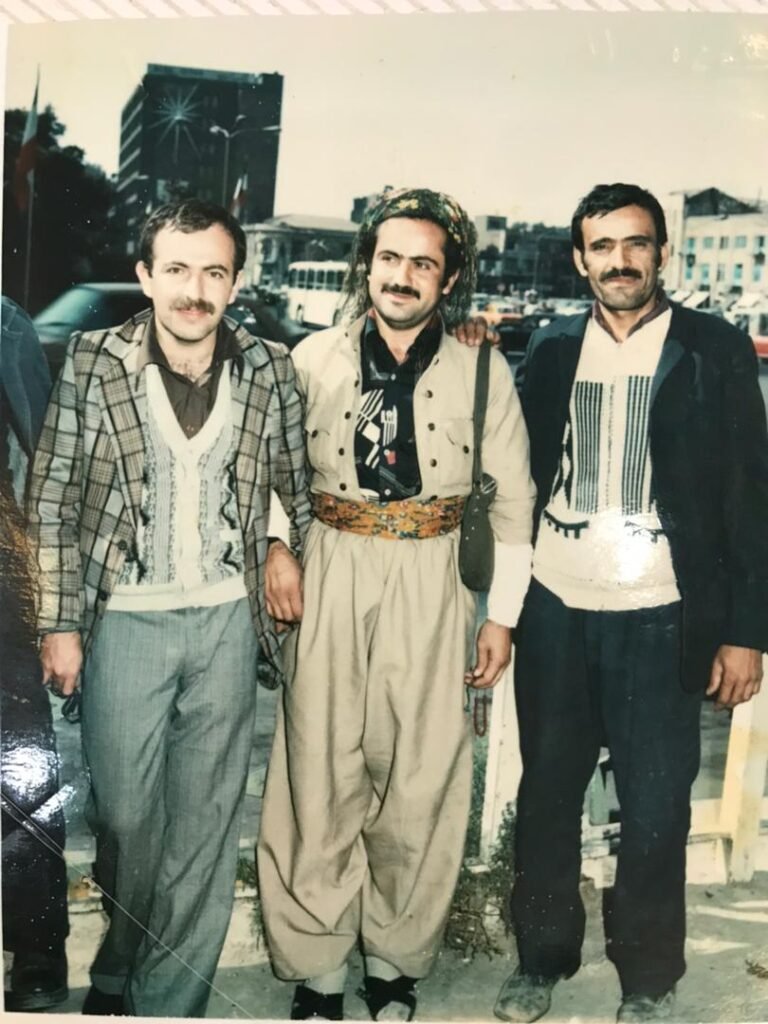
Jafar Qazi (1954–1998) was a singular artist and intellectual who spent his life at the intersection of political struggle, the painter's brush, and the vibrant colors of Kurdish identity. He was far more than a painter; he was a master guardian of his nation’s culture and history.
birth and Early Development
Jafar Qazi was born in 1954 (1333 SH) into an authentic and culture-loving family in the city of Mahabad. He was the son of Abdulrahman Qazi and Halimeh Khanum Osmani. From childhood, he displayed signs of keen intelligence and precision. He completed his primary and secondary education in Mahabad with distinction. At the age of 18, he took his first serious steps into the world of art, creating his first painting in oil.
University Years and Imprisonment
To pursue his higher education, he moved to Babolsar, where he was accepted into the department of Political Economy. However, his heart did not beat for art alone; the freedom of his nation and homeland was his greatest concern. Consequently, in 1975, he was arrested by SAVAK for his political activities and sentenced to 12 years in prison. After three years of steadfast resistance, he was released in 1978 following the fall of the monarchy.
Marriage and Family
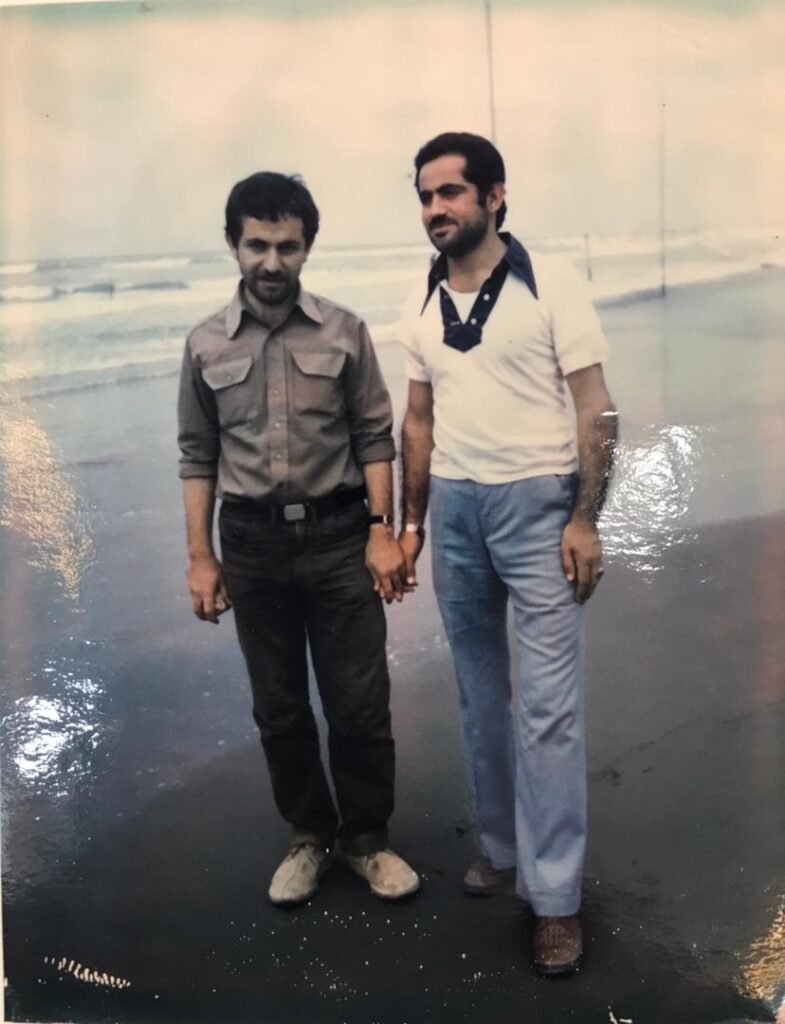
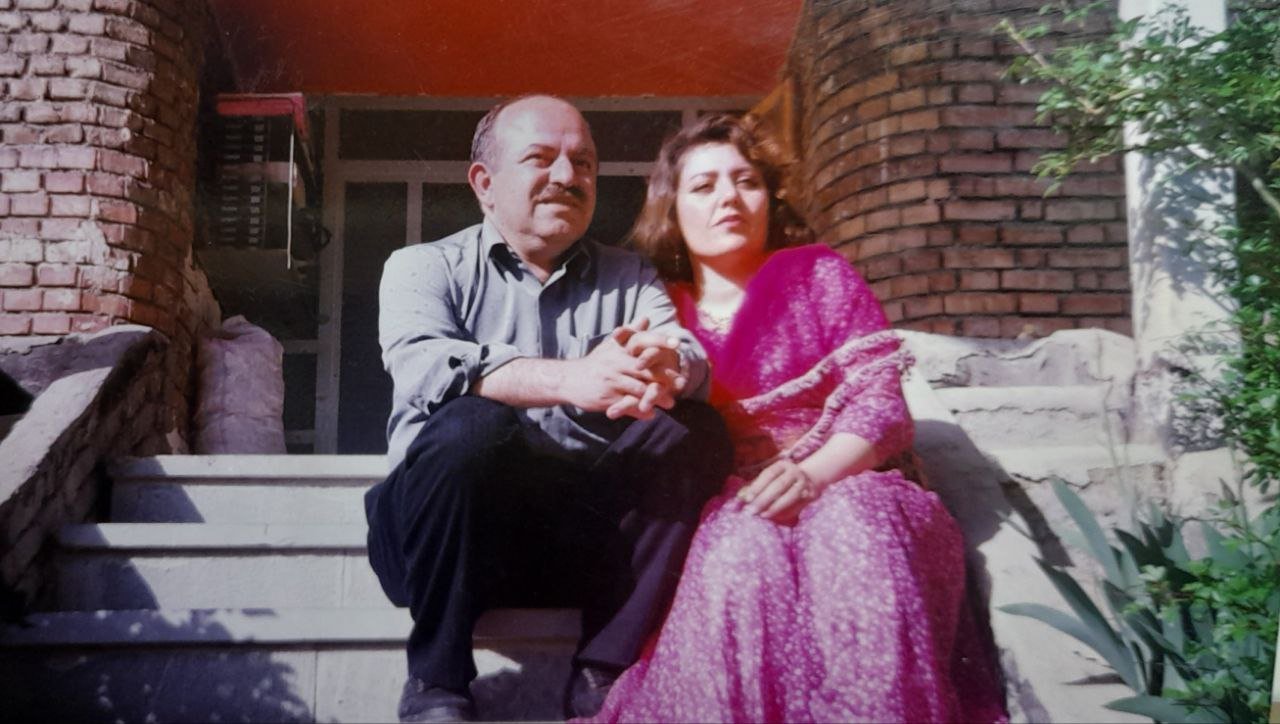
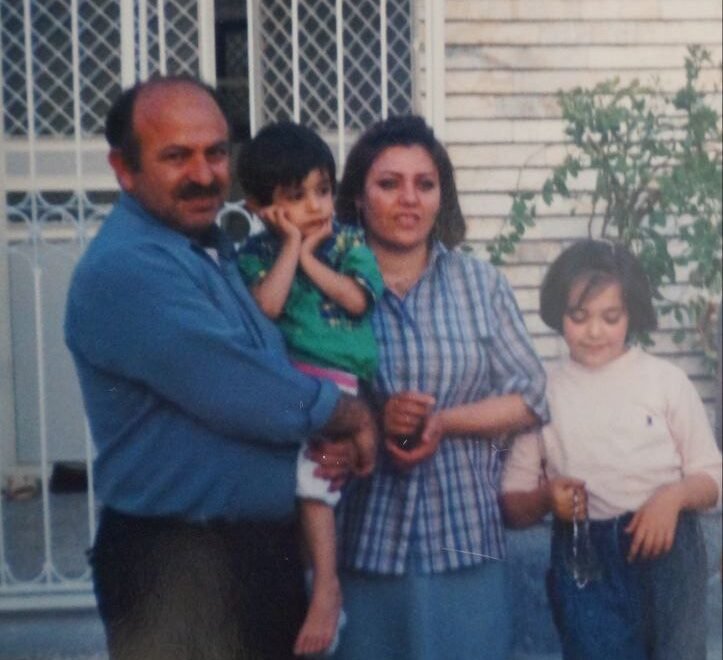
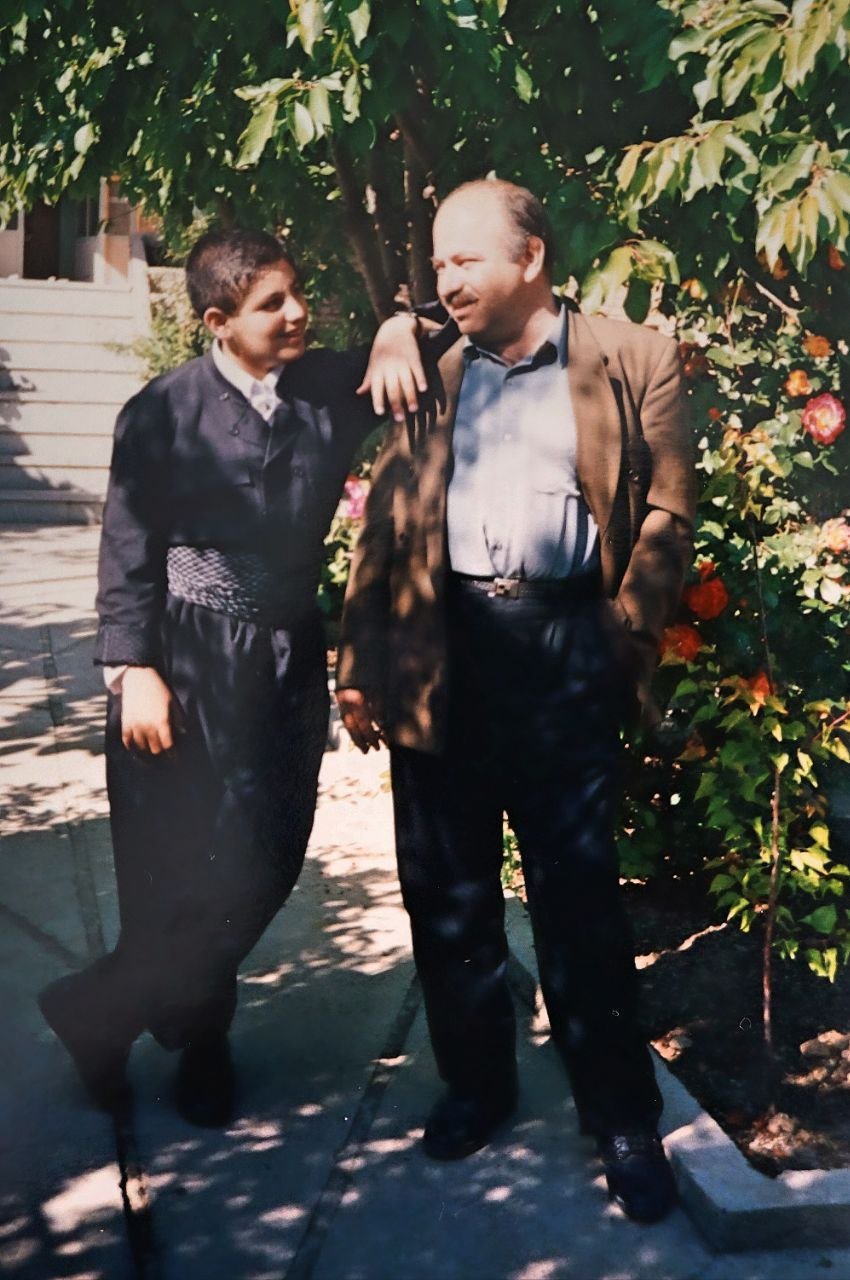
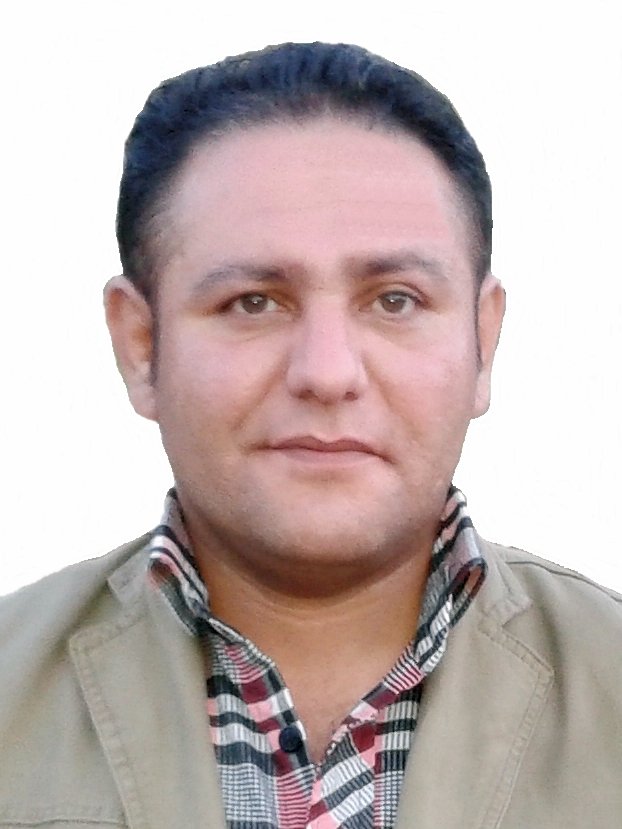
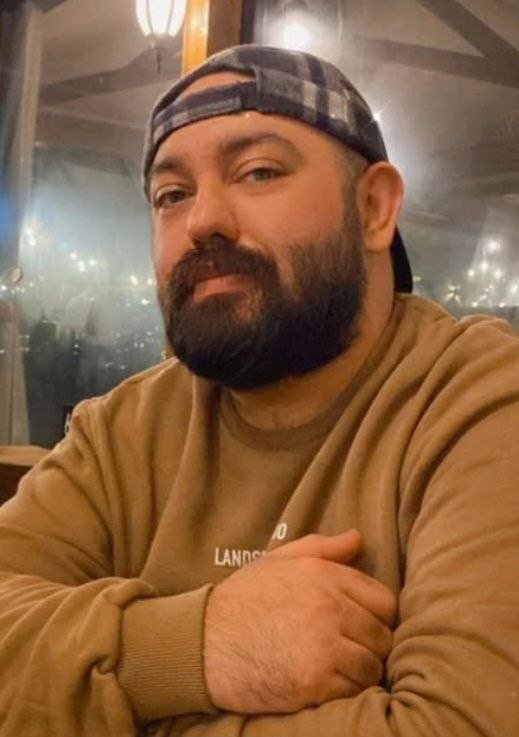
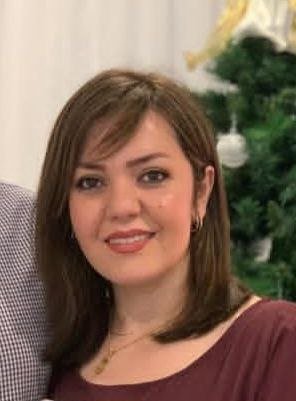
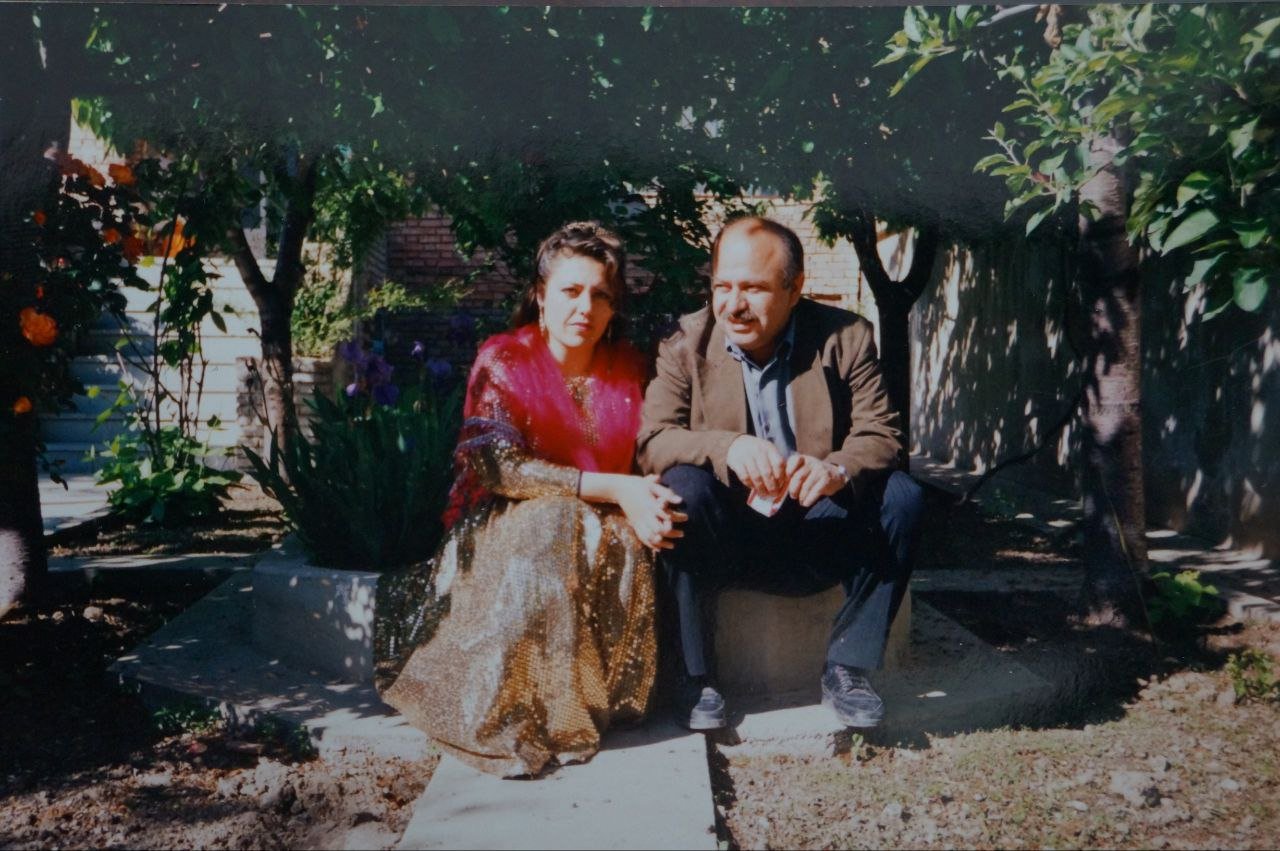
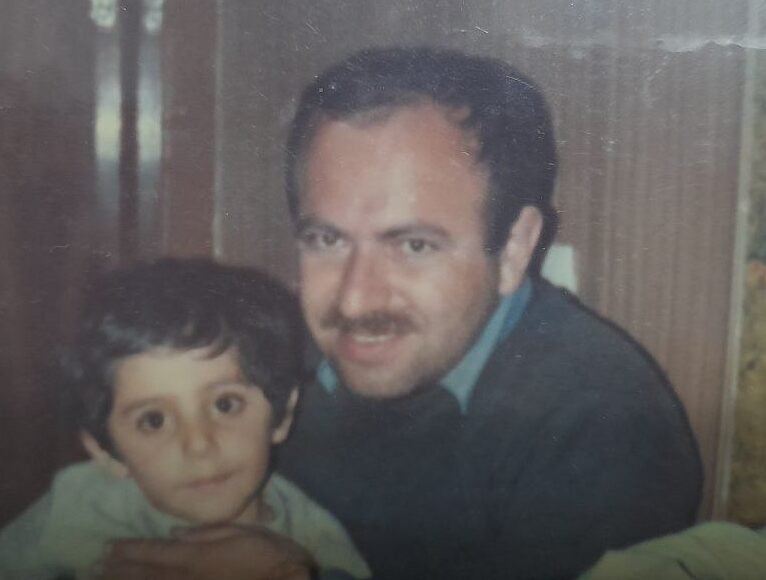
In 1979, he married Gelawij Khanum Seddiqi (daughter of the renowned artist Khalil Seddiqi). Their marriage was blessed with three children—Bafrin, Mohammad Dilshad, and Siamand—who were raised under the care of an artistic father and an educator mother.
Artistic Masterpieces and Service to the Kurdish People
Following his release from prison, Jafar returned to the world of art with renewed vigor. In 1986, he became the head of the Art Department at the Salahaddin Ayubbi Center for Kurdish Culture and Literature in Urmia, serving as the backbone of that institution. His contributions included:
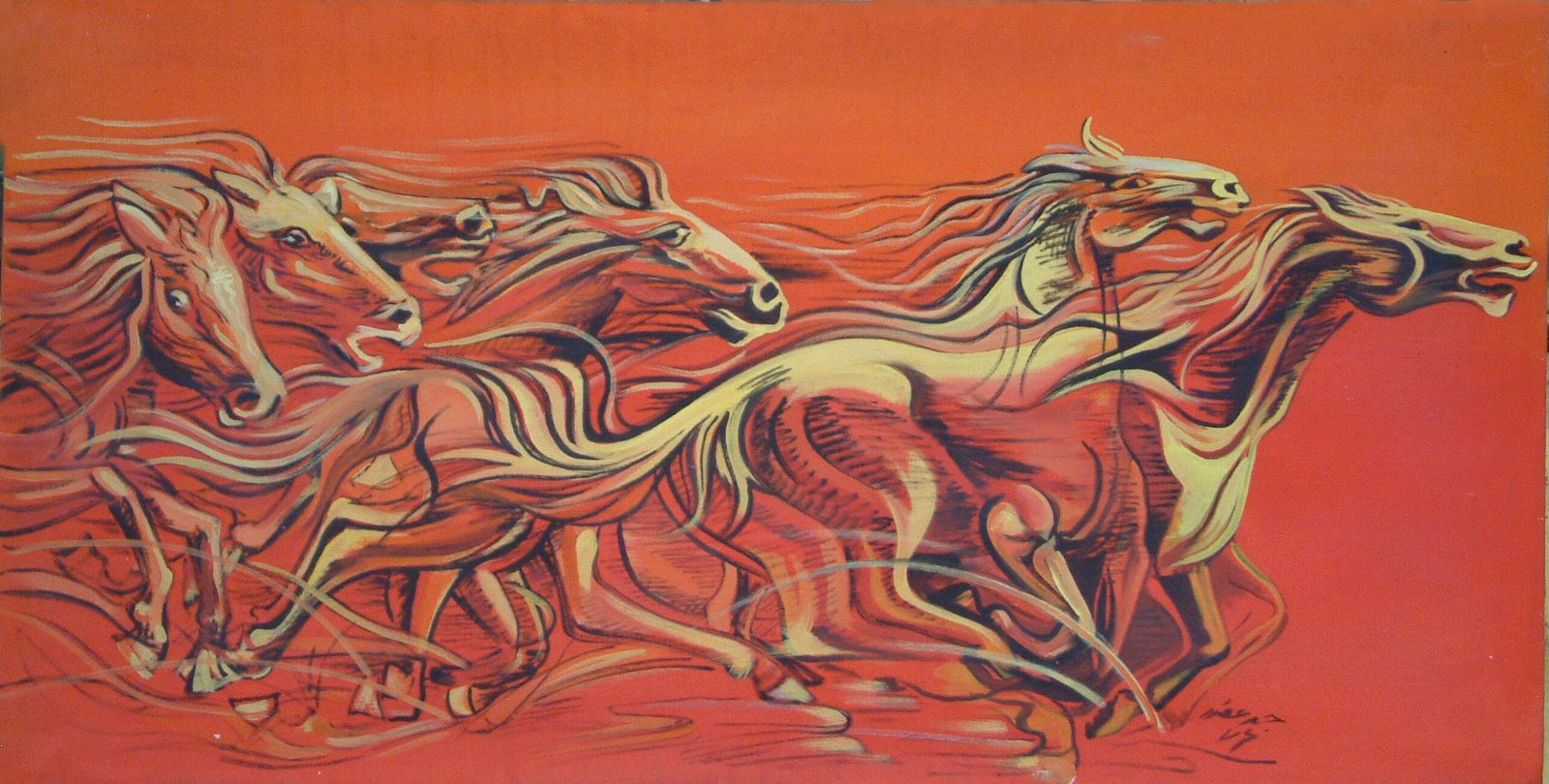
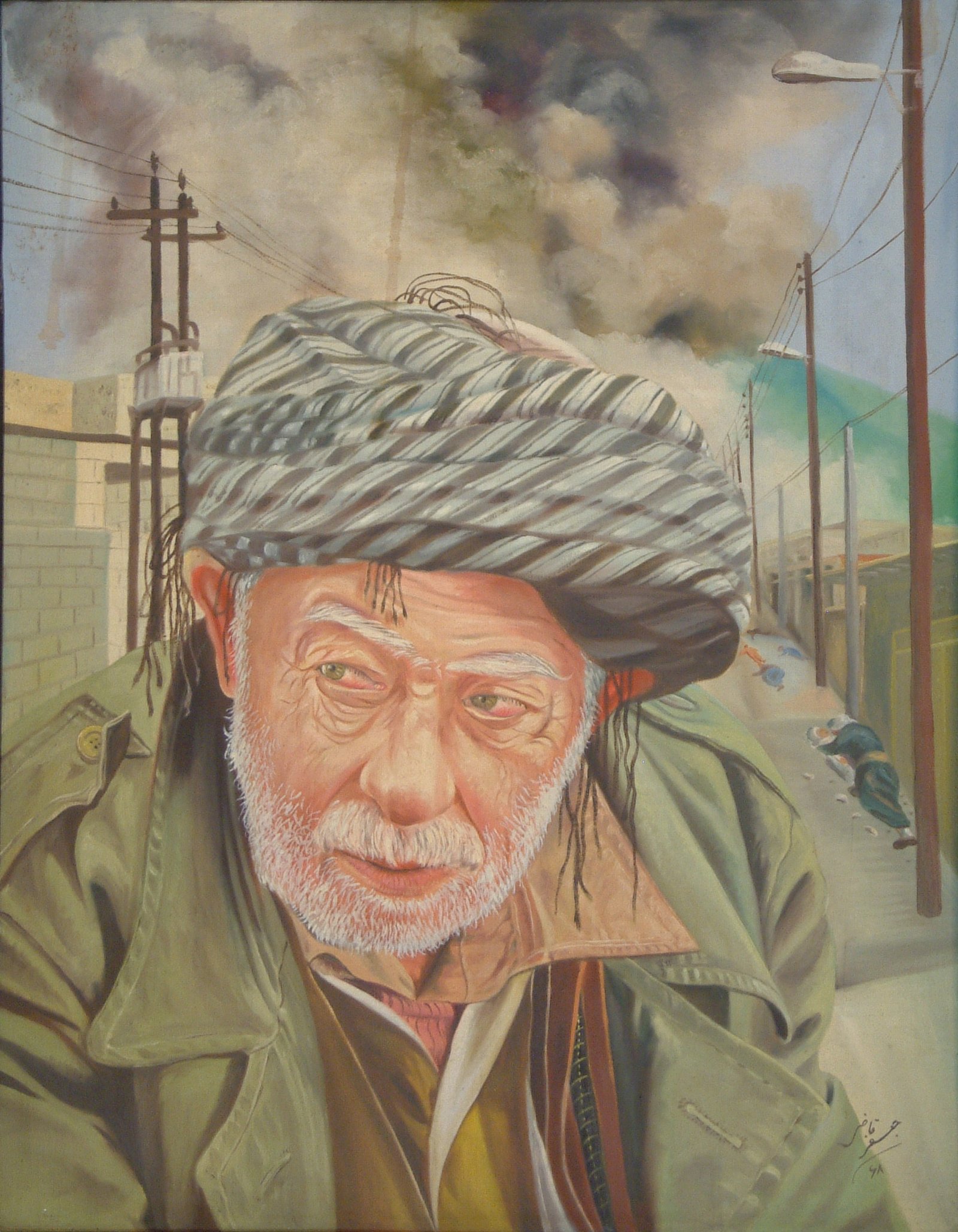
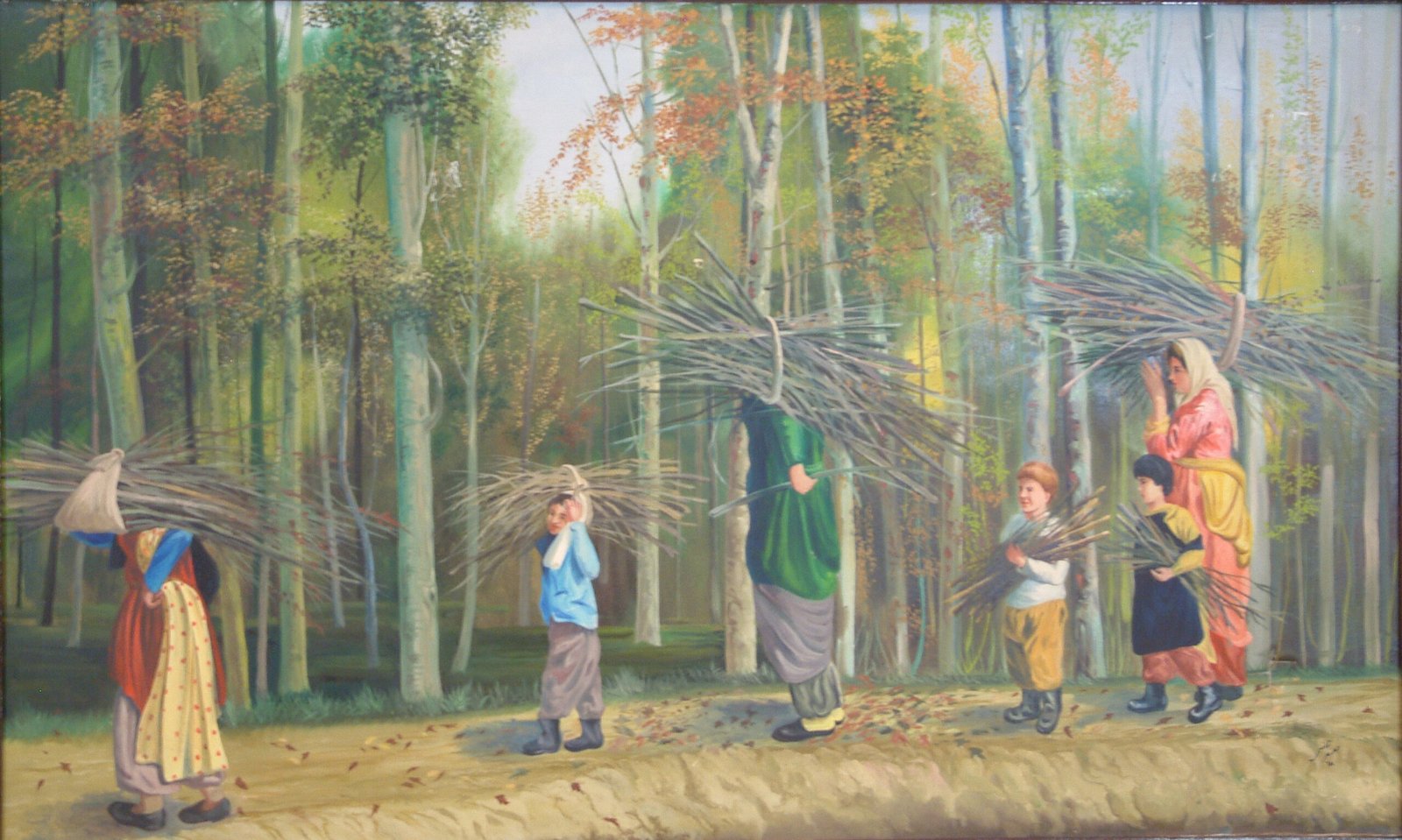
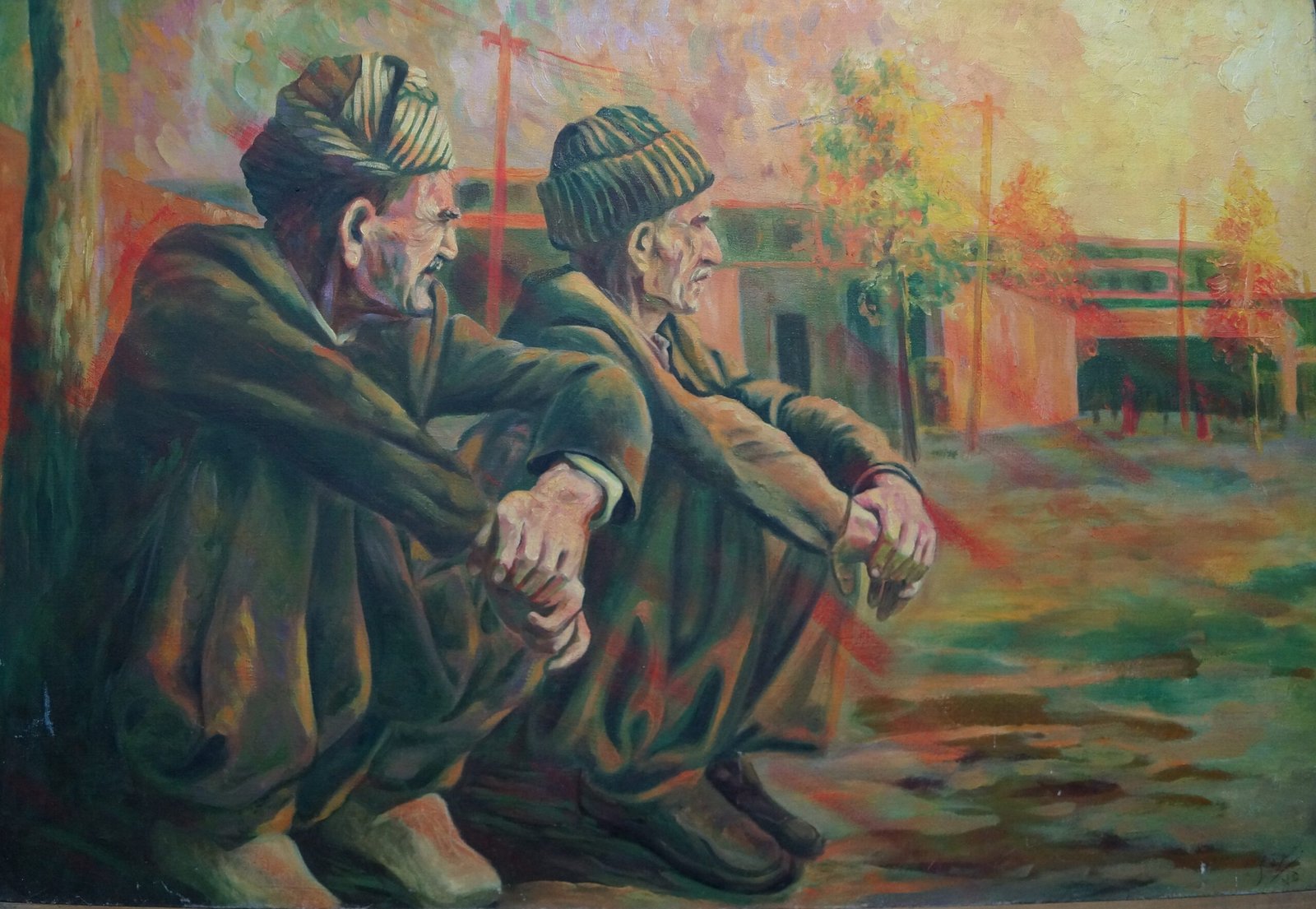
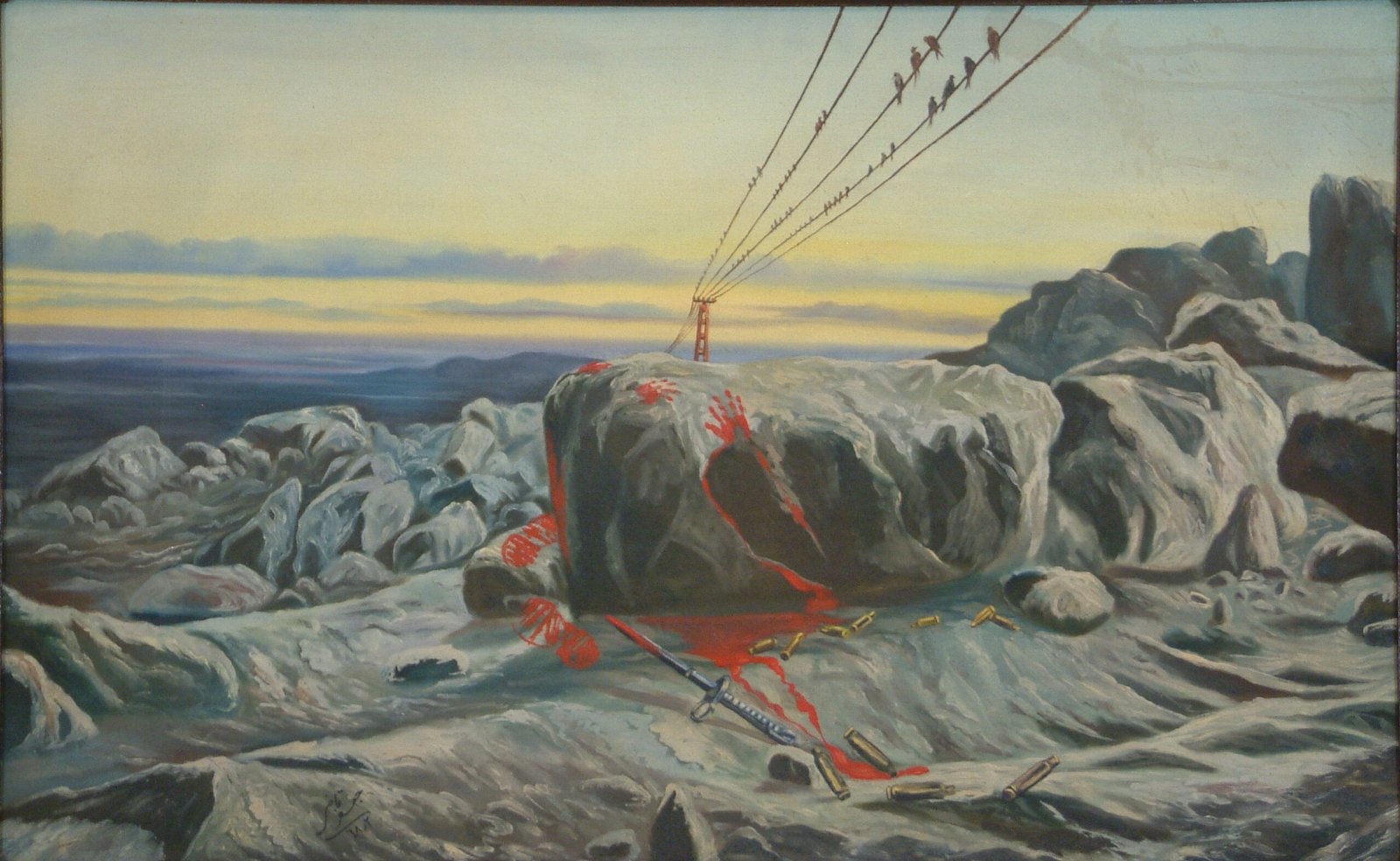
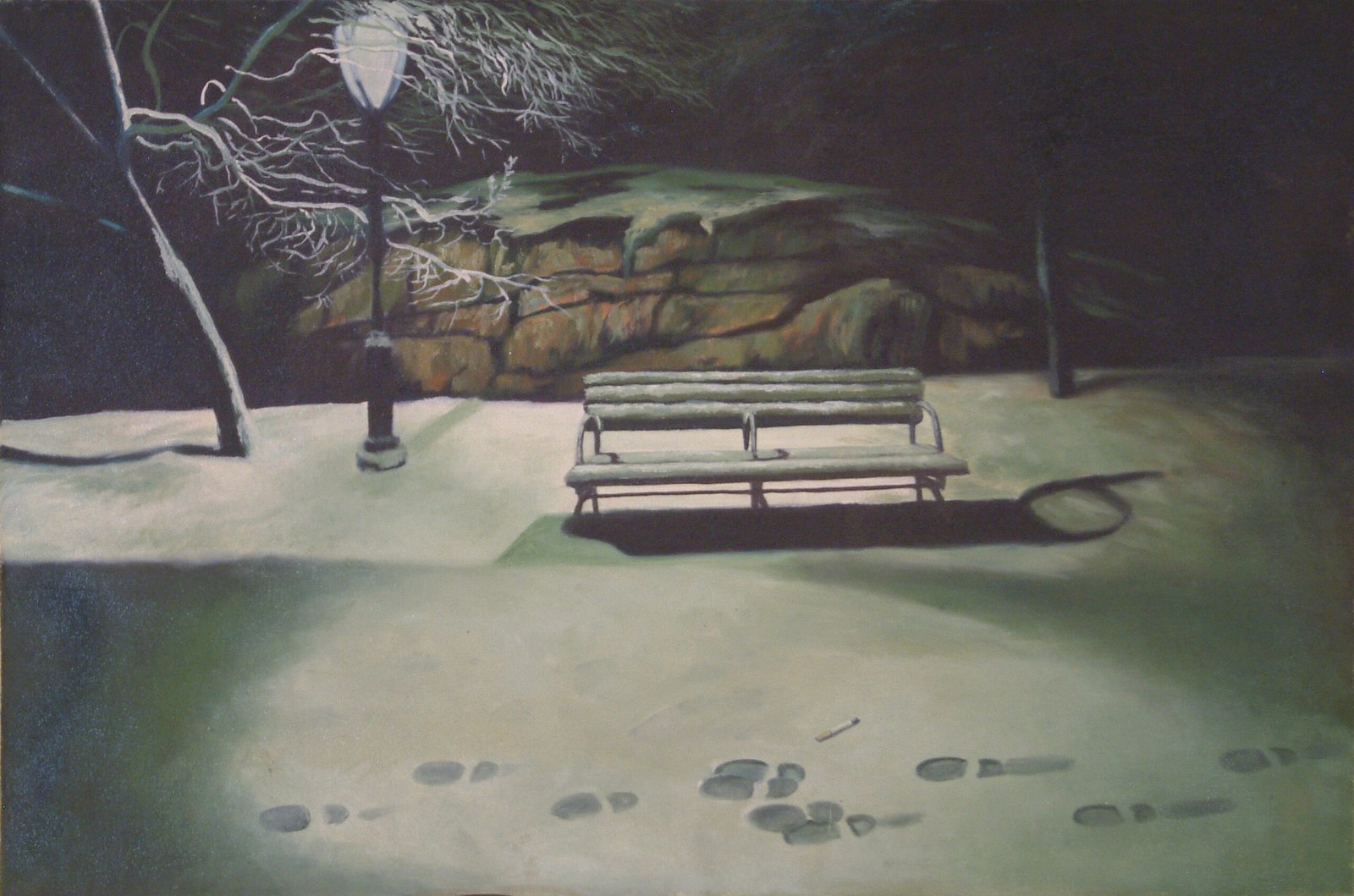
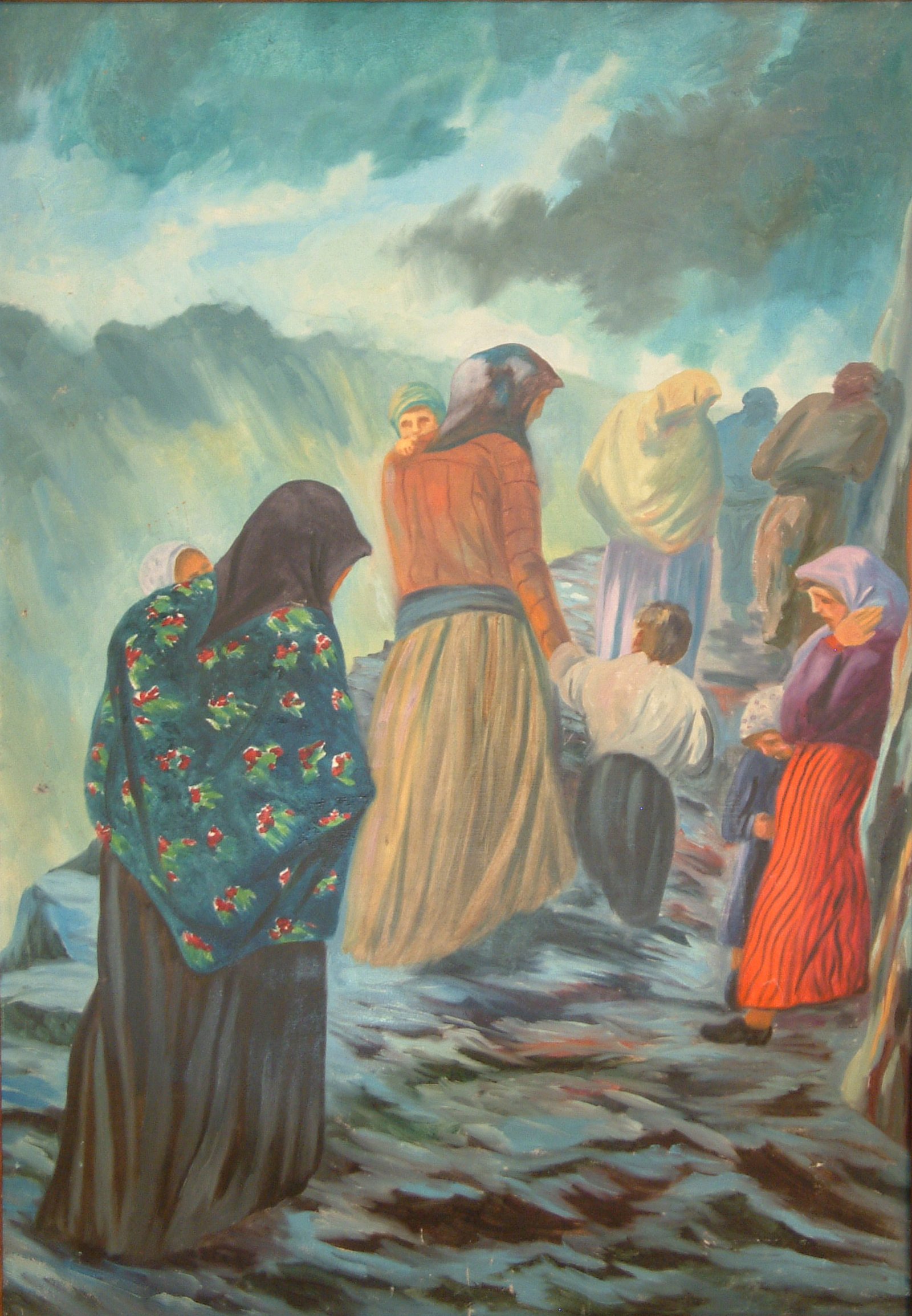
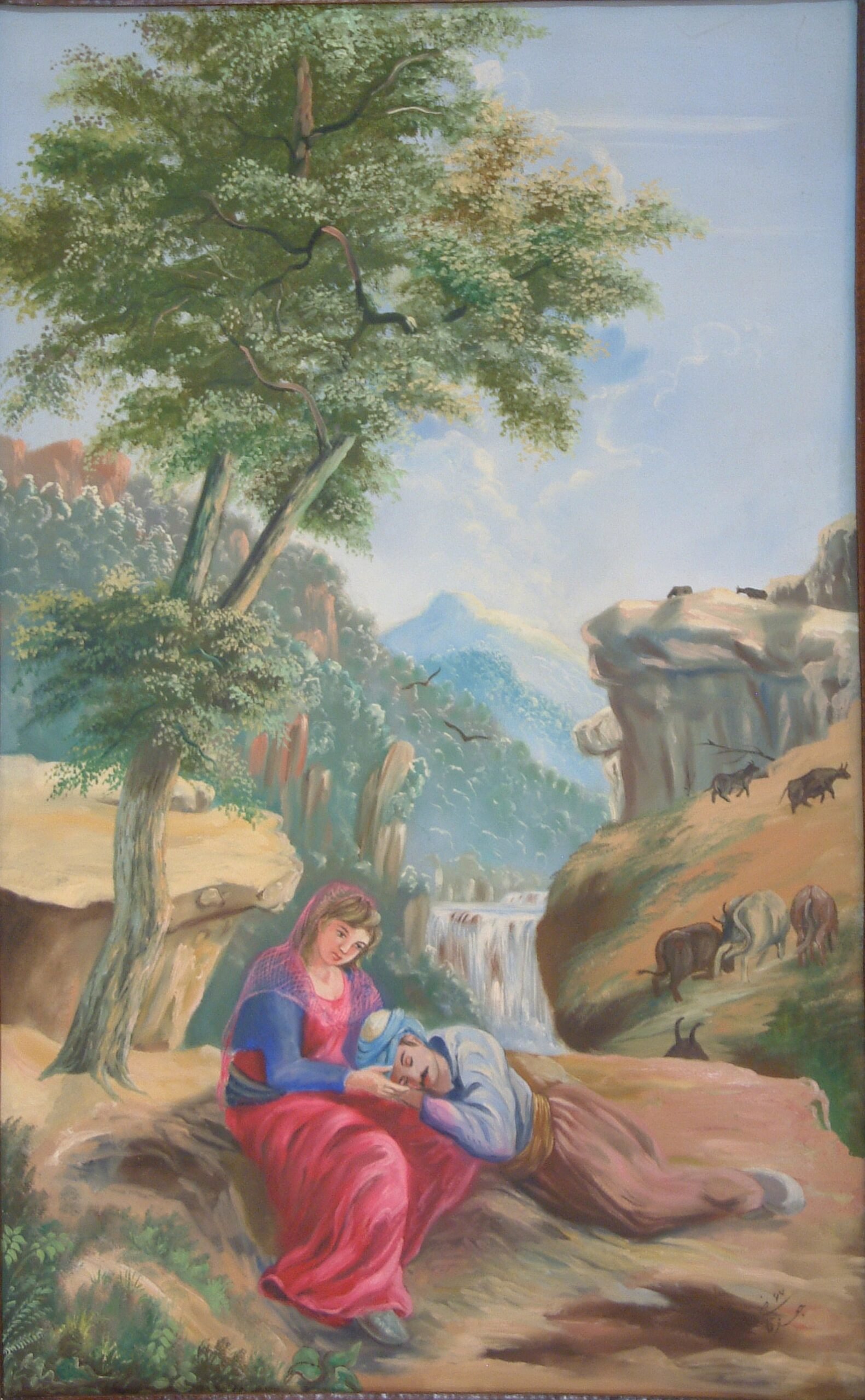
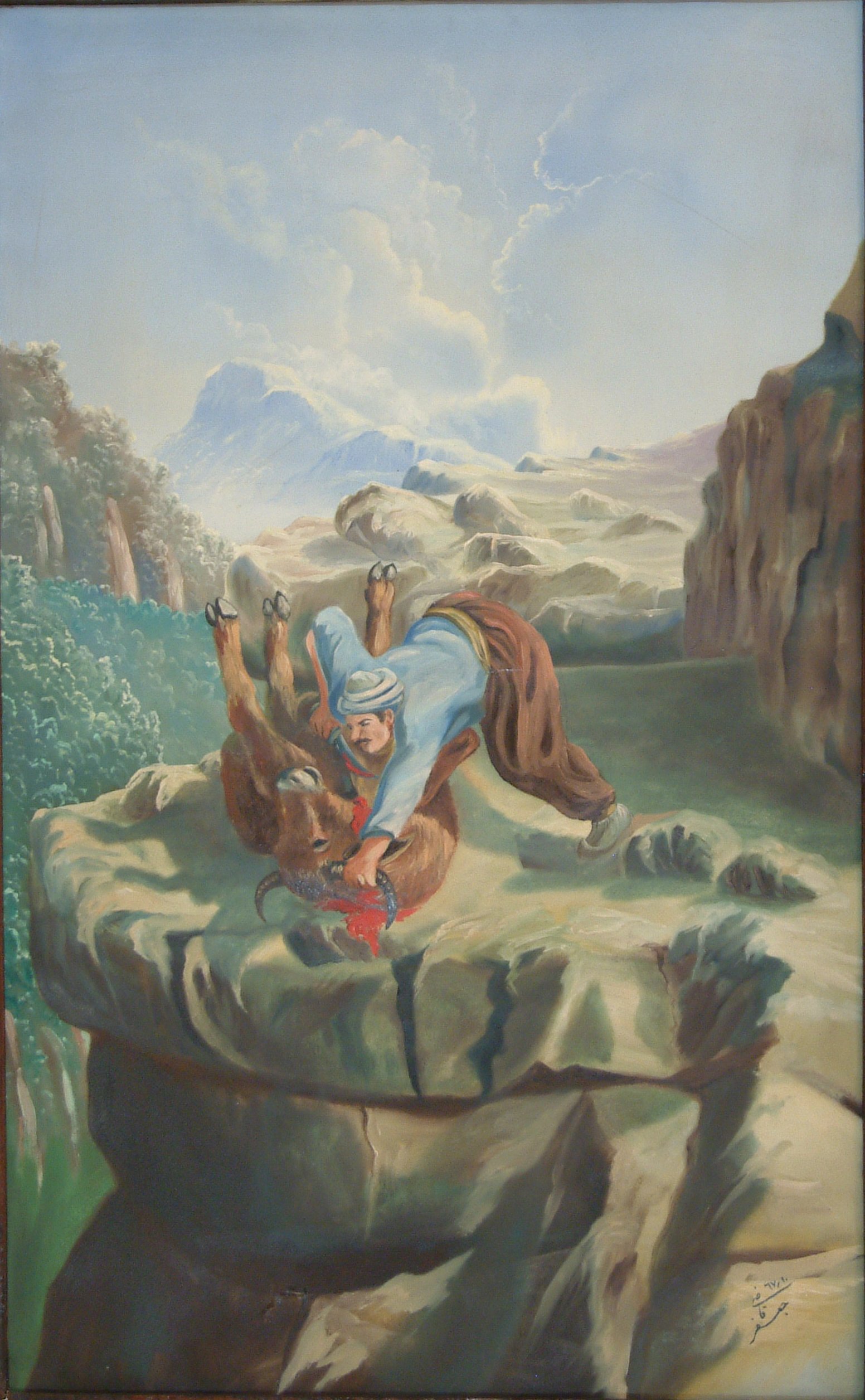
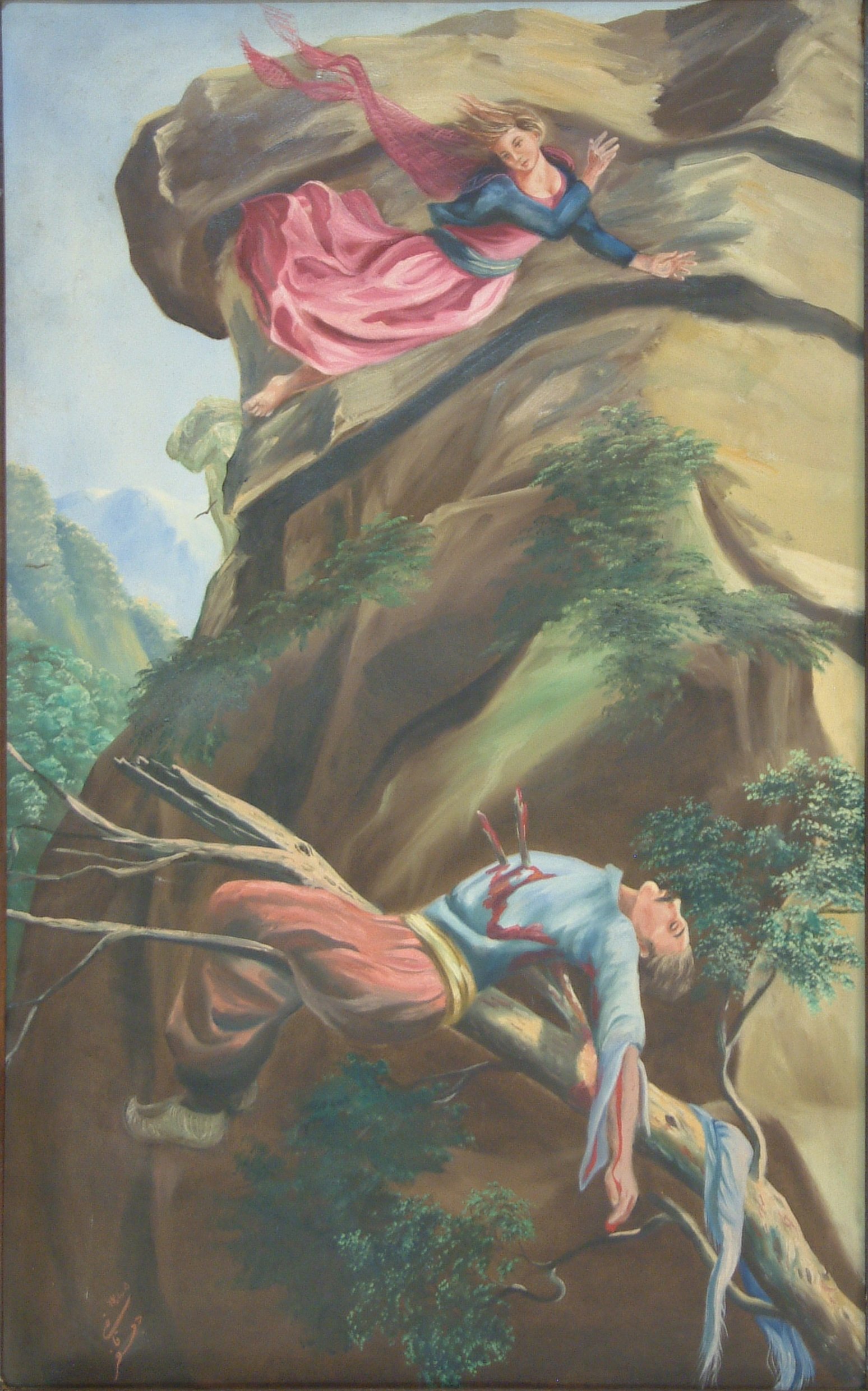
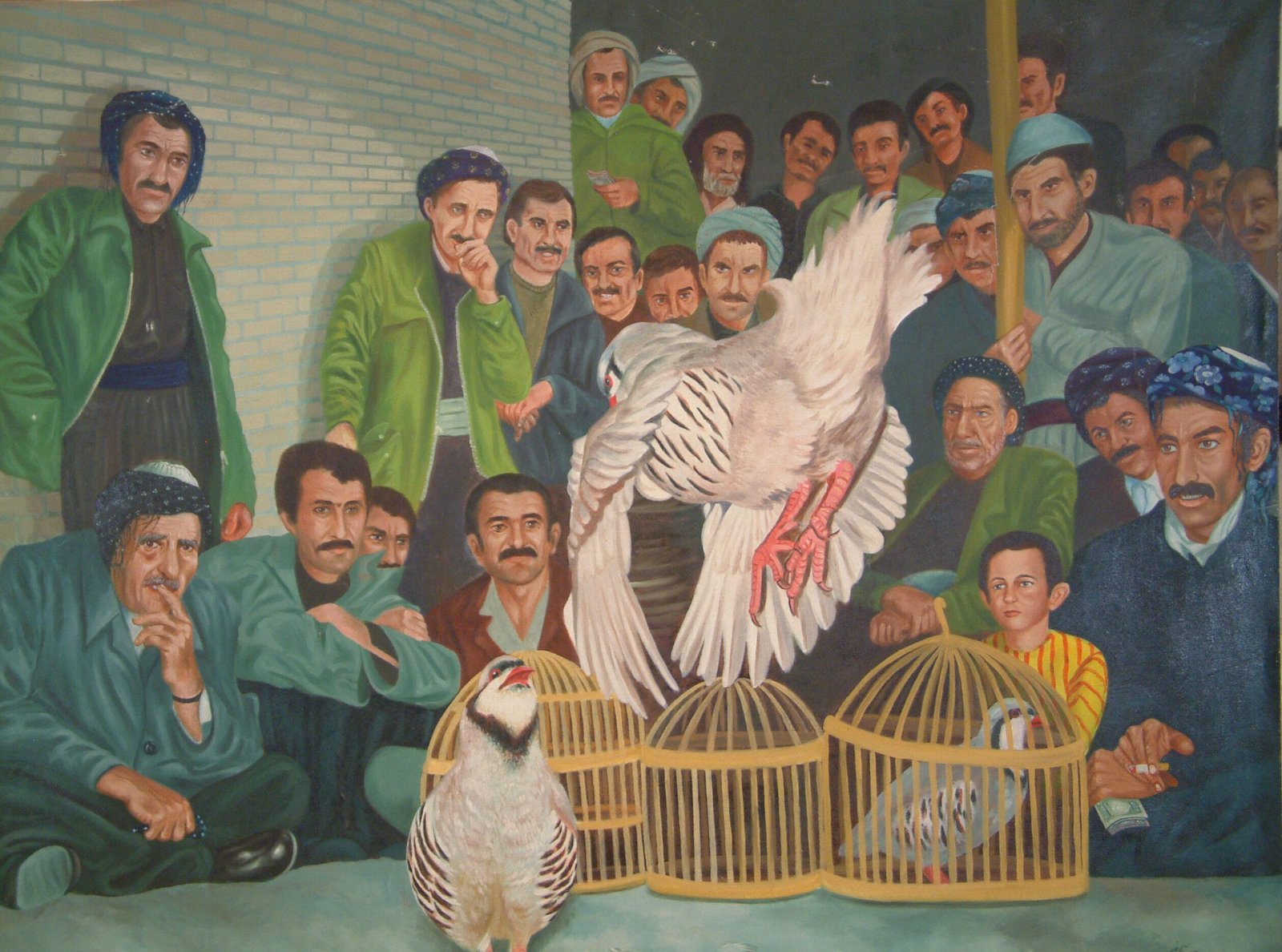
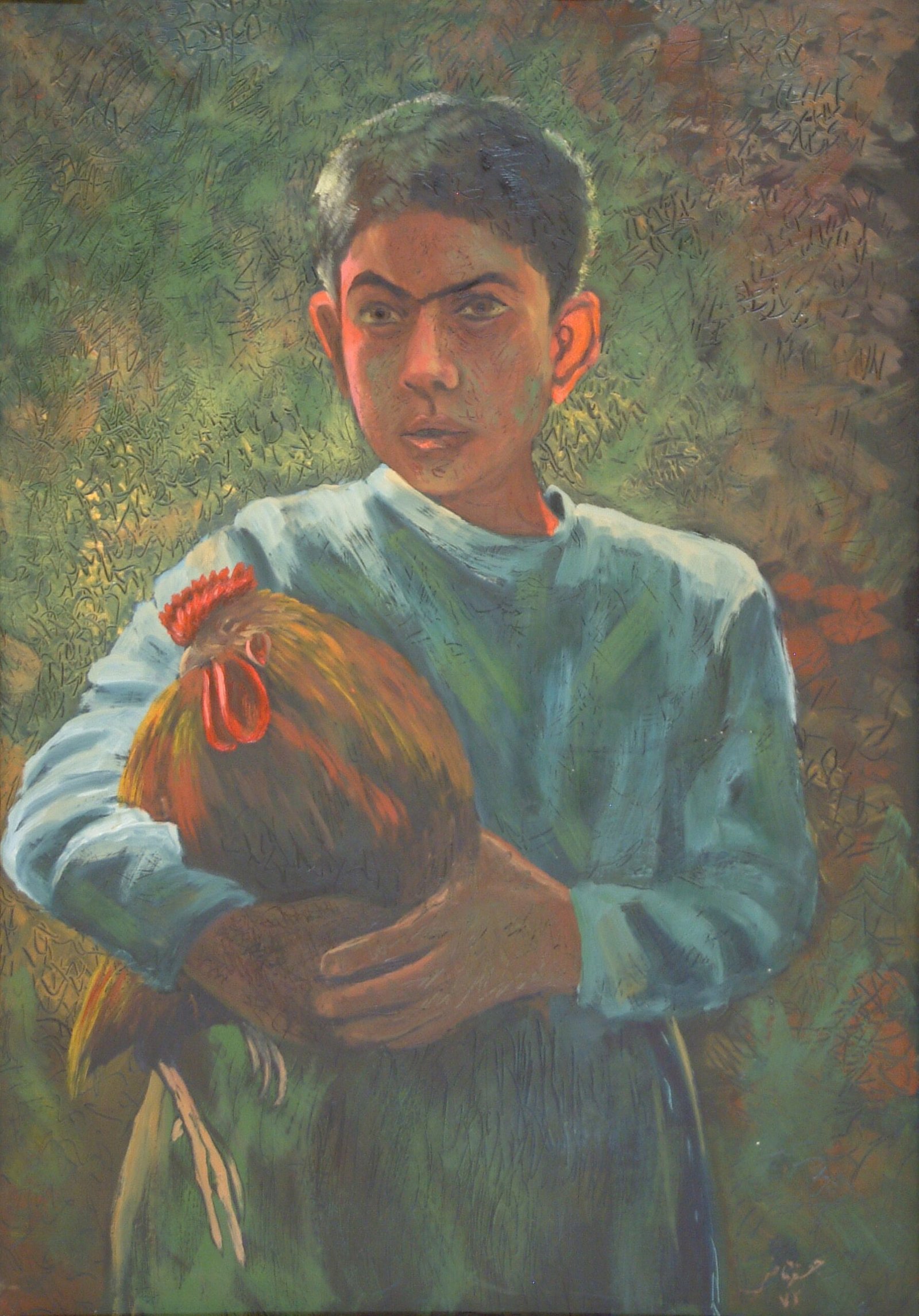
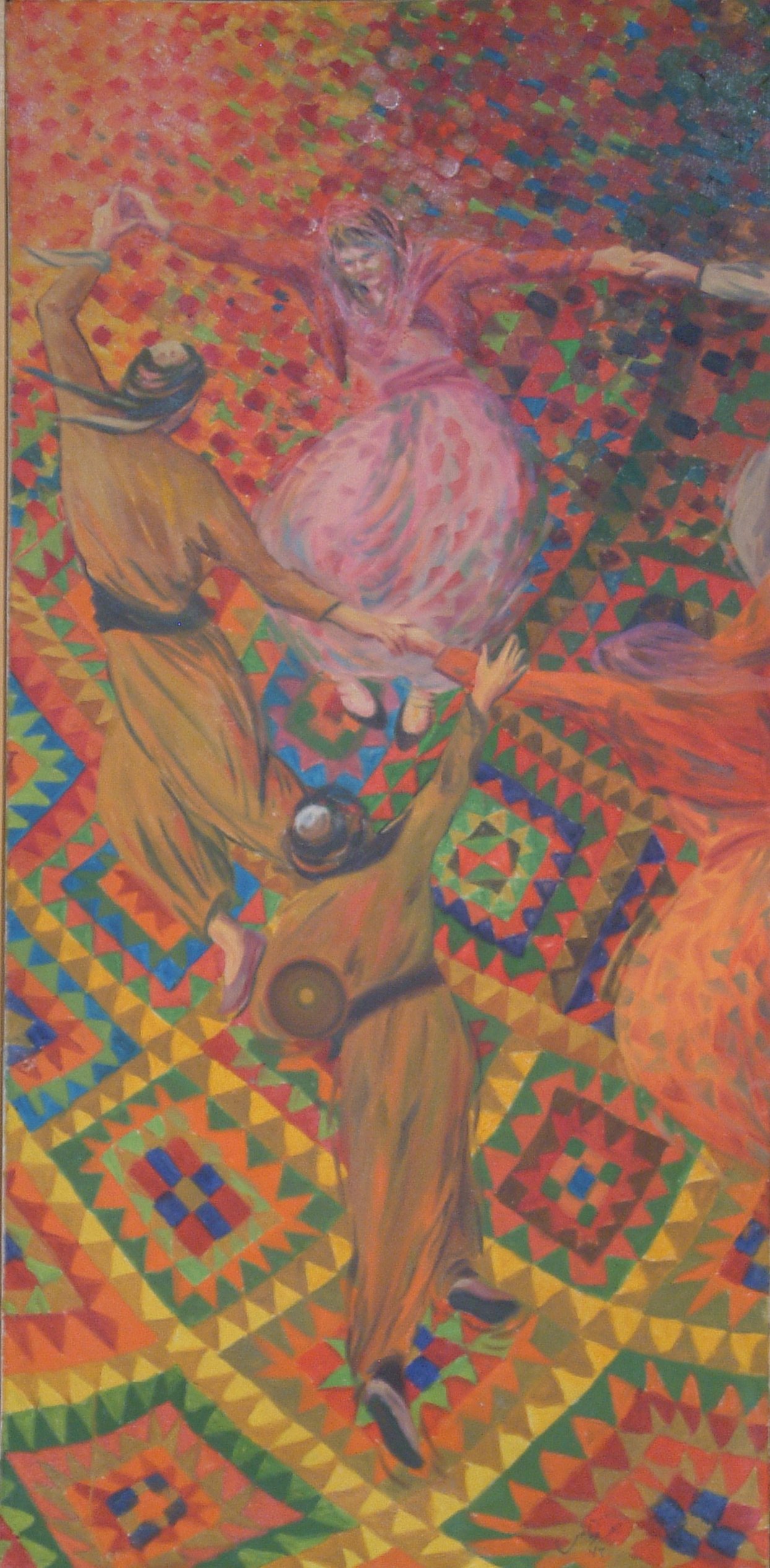
- Painting: He created over 110 valuable paintings focused on Kurdish history, folklore, and the portraits of notable figures. One of his most innovative feats was the visual depiction of Kurdish Beyt and Heyran (folk epics), bringing the tragic lovers of Kurdish legend to life on canvas.
- Graphic Design: He designed the iconic covers for Sirwe magazine and numerous Kurdish books, giving the literature of that era a distinct visual identity.
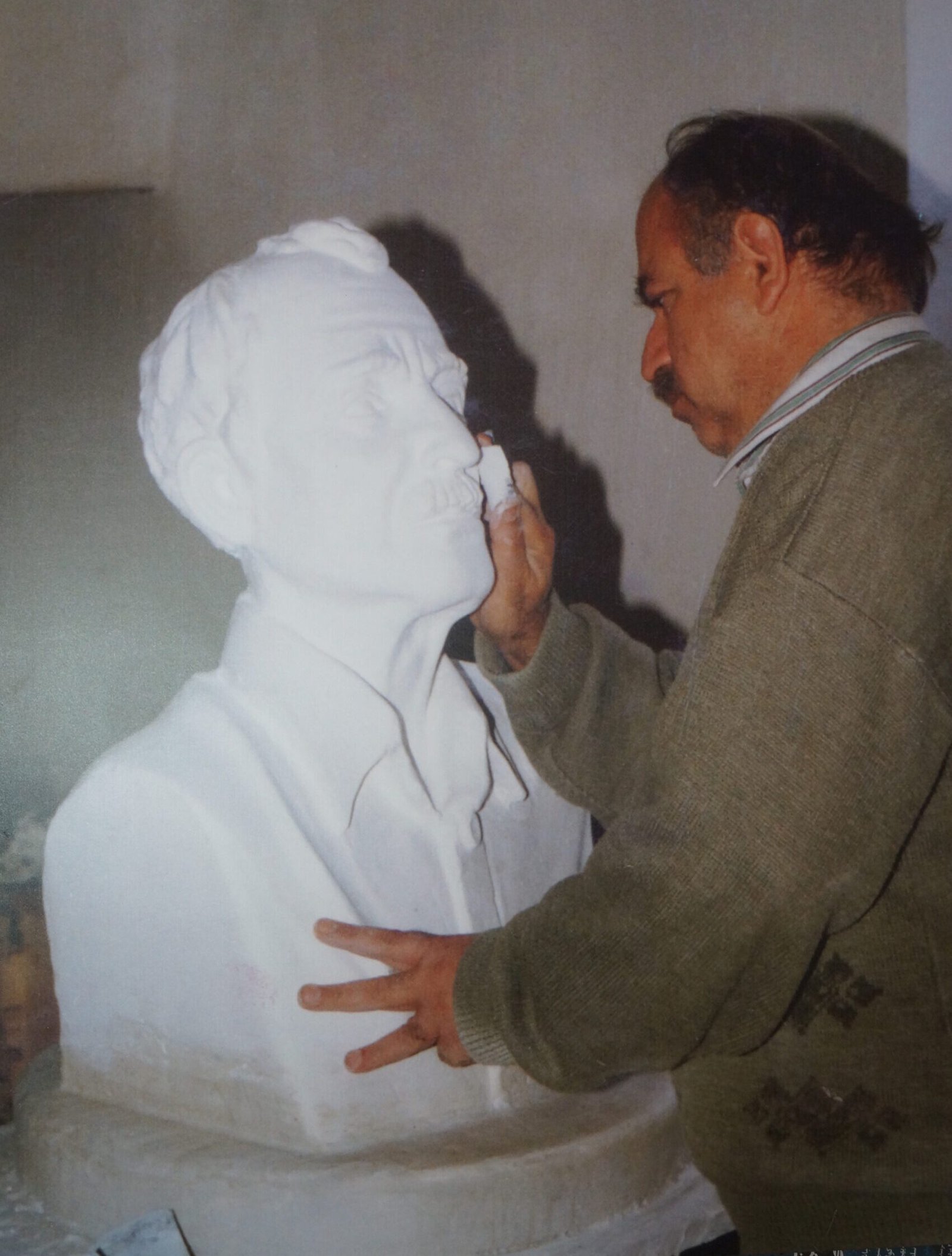
- Sculpture: In his later years, he turned to sculpture, immortalizing the likenesses of Kurdish immortals such as Hemin, Hazhar, and Wafayi in stone and plaster.
- Illumination: He designed the intricate floral borders and layouts for the Holy Quran transcribed by his father, Rahman Qazi.
- Artistic Philosophy Jafar believed that art should not merely be an act of imitation, but must carry a profound human message. He used art as a vehicle for social, cultural, and political expression, believing that through the window of art, humanity could breathe health into its soul.
هەروەها لەو پەیجەدا دەتوانن کارەکانی جەعفەر قازی ببینن
https://www.instagram.com/jafar_ghazii==
He often said:
"Art must become a language for the preservation of national and human authenticity and affection."
Untimely Death
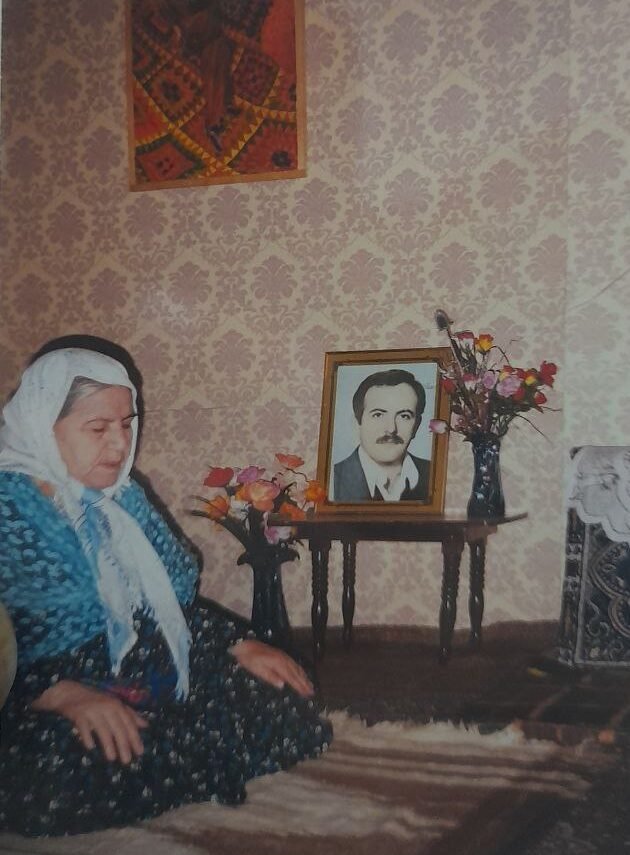
Tragically, on February 19, 1998 (30 Rebandan, 1376 SH), this masterful hand and brilliant mind were lost. At the age of 43, Jafar Qazi passed away in a car accident on the Urmia-Mahabad road. He was laid to rest in the Artists' Section of the Mahabad cemetery. Though he is gone, his colors and canvases remain as glowing lamps in the history of Kurdish art.
Some paintings by Jaafar Ghazi