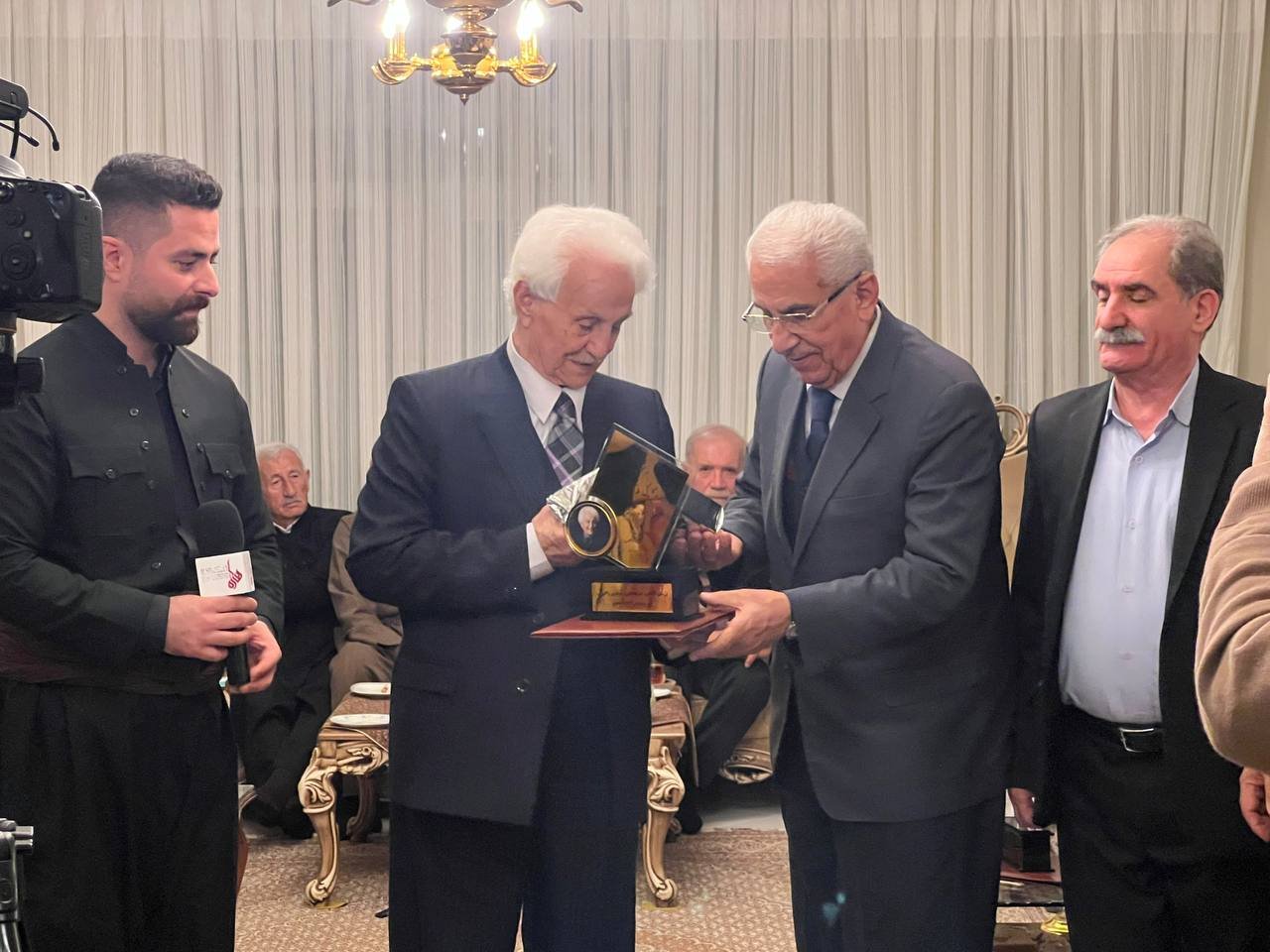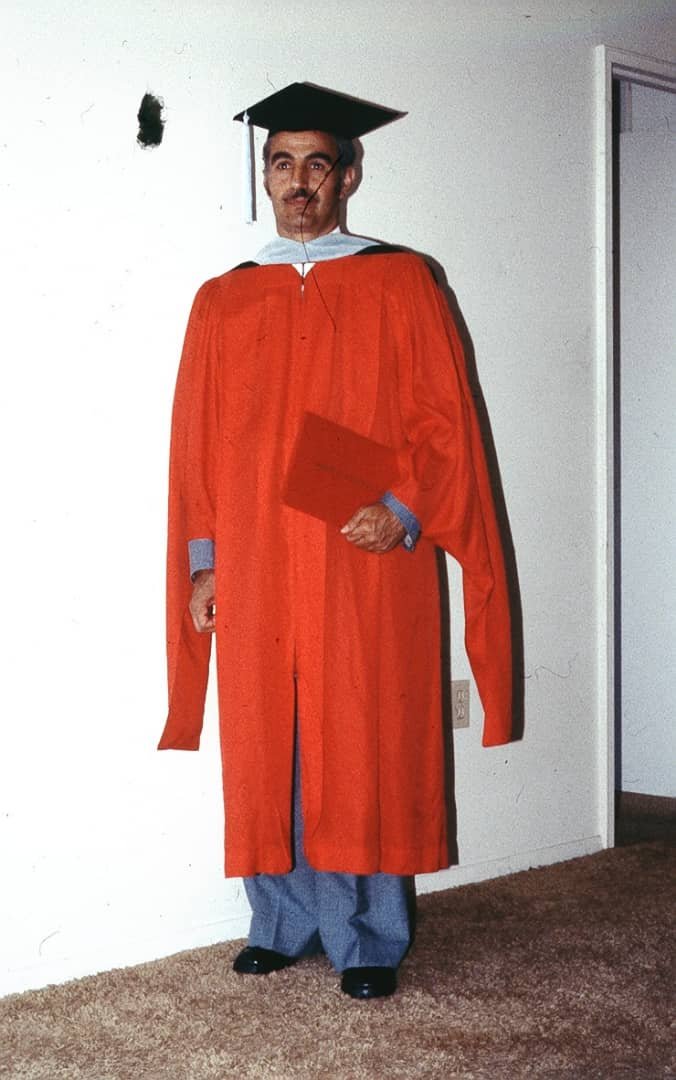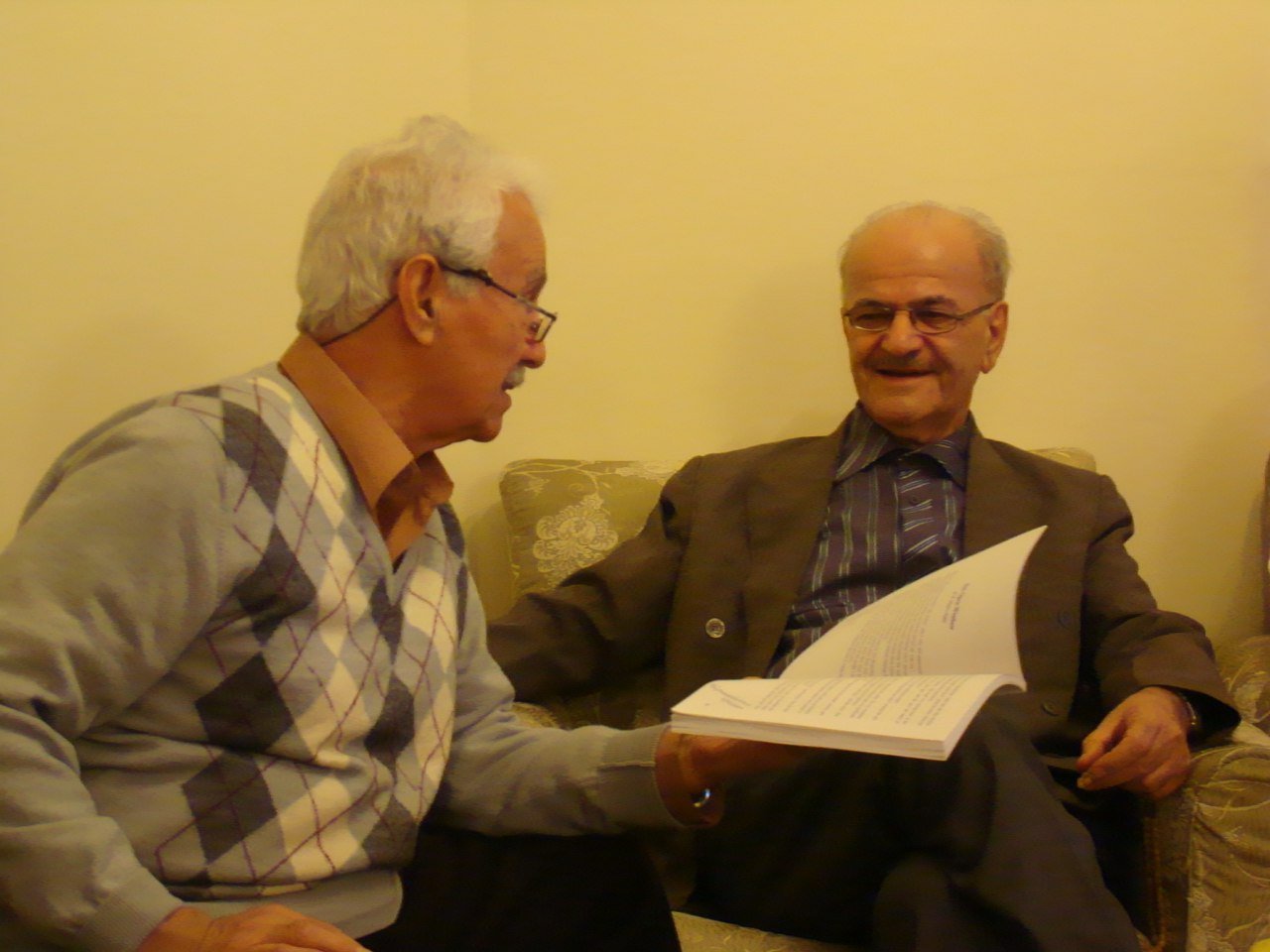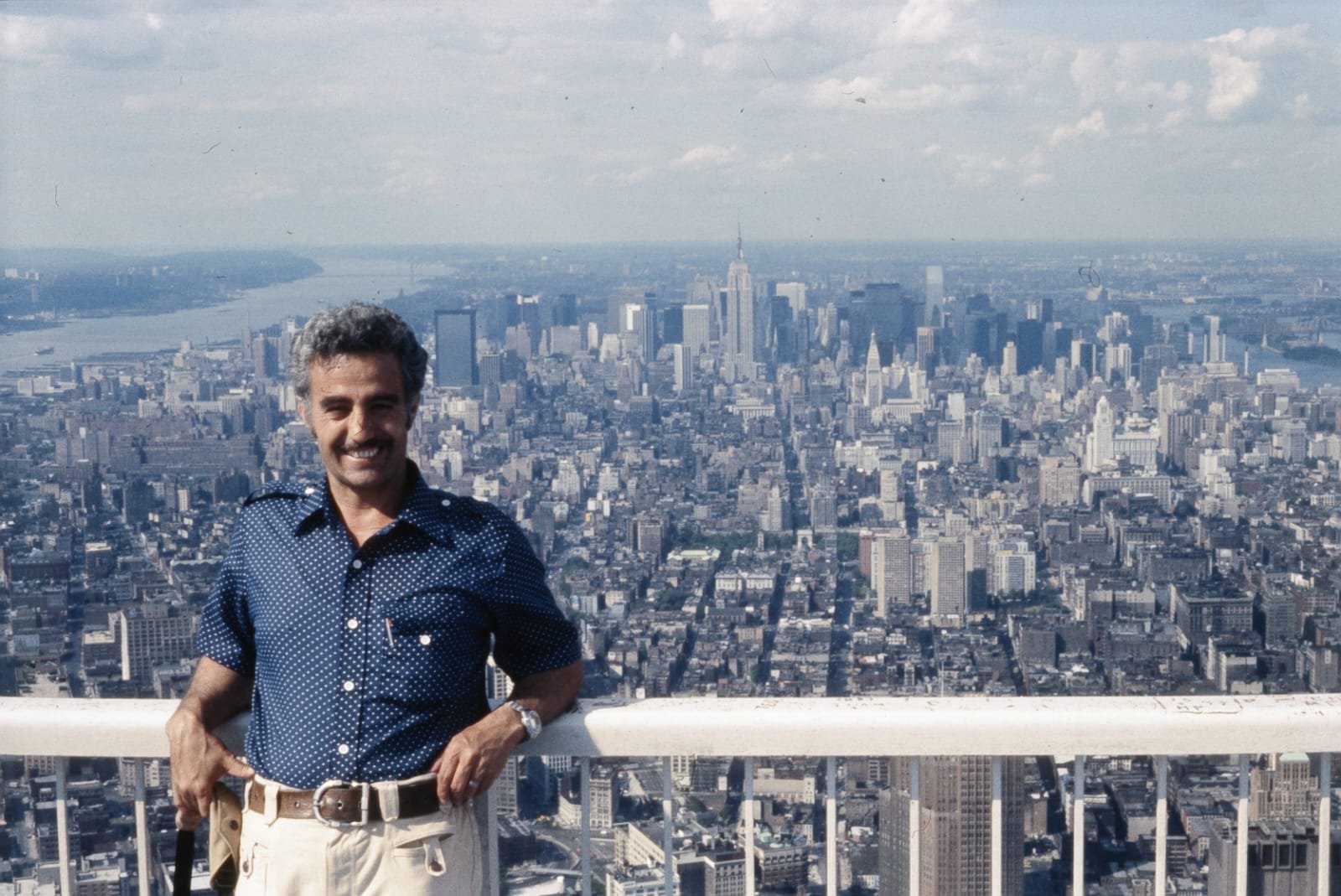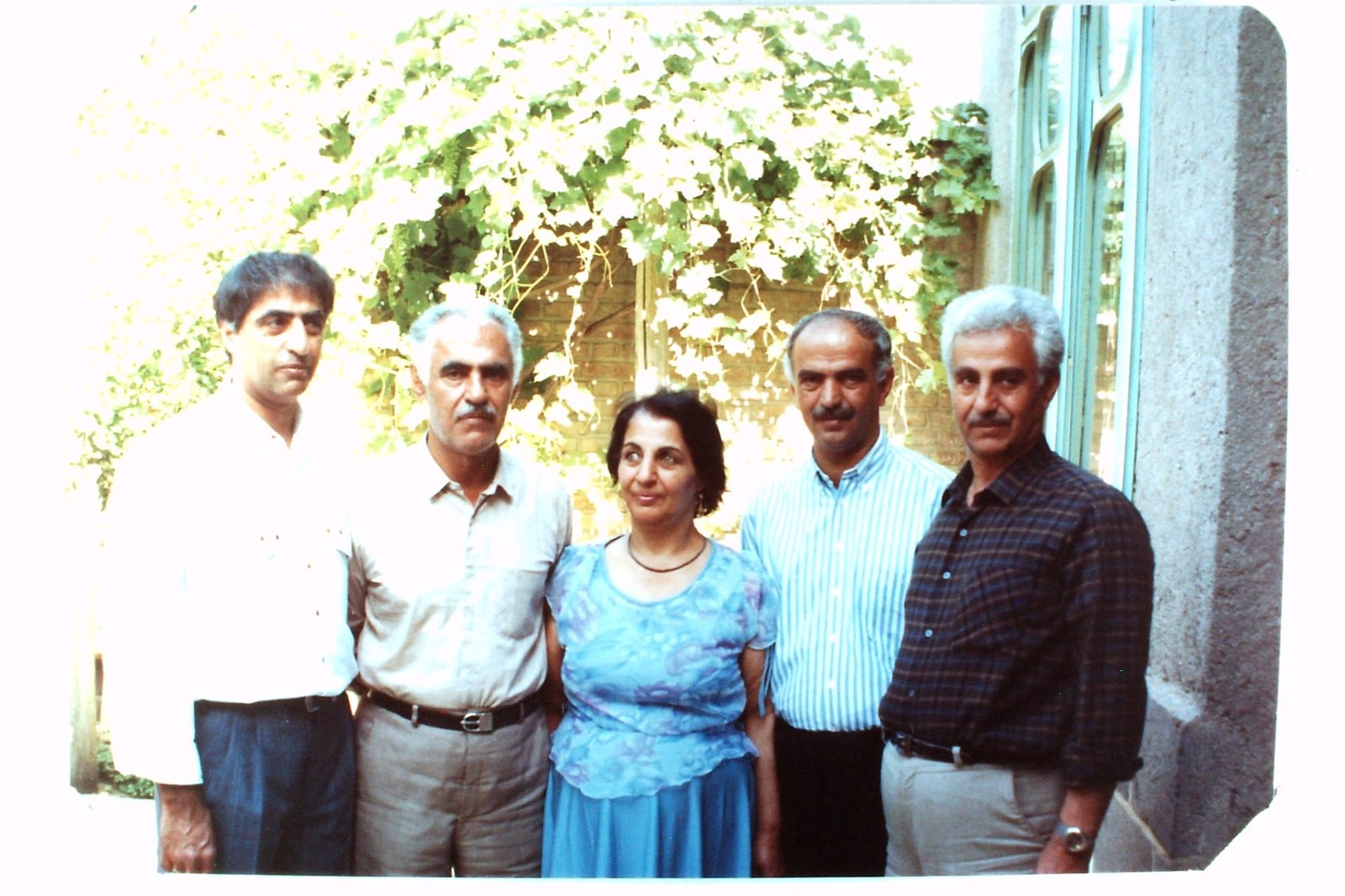
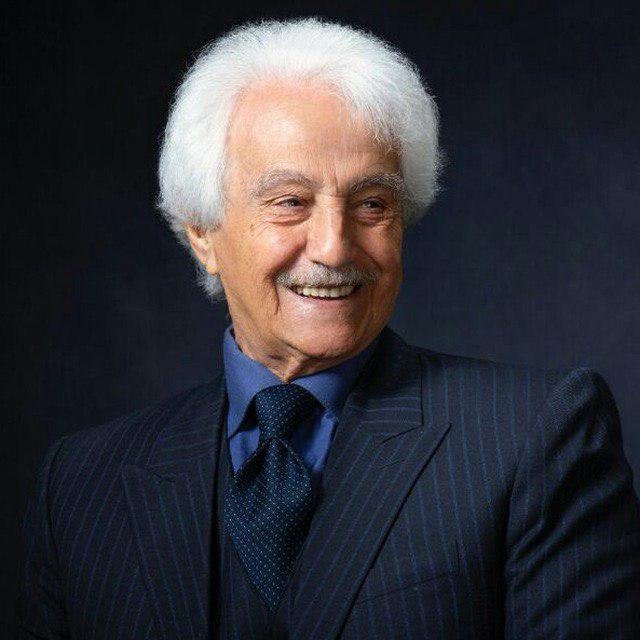
Ismael Fattah Qazi
مامۆستا ئیسماعیل فەتاح قازی لە ڕێکەوتی ١٣١٦/٩/٢٨ی هەتاوی، بەرانبەر ١٩٣٧/١٢/٢٠ی زایینی لە شاری نەغەدە سەر بە ناوچەی سندووس لە پارێزگای ورمێ لەدایک بوو.
بابی “میرزا خەلیل” لە بنەماڵەی ناوداری قازی و دایکی “فاتمە خانمی موفتی” کچی مامۆستا مەلا جەلال ناسراو بە “موعتەمیدولعولەما” بوو. لەسەردەمی لەدایکبوونی ئیسماعیل، میرزا خەلیل فەرمانبەری ئیدارەی دوخانیات بوو و دواتر کارەکەی گواستەوە شارەکەی خۆی واتە مەهاباد و لەوێ نیشتەجێ بوو.
ئیسماعیل خوێندنی سەرەتایی لە مەهاباد و لە خوێندنگەی سەعادەت دەست پێکرد. لە پۆلی سێی سەرەتاییدا بوو کە کۆماری کوردستان دەمەزرا. بە دامەزرانی کۆماری کوردستان، خوێندن لە هەموو خوێندنگەکانی مەڵبەندی ژێر دەسەڵاتی کۆمار بوو بە کوردی، جلوبەرگی یەکسان بەسەر فێرخوازاندا دابەش کرا. بە پێی بیرەوەرییەکانی مامۆستا ئیسماعیل، پێشەوا قازی محەمەد بەردەوام سەردانی خوێندنگەکانی دەکرد و لە نزیکەوە چاودێری بارودۆخی خوێندنی مناڵەکان و کار و بەرپرسیارەتی مامۆستاکانی دەکرد. یەکێک لە ئەرکەکانی ڕاهێنان لەو سەردەمدا، فێر بوون و خوێندنەوەی سرودی نیشتمانی بوو. لە بەشێکی تر لە بیرەوەرییەکانیدا باس لەوە دەکا، ڕۆژێک میرزا خەلیل نامەیەک دەنووسێ و دەیدا بە ئیسماعیل و دەڵێ بیبە بۆ جەنابی پێشەوا. کاتێک ئیسماعیل لە دەفتەری کاری پێشەوا وەژوور دەکەوێ، دەبینێ مامۆستا هەژار لە خزمەت پێشەوا دانیشتووە و سەرقاڵی وتووێژن. پێشەوا بە دیتنی ئیسماعیل خۆشحاڵ دەبێ و دوای وەرگرتنی نامەکە، داوای لێدەکا سرودی نیشتمانی بۆ بخوێنێتەوە. ئیسماعیل بە بێهەڵە و زۆر ڕێکوپێک سرودی “نیشتمانم ڕەنگینە، بەهەشتی سەرزەمینە” دەخوێنێتەوە و لە لایەن هەر دوو کەسایەتی ستایش دەکرێ.
دوای تێکچوونی کۆماری کوردستان، میرزا خەلیل بە تاوانی هاوکاری کردنی کۆمار، بۆ ماوەیەک کەوتە بەندیخانە. مامۆستا ئیسماعیل بیرەوەرییەکی تاڵی لەو سەردەم هەیە و دەڵێ: ڕۆژی دەی خاکەلێوە، کاتێک هەواڵی شەهید بوونی پێشەوا و هاوڕێیانی بڵاو بۆوە، لەگەڵ براگەوەرەکەم واتە کاک قادر، چووینە چوارچرا و لەوێ چاومان بە تەرمی پێشەوا و هاوڕێیانی شەهیدی کەوت. ئەو دیمەنە کاریگەرییەکی گەورەی لەسەر هەستی نیشتمانپەرەوری قادر و ئیسماعیلی مێرمنداڵ دانا.
ئیسماعیل تا پۆلی یەکەمی ناوەندی (پۆلی ۷) لە مەهاباد خوێندی، ساڵی ١٣٣٠ی هەتاوی، کاری باوکی گوازراوە بۆ تەورێز و میرزا خەلیل بەناچار بنەماڵەکەی برد بۆ ئەو شارە و ئیسماعیل لە تەورێز درێژەی بە خوێندن دا. سەرەڕای ئەوەی ژیان لە شارێکی نامۆ و غەریبدا ناخۆشی خۆی هەبوو، بەڵام دەرفەتێکیش بوو بۆ ئەوەی ئیسماعیلی شەیدای فێربوون، لەو شارە گەورەیە، لەگەڵ سینەما، نمایشخانە(تئاترخانە)، کتێبخانەی گەورە و چەندین ناوەندی فەرهەنگی و کەلتوری تر ئاشنا ببێ. لە ساڵی ١٣٣٦ی هەتاوی، لە زانکۆی “زمانی ئینگلیسی و زانستی پەروەردە و ڕاهێنان”ی زانستگەی تەورێز وەرگیرا. دوای تەواو کردنی دەرس، وەک مامۆستای زمانی ئینگلیسی لە خوێندنگەکانی دواناوەندی مەهاباد دامەزرا و گەڕاوە شارەکەی خۆی.
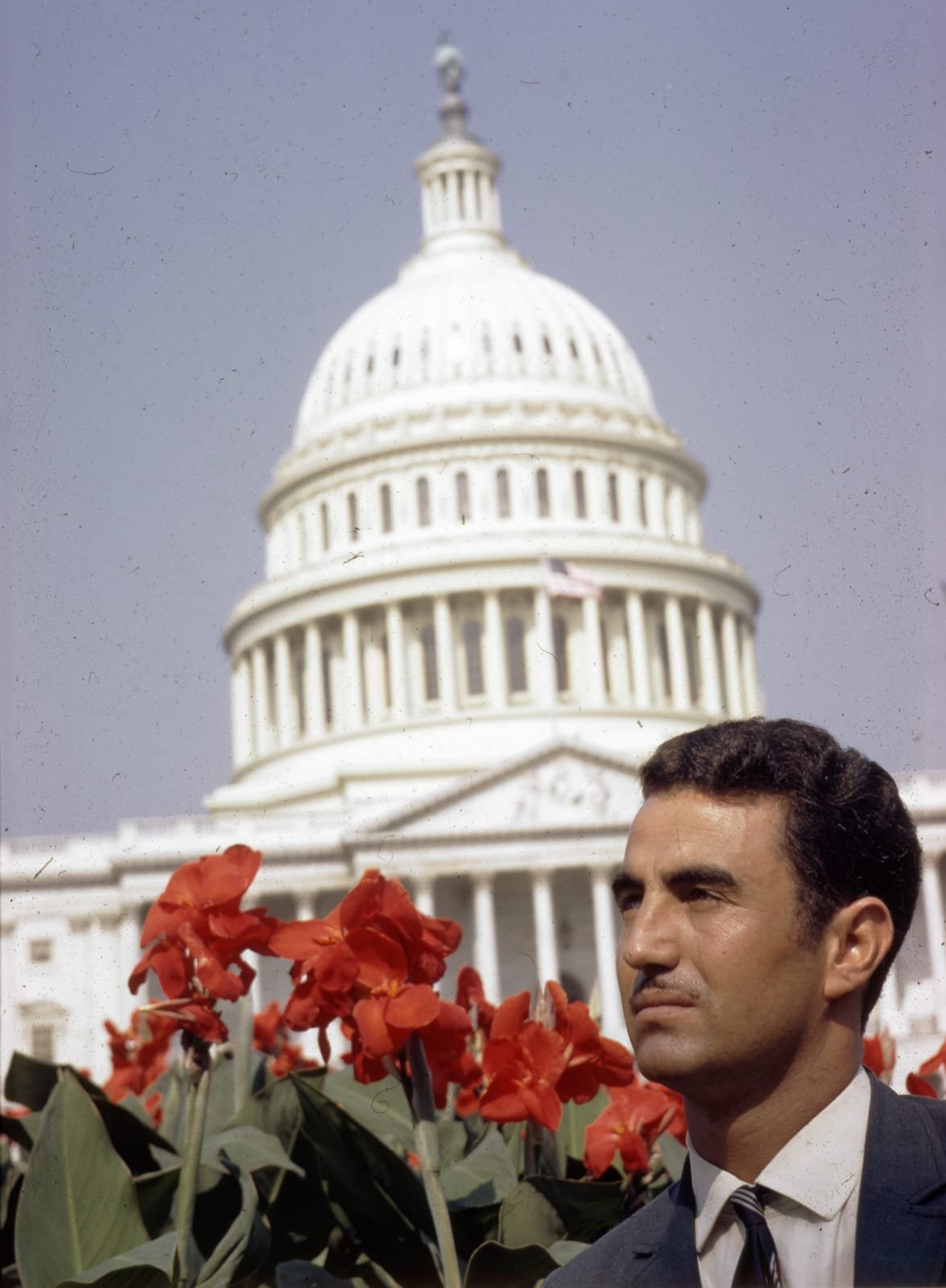
لە ساڵی ١٣٤٦ی هەتاوی، دوو لاوی ئامریکایی بە ناوەکانی “ڕابێرت ئێبرامسۆن”[Robert Ebramson] و “تام ڕێکس”[Tom Ricks] لەگەڵ (سپای ئاشتی) لە لایەن دەوڵەتی ئامریکا ڕا هاتن بۆ مەهاباد. سپای ئاشتی پێکهاتبوو لەم لاوانەی کە لەبری سەربازی، خۆبەخشانە دەهاتنە وڵاتانی دواکەوتوو و لە بوارە جۆراوجۆرەکانەوە خزمەتی خەڵکی ئەو وڵاتانەیان دەکرد. ڕابێرت و تام هەوڵیان دا لە بواری فێرکاریی زمانی ئینگلیسی لە مەهاباد کار بکەن. هەر بۆیە لەگەڵ مامۆستا ئیسماعیل ئاشنا بوون و پەیوەندییەکی گەرم لە نێوانیاندا پێکهات. دوای ئەوەی زۆری یارمەتی دان تا لە ئەرکەکانیان سەرکەوتوو بن، ئەوانیش ڕێنوێنیان کرد تا ئیسماعیل لە تاقیکارییەکی تایبەت بە زمانی ئینگلیسی بەشداری بکا، دوای دەرچوونی لەم تاقیکارییە، لە لایەن دەوڵەتی ئامریکاوە نێردرا بۆ زانستگەی میشیگان تا لە بواری شێوازی وانەگوتنی زمانی ئینگلیسی درێژە بە خوێندن بدا. دوای سەرکەوتنی لە قۆناغەکانی خوێندن لە ئامریکا، گەڕاوە مەهاباد و بە زانست و ئەزمونێکی گەورەتر درێژەی بە خزمەت کردن دا.
دوای سەرکوتکردنی بزوتنەوەی سیاسی ساڵی ١٣٤٦ی هەتاوی کورد لە لایەن حکومەتی پەهلەوی، ساواک بڕیاری دا بەشێک لە مامۆستایانی کورد لە کوردستان دوور بخاتەوە. بەم بۆنەوە لە ساڵانی ١٣٤٨ و ١٣٤٩ی هەتاوی، بەشێک لە مامۆستایانی کورد کە بە نیشتمانپەروەری و دڵسۆزی ناویان دەرکردبوو بۆ شارە جیاوازەکانی ئێران بەڕێ کران.
مامۆستا ئیسماعیل دوور خراوە بۆ شاری قەزوین بەڵام بە هۆی پێداگری و بەدواداچوونی خۆی، گوازراوە بۆ تاران. تاران مەیدانێکی بەرفراوانتر بوو بۆ کار و چالاکی و خوێندن و فێرکردن. هەروەها بەشێک لە خزم و ناسیاوەکانیش نیشتەجێی ئەم شارە بوون و خەمی دوورە وڵاتی کەمتر هەست پێدەکرا.
Master Ismael was exiled to the city of Qazvin, but through his own persistence and follow-up, he was transferred to Tehran. Tehran provided a broader field for work, activity, study, and teaching. Additionally, some of his relatives and acquaintances resided in this city, making the sorrow of exile less felt. In the summer of 1351 Solar Hijri, Master Ismael married Sakineh Khanum Ayazi, the daughter of Kak Muhammad and Seyedzadeh Khadijeh Khanum. Kak Muhammad was originally from Mahabad and a government employee, but due to his job, they lived in Tabriz. Master Ismael's wedding ceremony was unique for its time; the participation of well-known Kurdish artists such as Master Mohammad Mamle and Mullah Hussein Abdulzadeh heated and adorned the gathering of relatives and guests for five days and nights at his father's home in Tabriz. The fruit of Master Ismael and Sakineh Khanum's shared life is two sons named 'Samrand' [born 1352] and 'Salar' [born 1354 Solar Hijri]. In the year 1354 Solar Hijri, the master returned to Mahabad. In 1357, several education teachers were sent to America by the Ministry of Education of the time for a one-year training course, Master Ismael being one of them. After a year and a half, the master returned home after obtaining a Master's degree, but due to the fall of the Pahlavi government and the disruption of educational plans, the promise of becoming the head of Education and Training in Mahabad was not fulfilled, and he returned to his previous job. The master's return coincided with the beginning of the Kurdish movement and revival in Eastern Kurdistan (Rojhelat). Due to the failure of Kurdish political parties to reach an agreement with the new Iranian government, namely the Islamic Republic, it did not take long before war and confrontation broke out across Kurdistan. Master Ismael, being a meticulous and vigilant person, closely observed the escalation of war, government force attacks, and clashes, writing these events in his memoirs, which have not yet been published. In the year 1361 Solar Hijri, the master transferred his job to Tabriz and began teaching English language at two universities (Islamic Azad and Allameh Amini). In 1374 Solar Hijri, he officially retired, but due to high demand from the Ministry of Higher Education, as well as the master's passion and love for teaching, he continued his work. In 1375 Solar Hijri, he returned to Mahabad permanently and resumed his work at Islamic Azad and Payame Noor universities. In 1379 Solar Hijri, after 57 years of wholehearted and dedicated service to the children of the homeland, he stepped down from work. Over the past more than half a century, Kak Ismael has been one of Mahabad's most reputable teachers, and his name has always been spoken of favorably among students and the public. Master Ismael did not stop at teaching alone and also strove to serve the people and homeland in the field of book translation. In the course of his work, he translated three books from English into Persian, which are: 1. 'Kurds in the Encyclopaedia of Islam,' which consists of research by several foreign Orientalist experts on Kurdish history, geography, culture, language, traditions, and political and cultural figures. It was published for the first time in 1367 Solar Hijri by Salahaddin Ayubi Publishing and for the second time in 1398 by Khani Publishing House. This book was translated into Kurdish by Mr. 'Hama Karim Arif' under the title 'Kurds in the Encyclopaedia of Islam' and published in the city of Sulaymaniyah in 2010 AD. 2. 'The Kurdish Revolt' (Genbesh-e Kurdha), written by Edgar O'Ballance. It was published for the first time in 1377 Solar Hijri by 'Negaah' Publishing in Tehran and for the second time in 1399 by 'Razheh' Publishing in Mahabad. 3. 'Kurdistan at the Dawn of the Century' (Kurdistan fi Sapideh-e Qarn), which consists of the memoirs of Dr. Rafiq Hilmi. This book was published in 1399 Solar Hijri by 'Ariyohan' Publishing House. As previously mentioned, the master's memoirs, which are full of detailed information about regional and Iranian events written in a diary format, have not yet been published, and we hope they will be published soon. 1. Sources: The master's letter to the author of this article, 2009 AD. 2. Memoirs of Master Ismael Fattah Qazi Compiled by: Dr. Youssef Fattah Qazi Edited by: Nasir Qazi