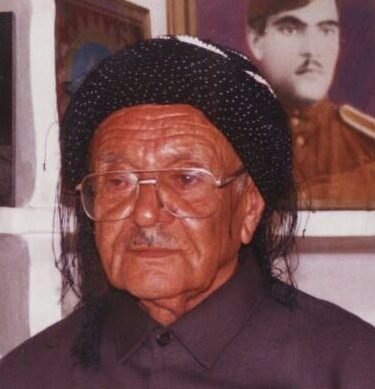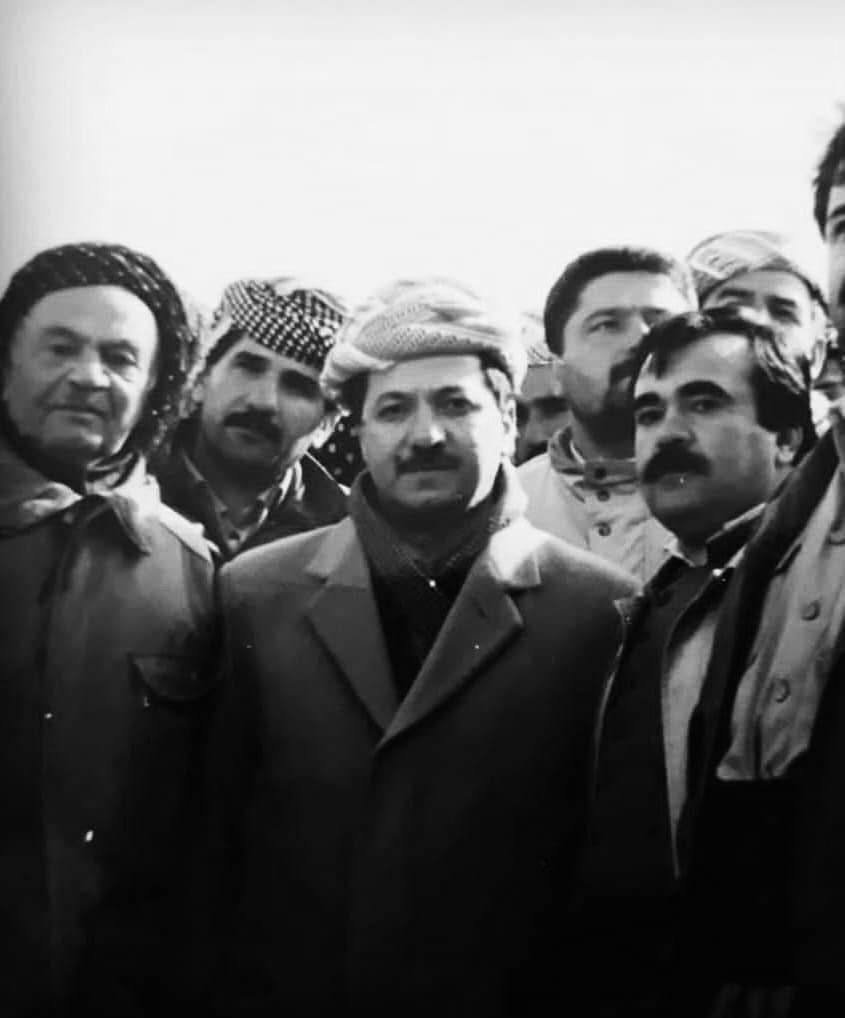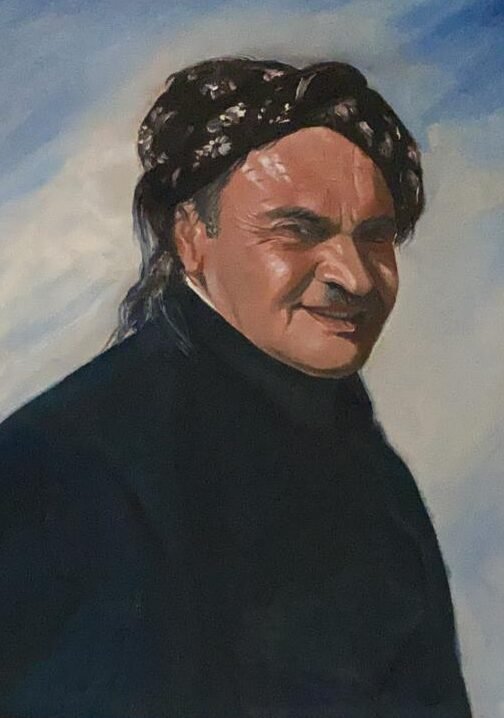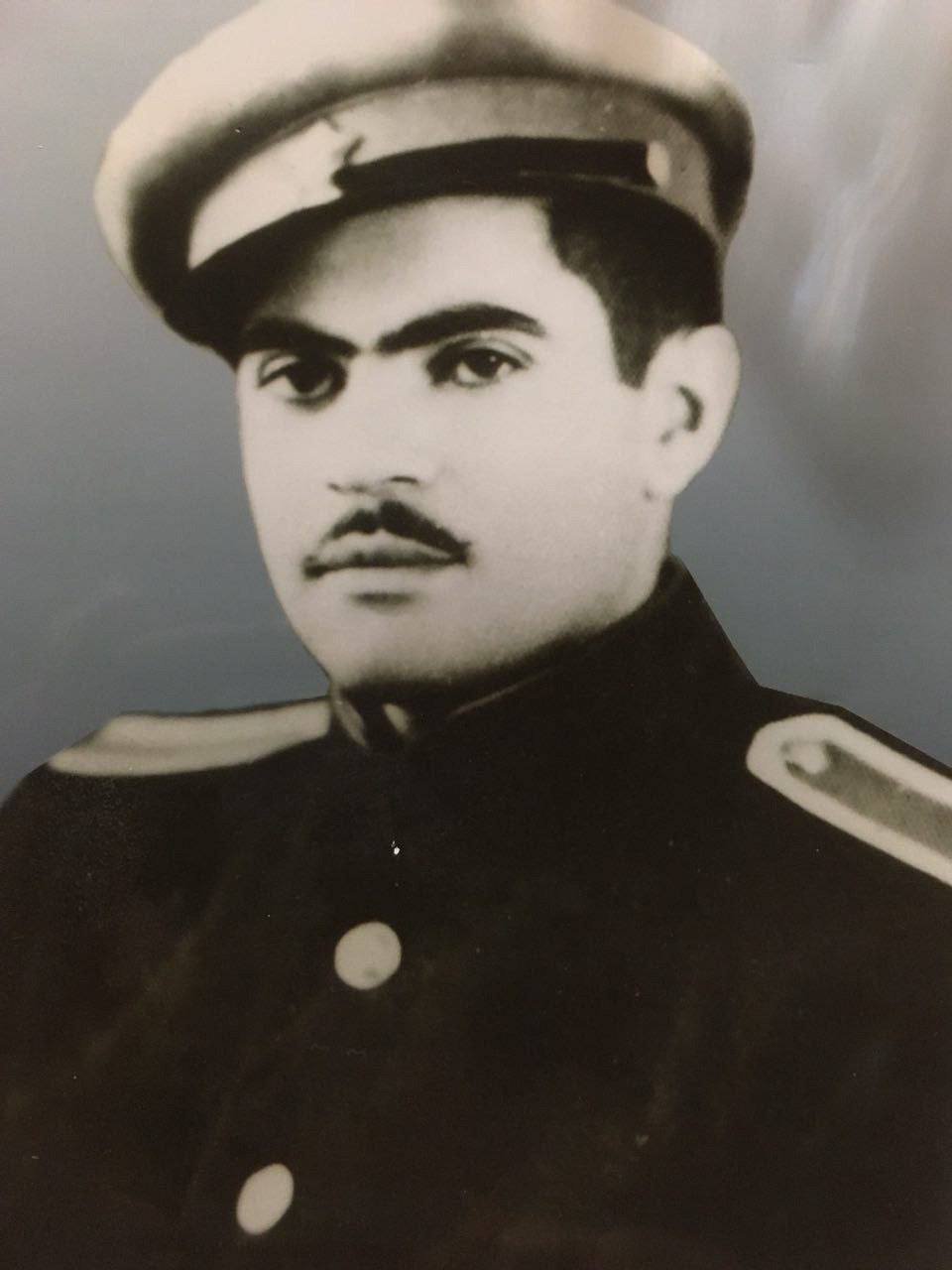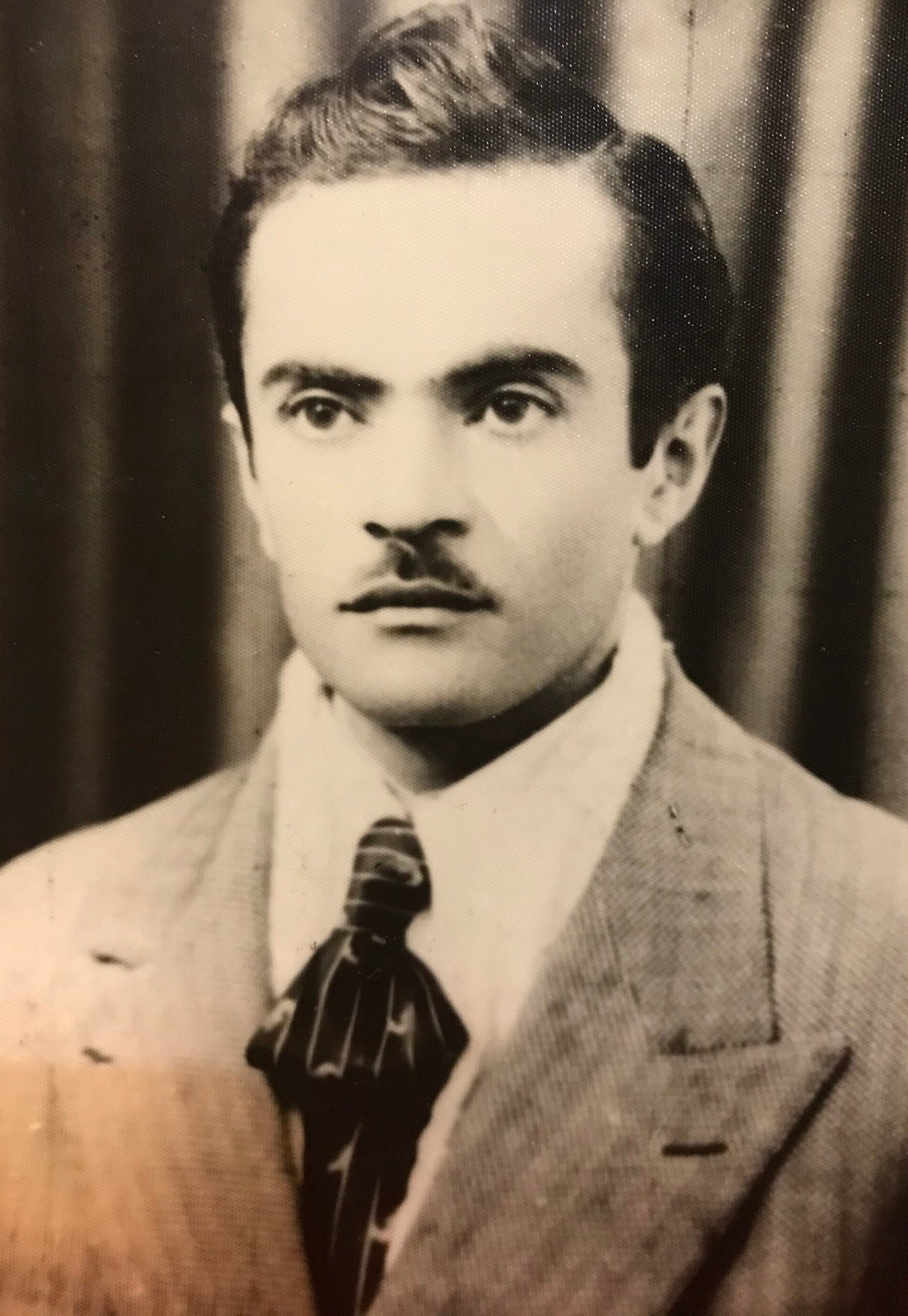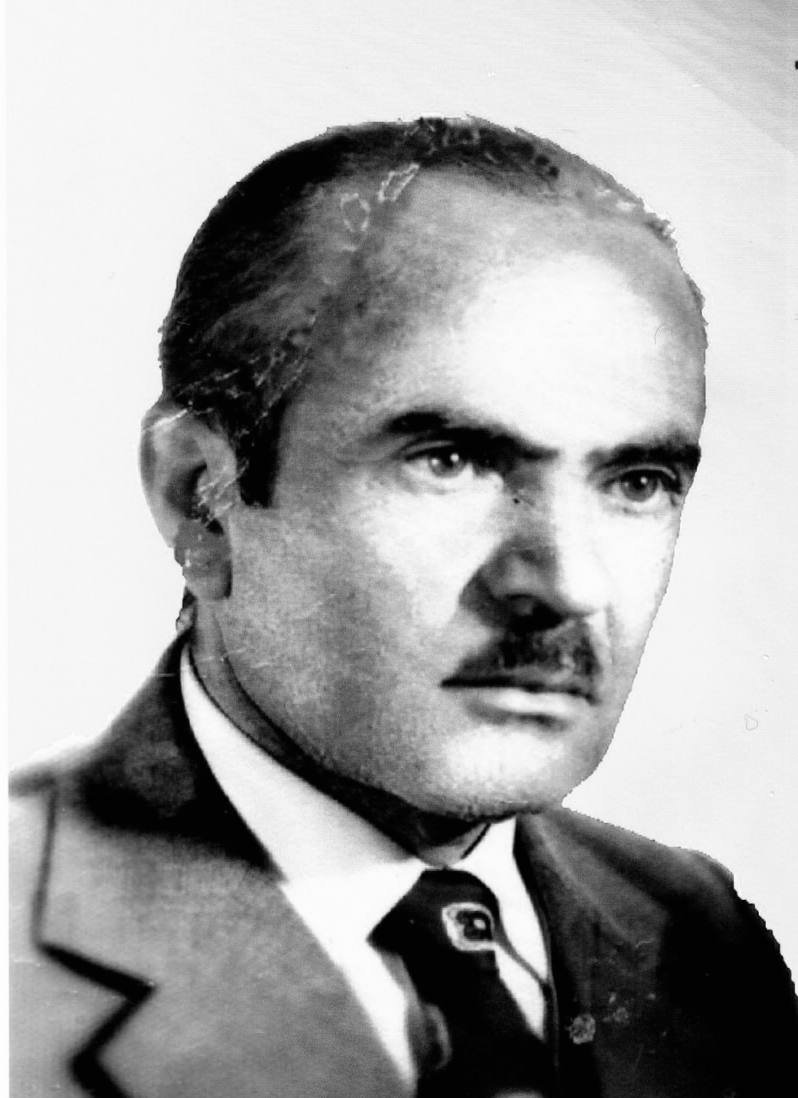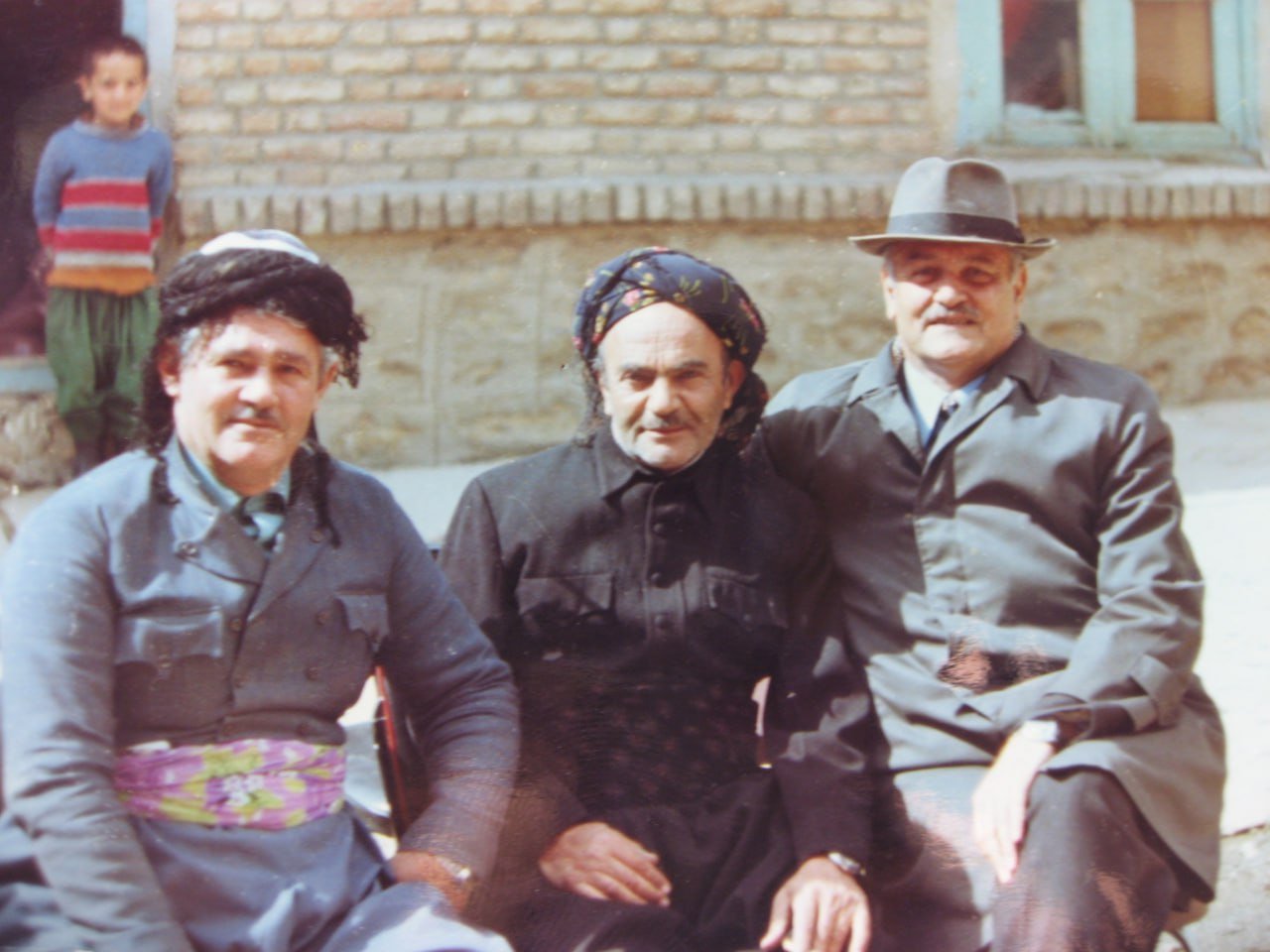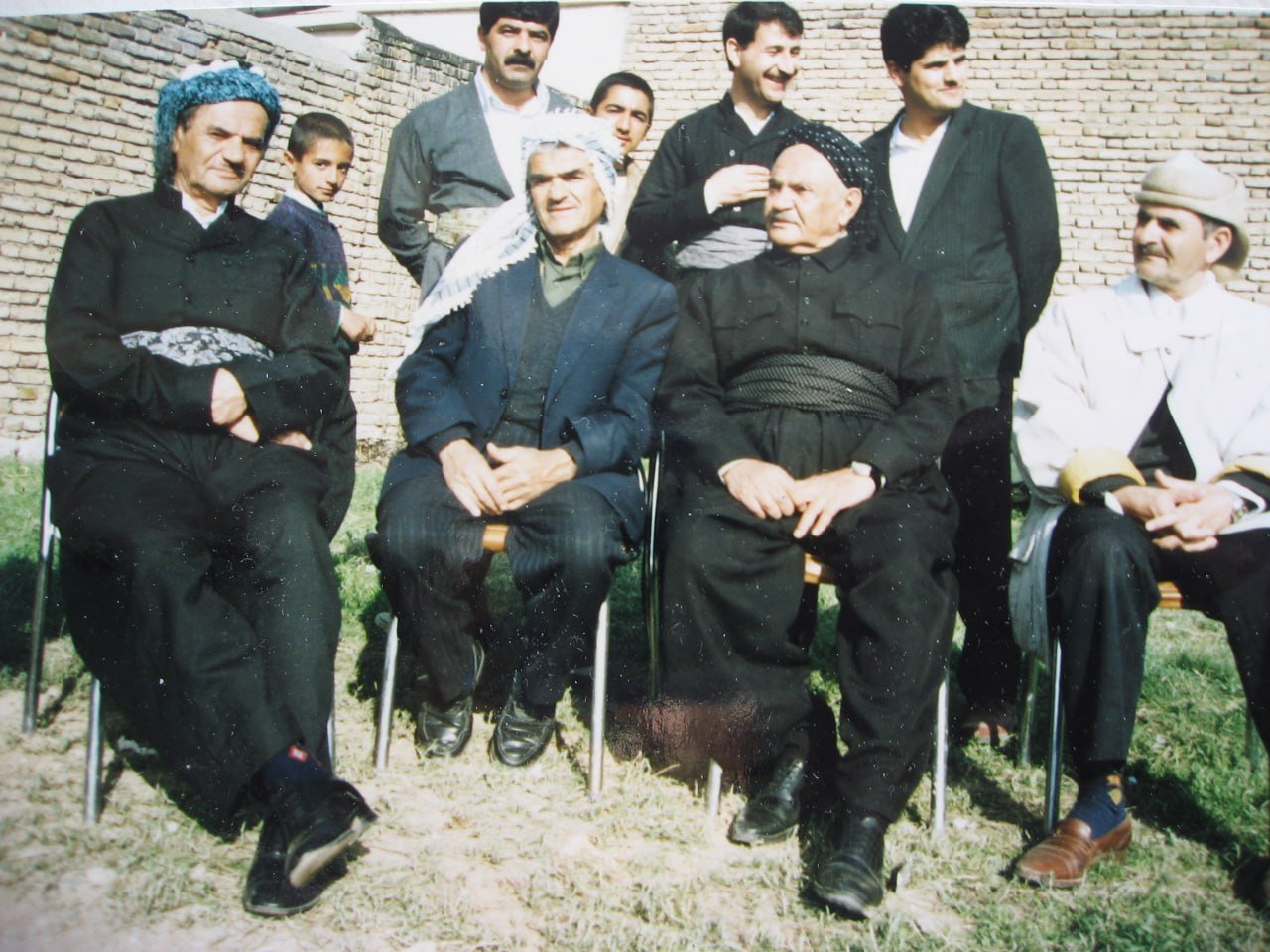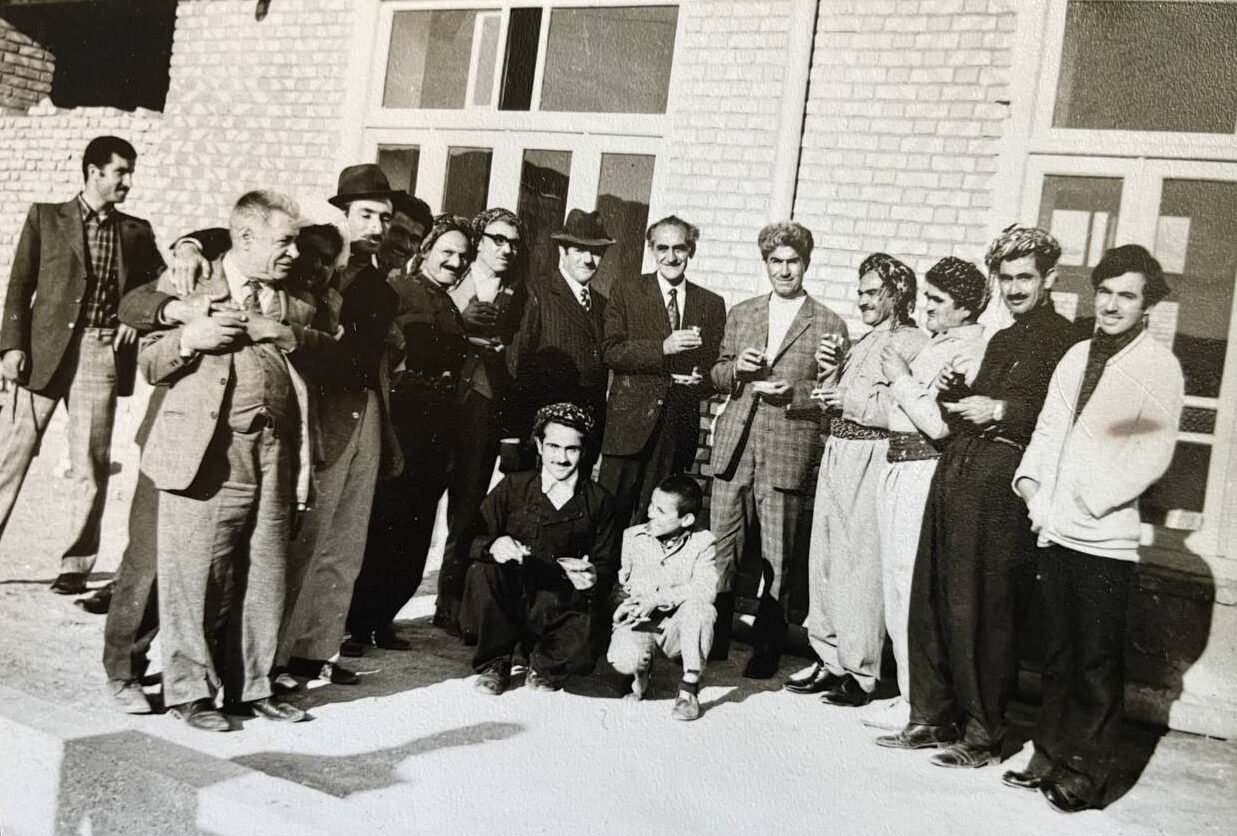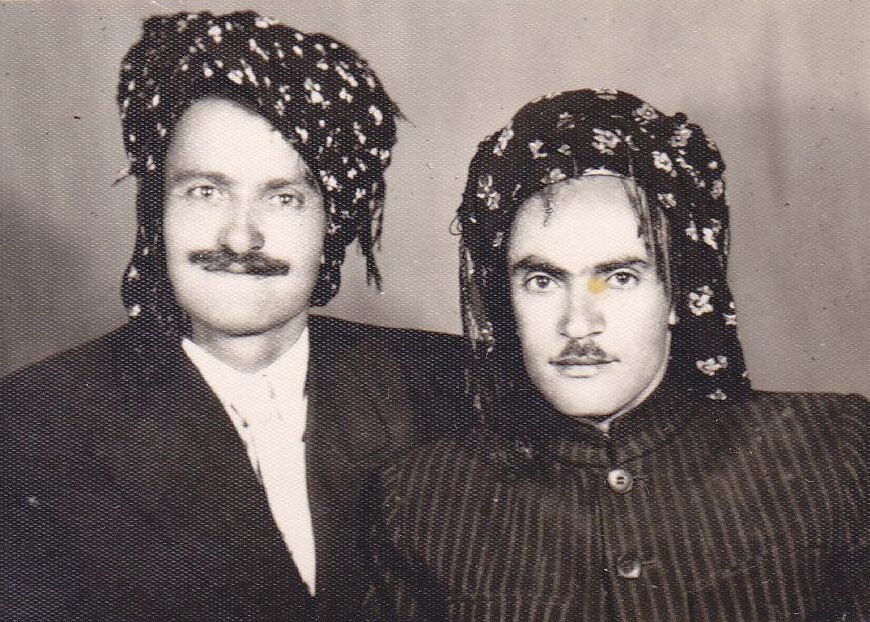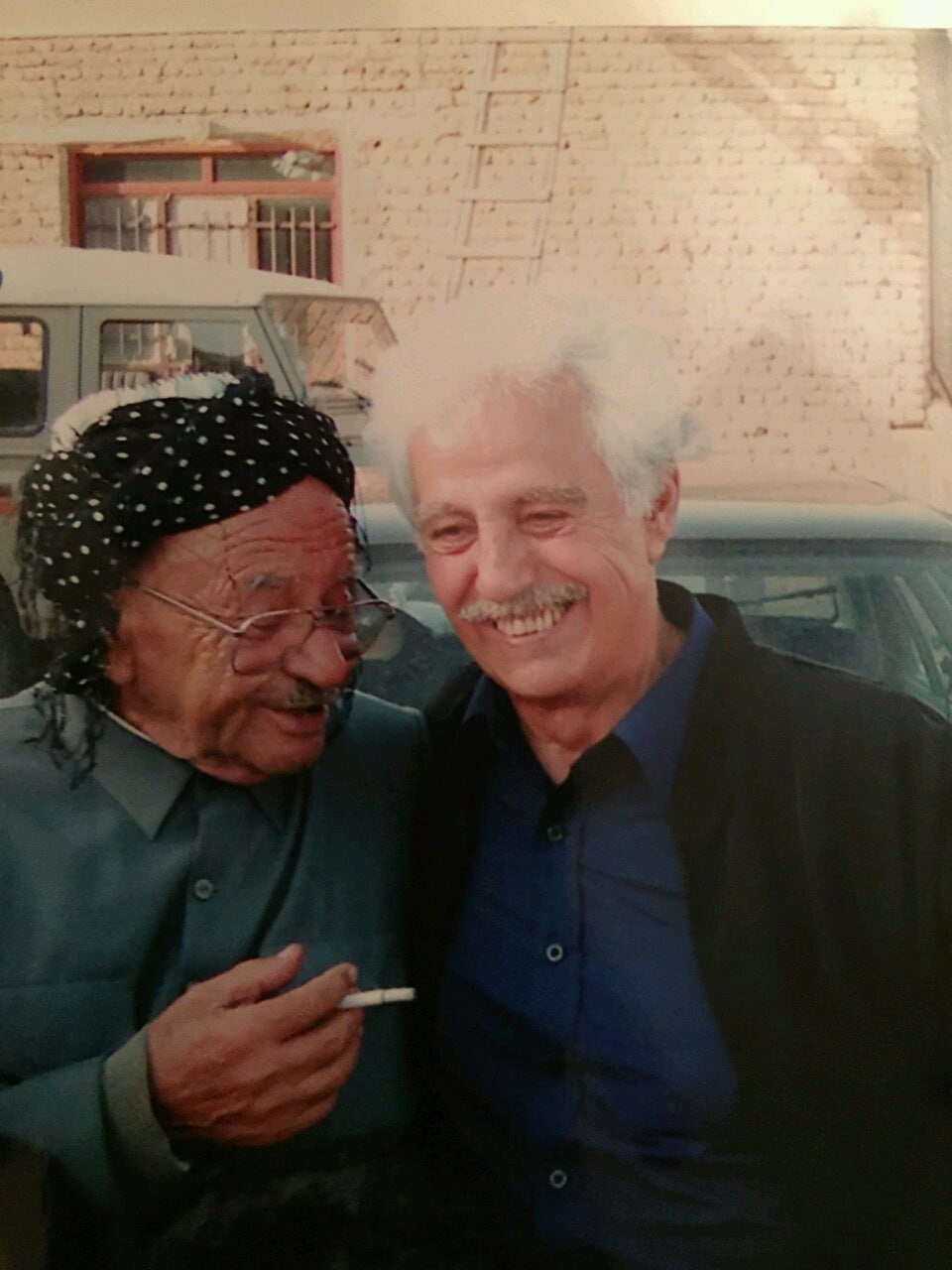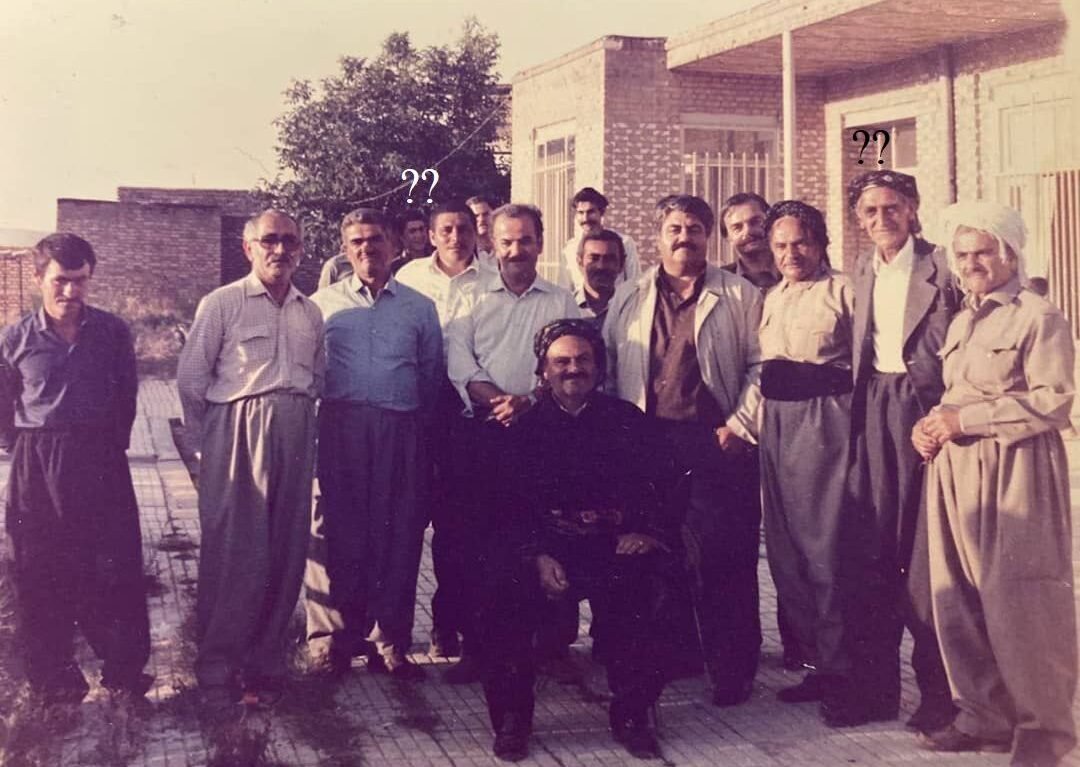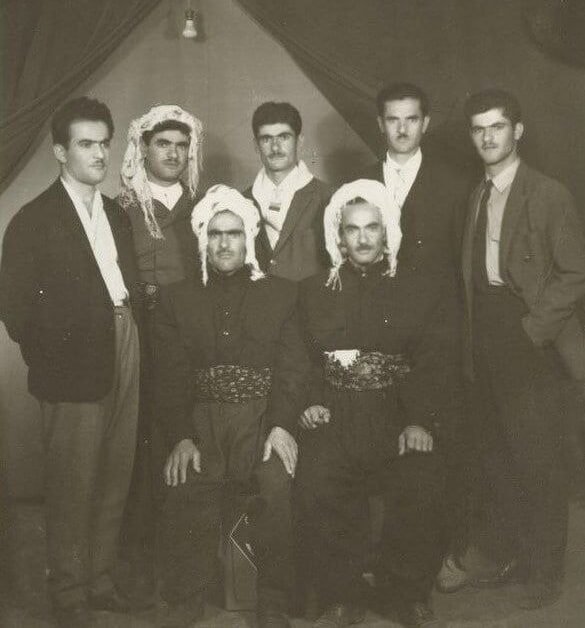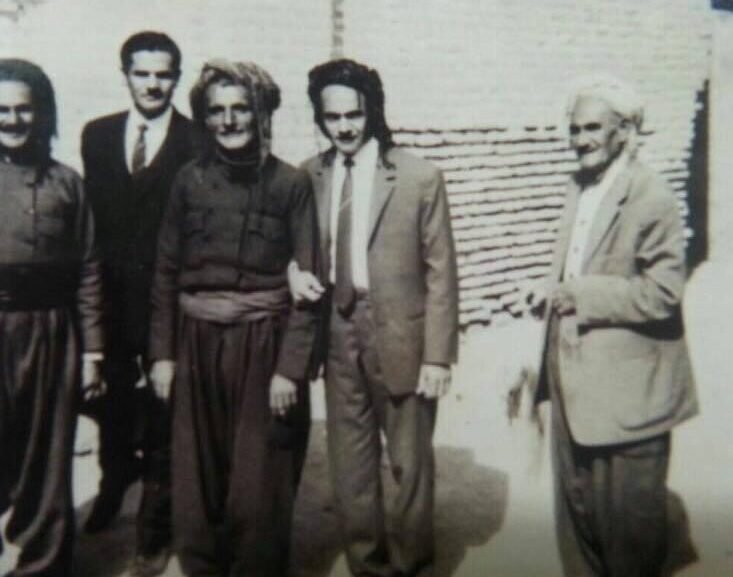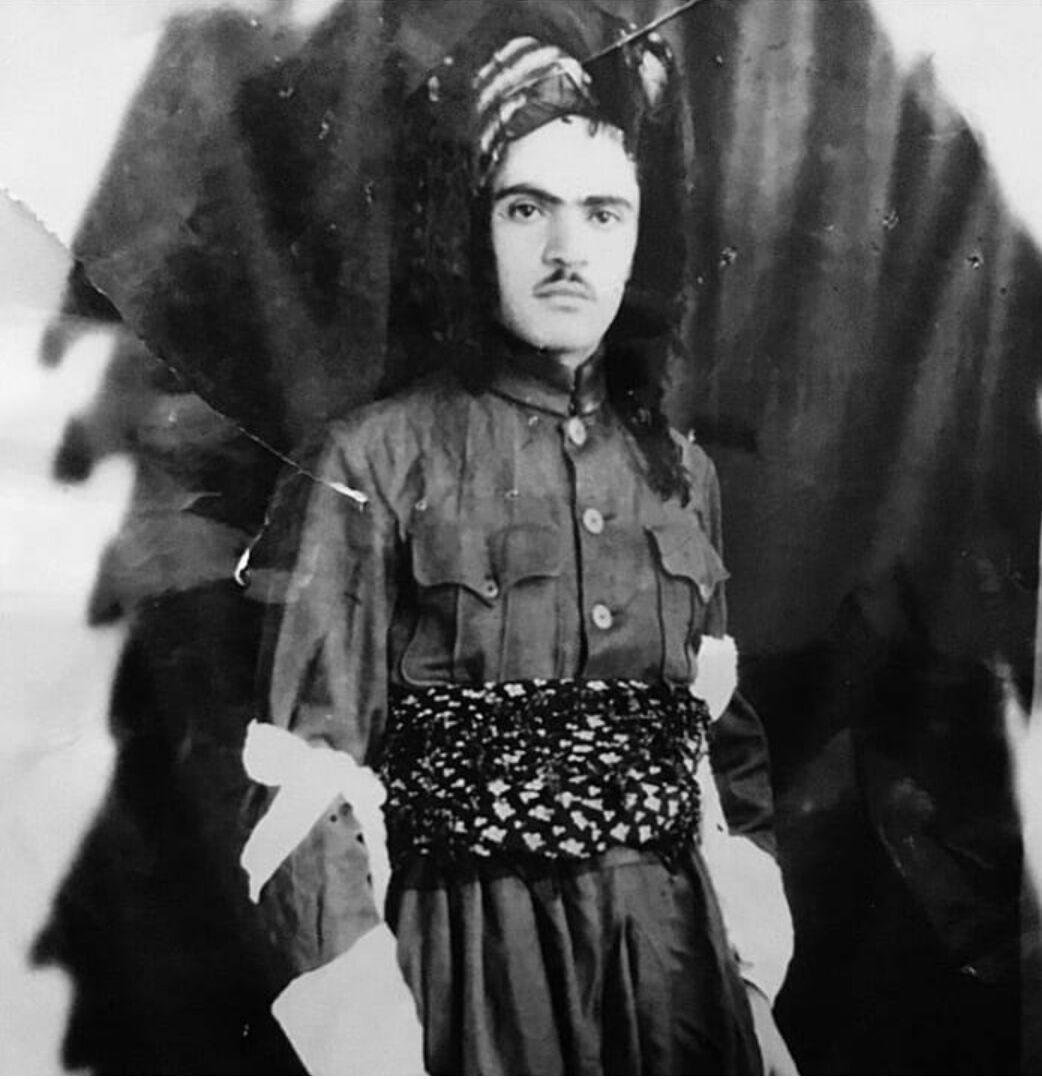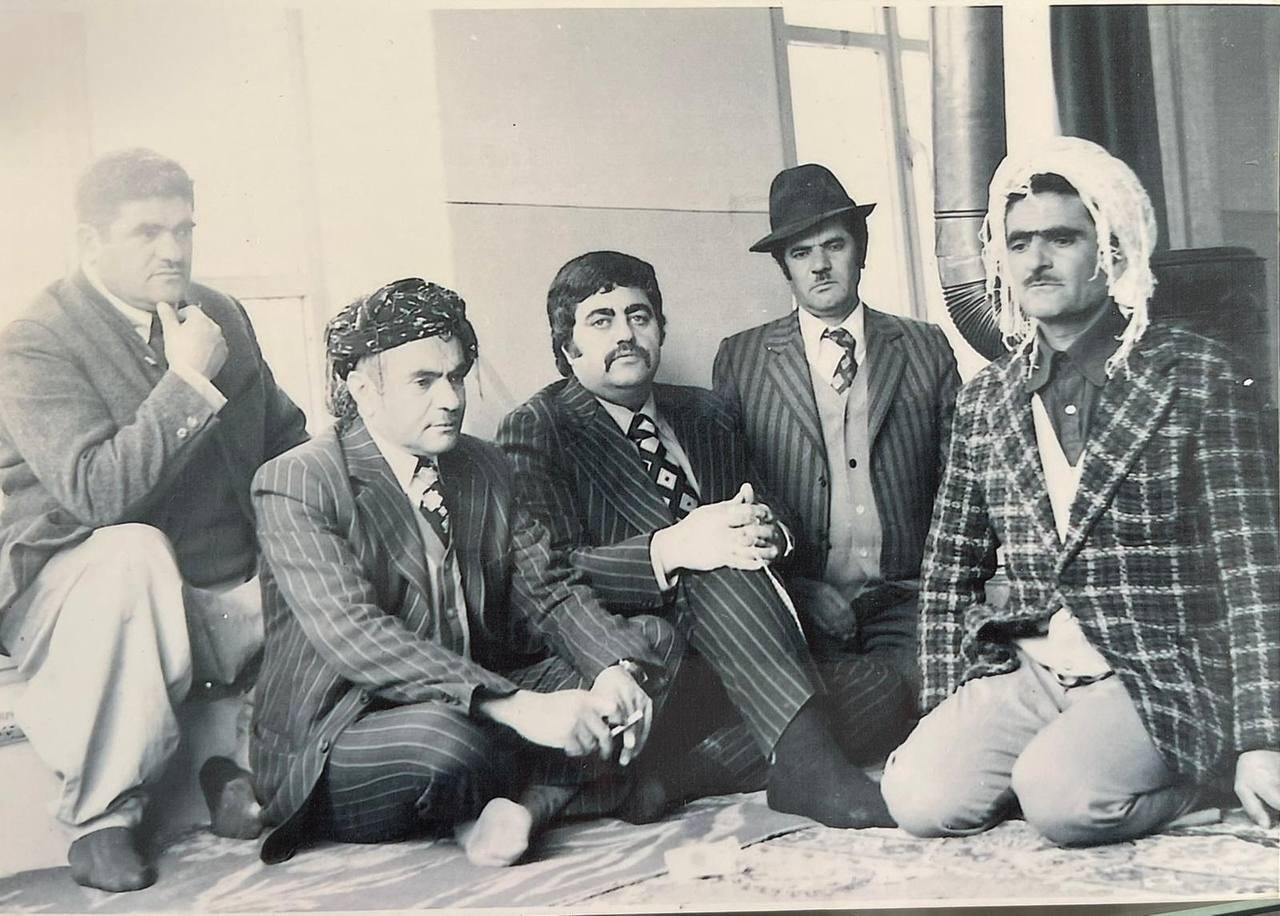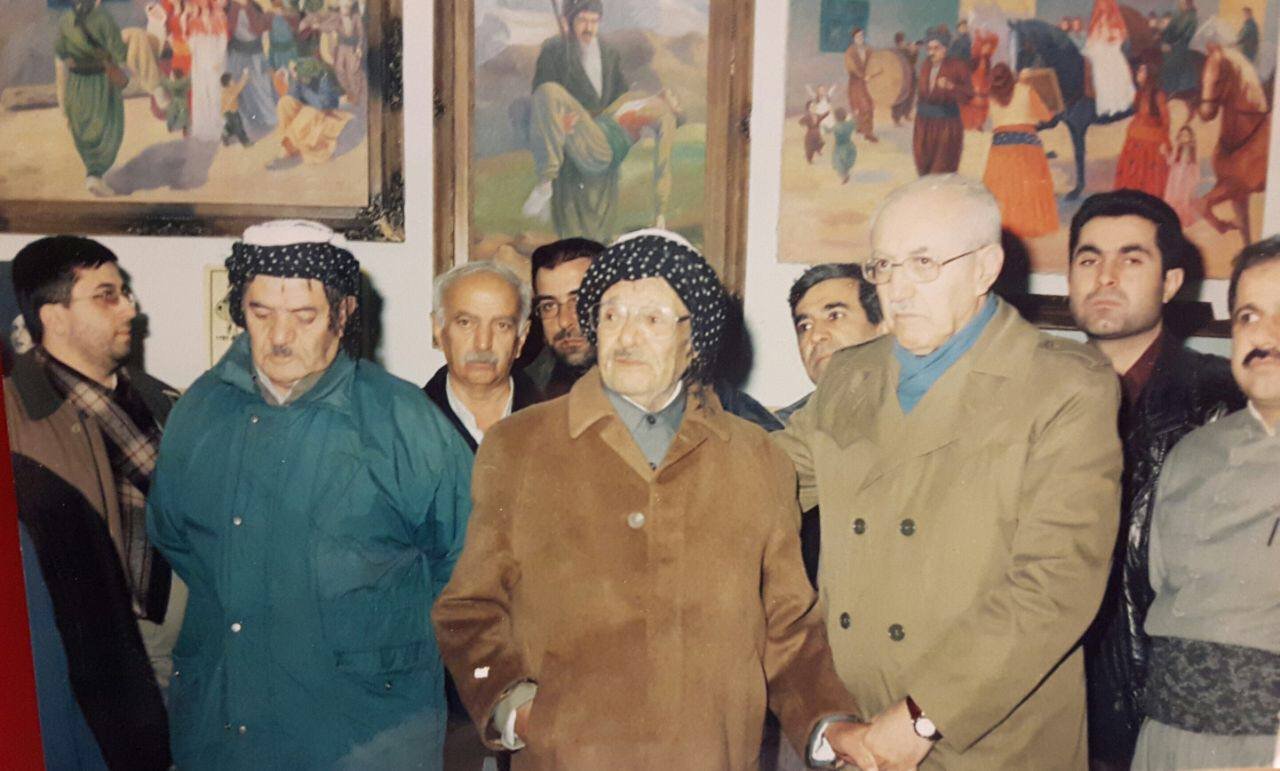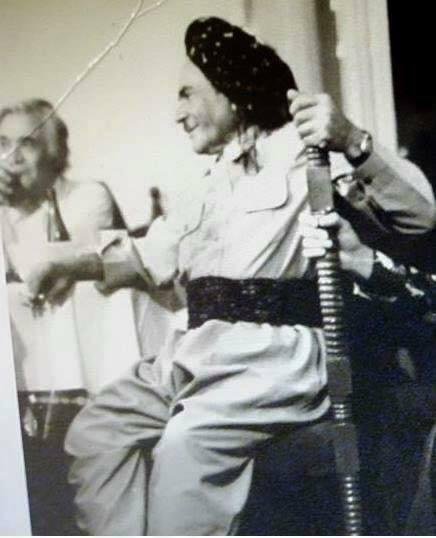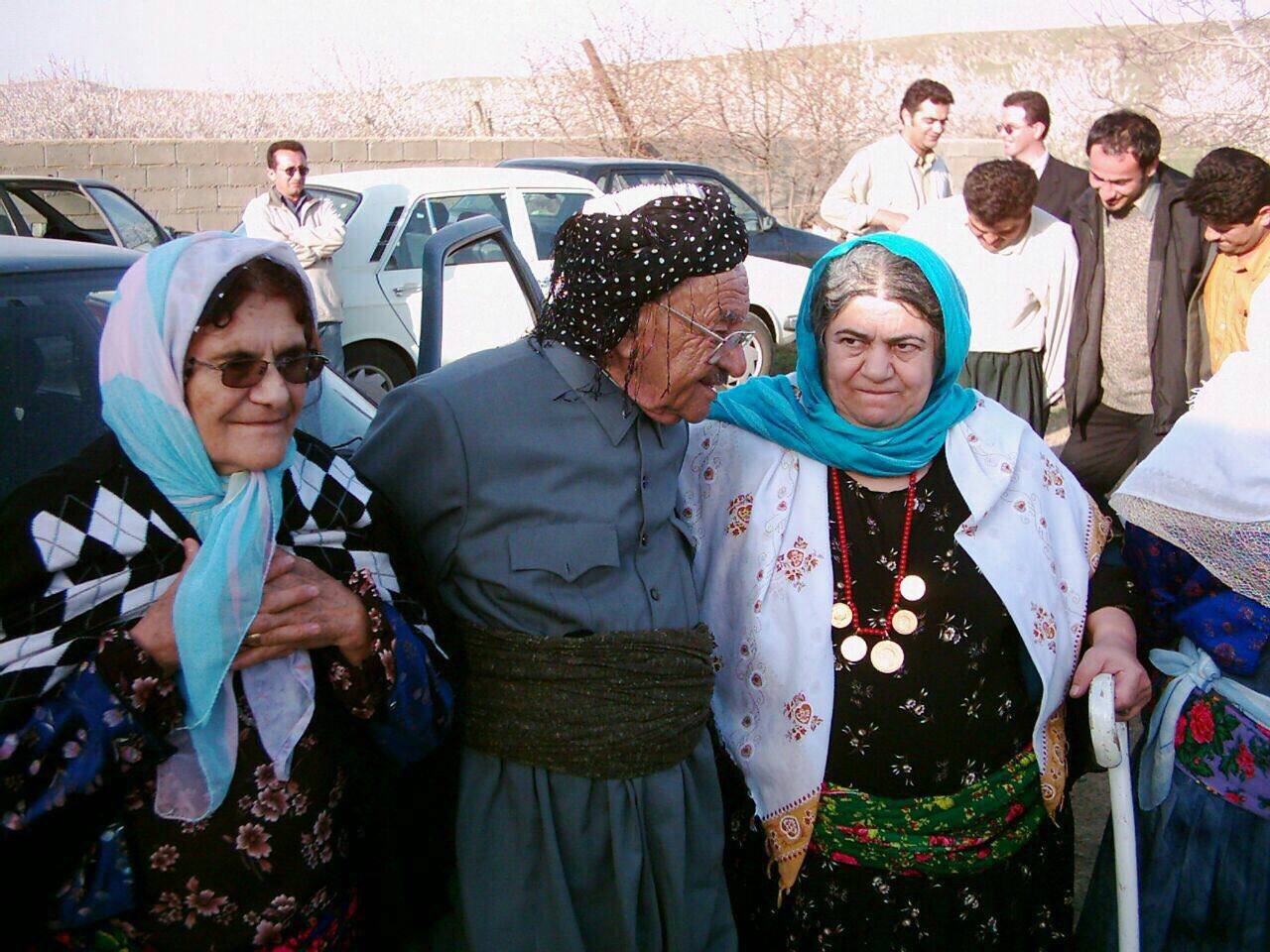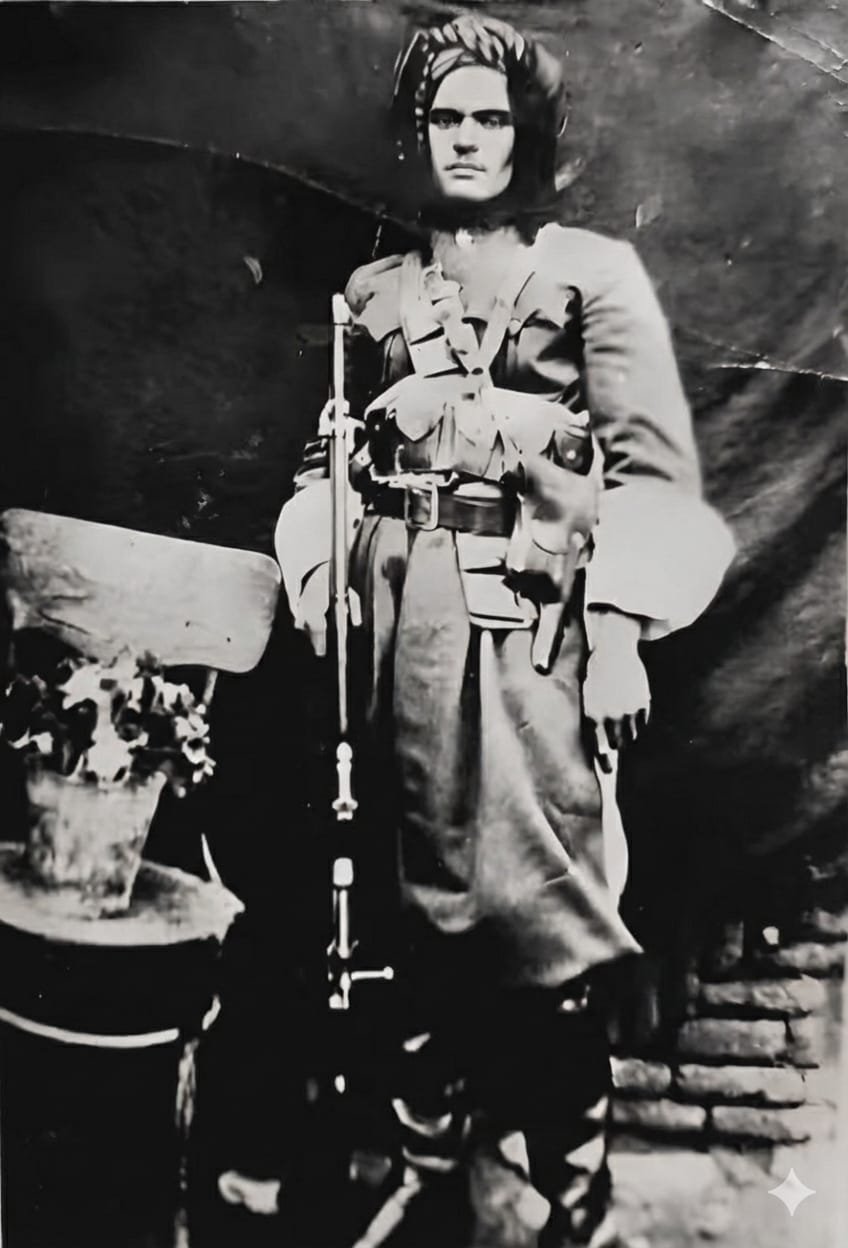
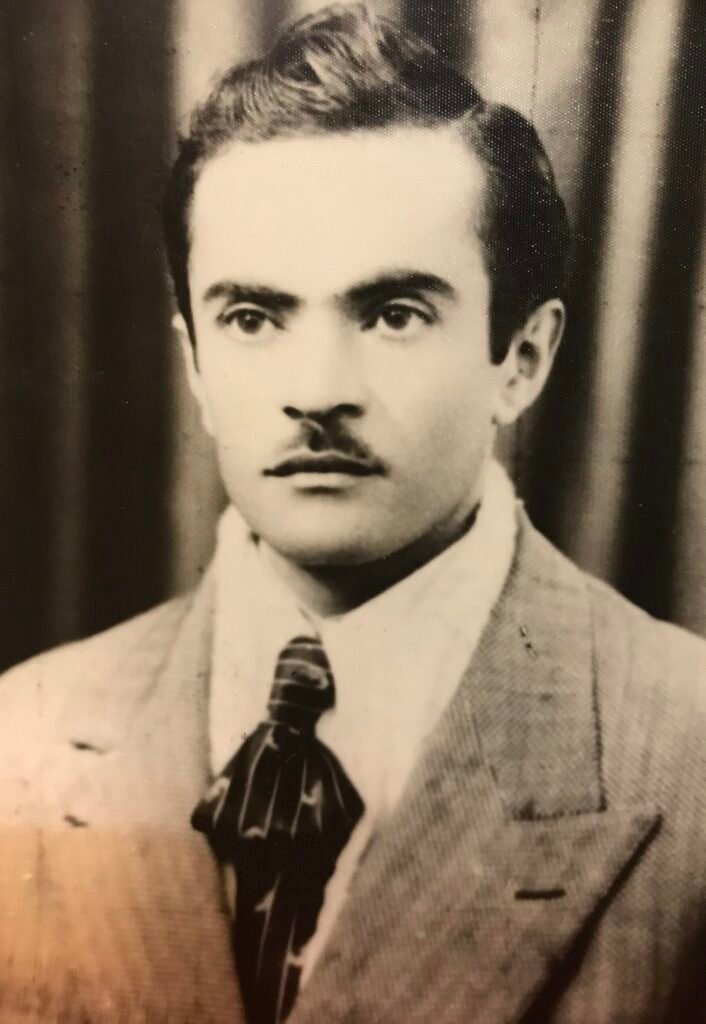
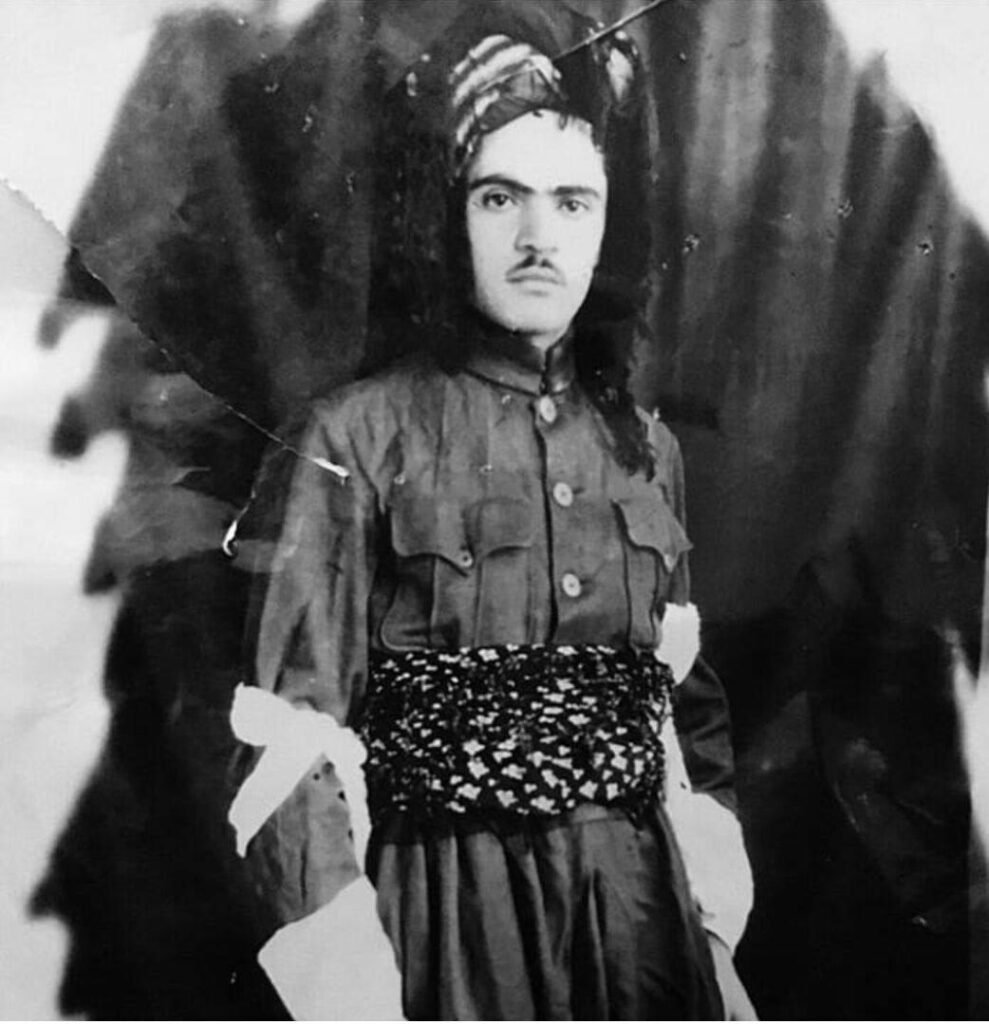
Abdulrahman Qazi was the son of Haji Qazi Karim and the grandson of Qazi Muneim; his mother, Hajara Khanum, was the daughter of Mulla Ali Qazi. He was born on April 28, 1924 (8 Banamer, 1303 Solar Hijri) in the city of Mahabad. Early Life and Education He began his primary education under the tutelage of Mulla Sayed Habibullah and later completed his secondary schooling at the Saadat School in Mahabad. As a young man, Rahman was a highly trusted figure within his family. He was frequently entrusted with significant responsibilities by the immortal leader, Peshawa Qazi Muhammad, playing a visible and active role in the political and cultural movements of that era. Notably, he designed the stage curtains for the play "Dayki Nishtiman" (Motherland) and played a pivotal role in its production.
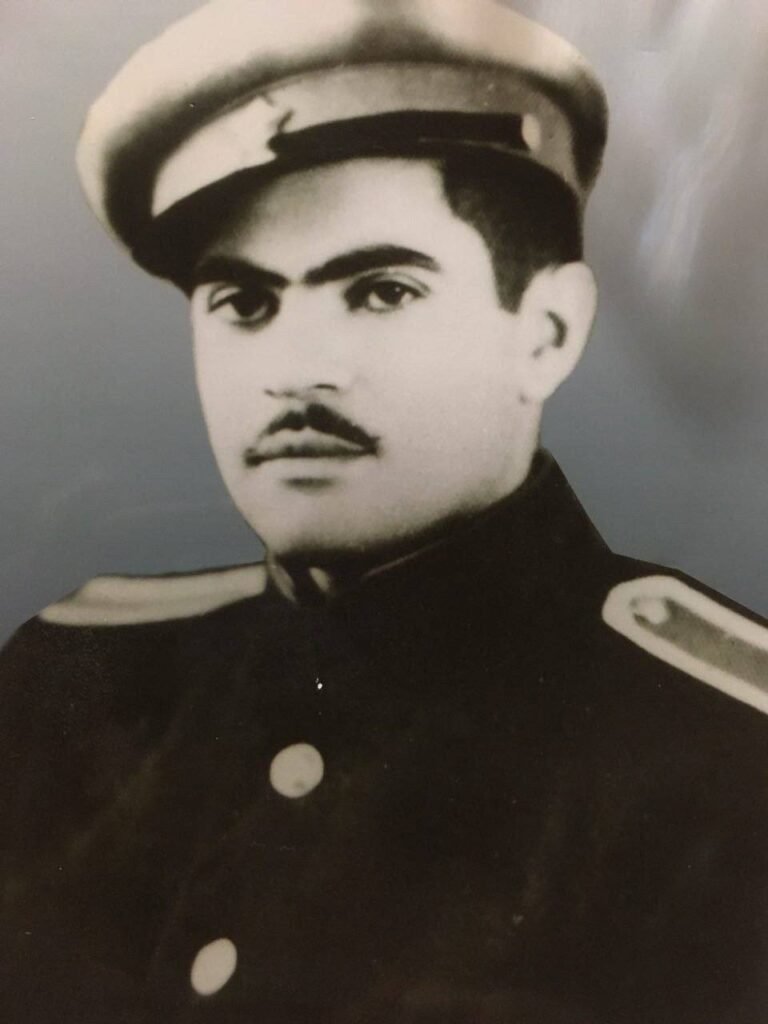
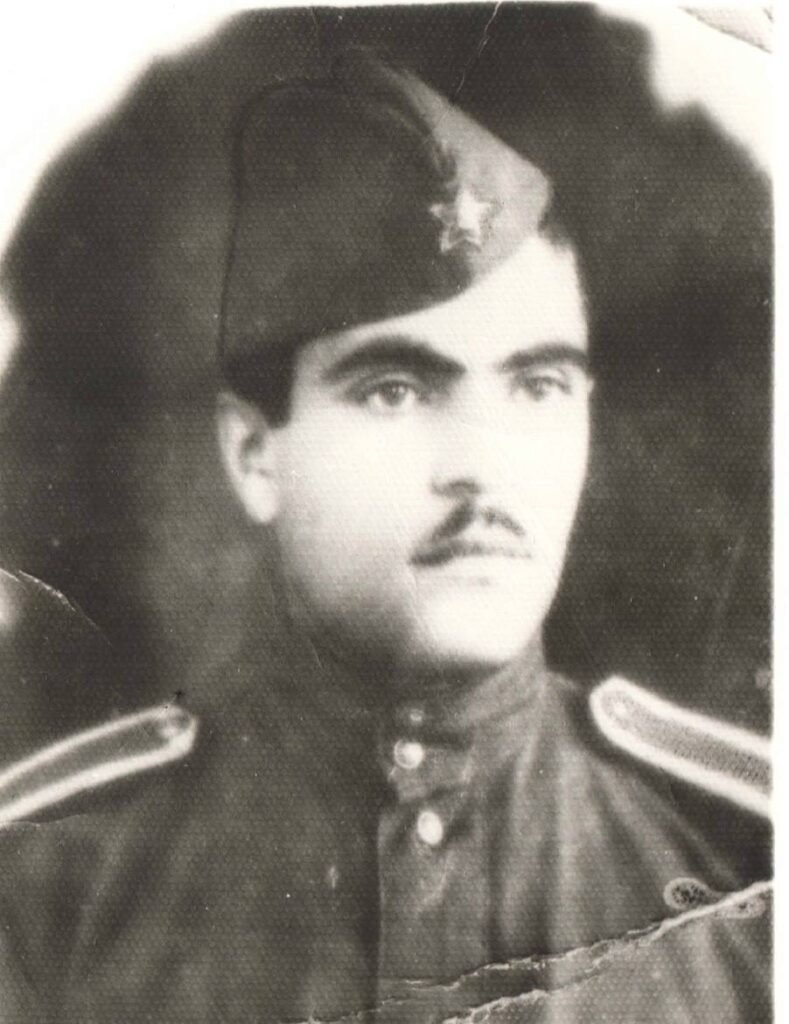
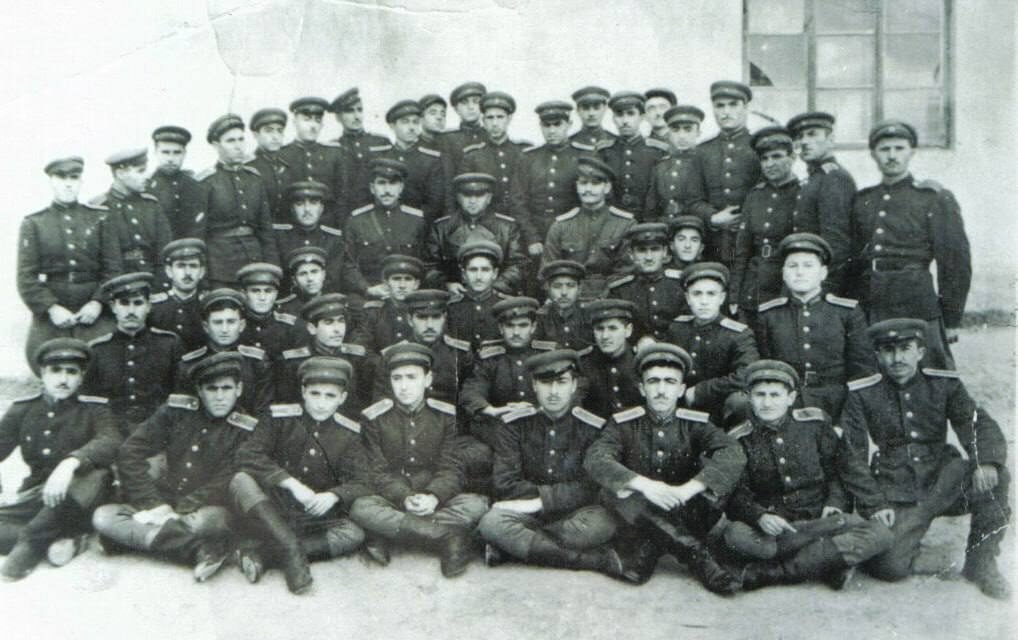
In 1946 (1325 SH), he was among 49 students sent by the government of the Republic of Kurdistan to the Soviet Union to pursue higher education. He studied at the Artillery Department of the Military University in Baku. Following the fall of the Republic, he returned to Mahabad, where he dedicated 32 years of his life to education as a respected teacher.
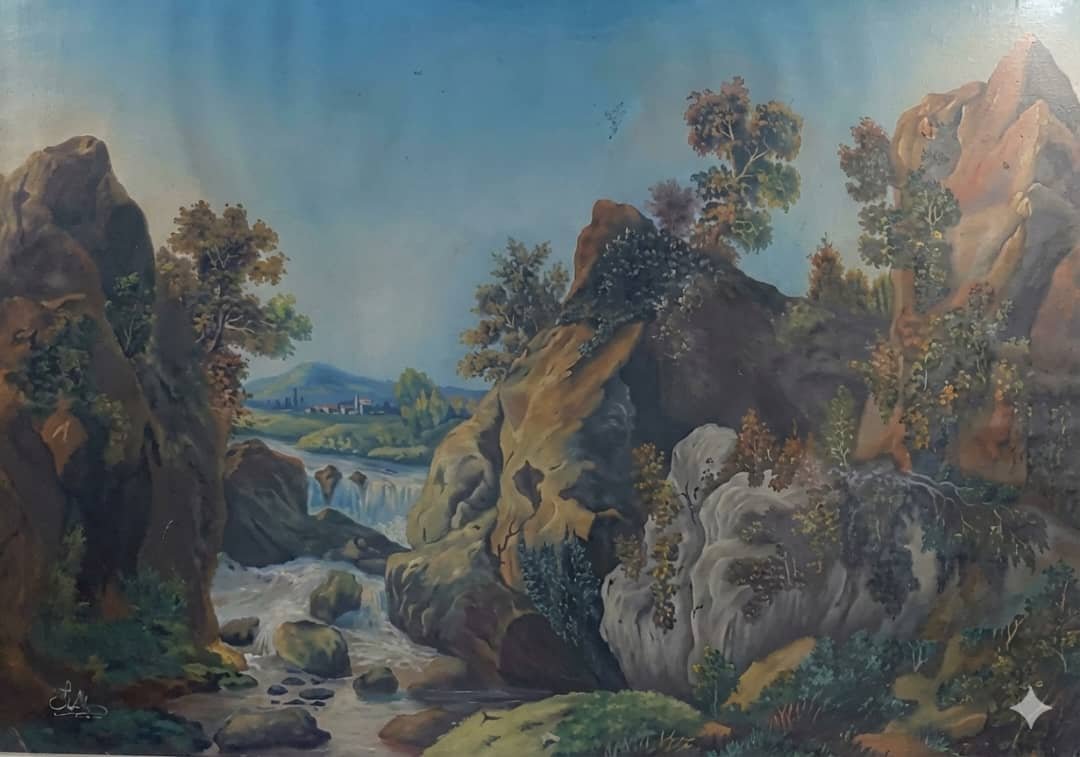
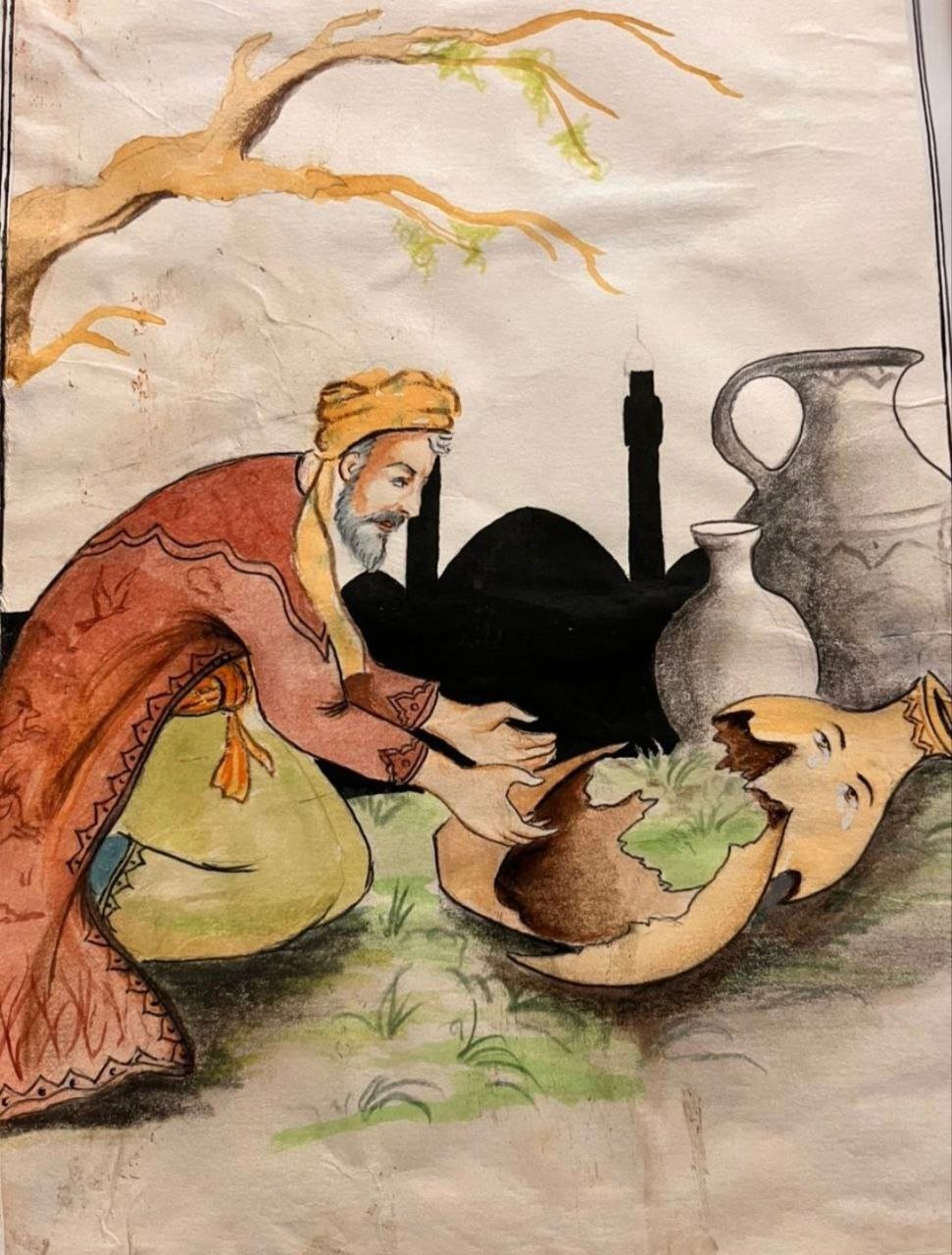
Family and Personal Life In 1947, he married a fellow teacher, Halimeh Khanum Osmani. Together, they raised eight children: Daughters: Setareh, Fatemeh, and Sima. Sons: Ibrahim, Jafar, Ismail, Nader, and Nasir. Artistic and Literary Legacy Alongside his teaching career, Rahman Qazi was a master of calligraphy and painting. Many of his works are preserved by his family. His notable paintings include: Jesus Christ and His Disciples The Khanqah of Sheikh Burhan Portrait of Qazi Ali Portrait of Qazi Muneim Portrait of the Immortal Peshawa The Nature of France In the realm of calligraphy, he left behind extraordinary manuscripts, including:
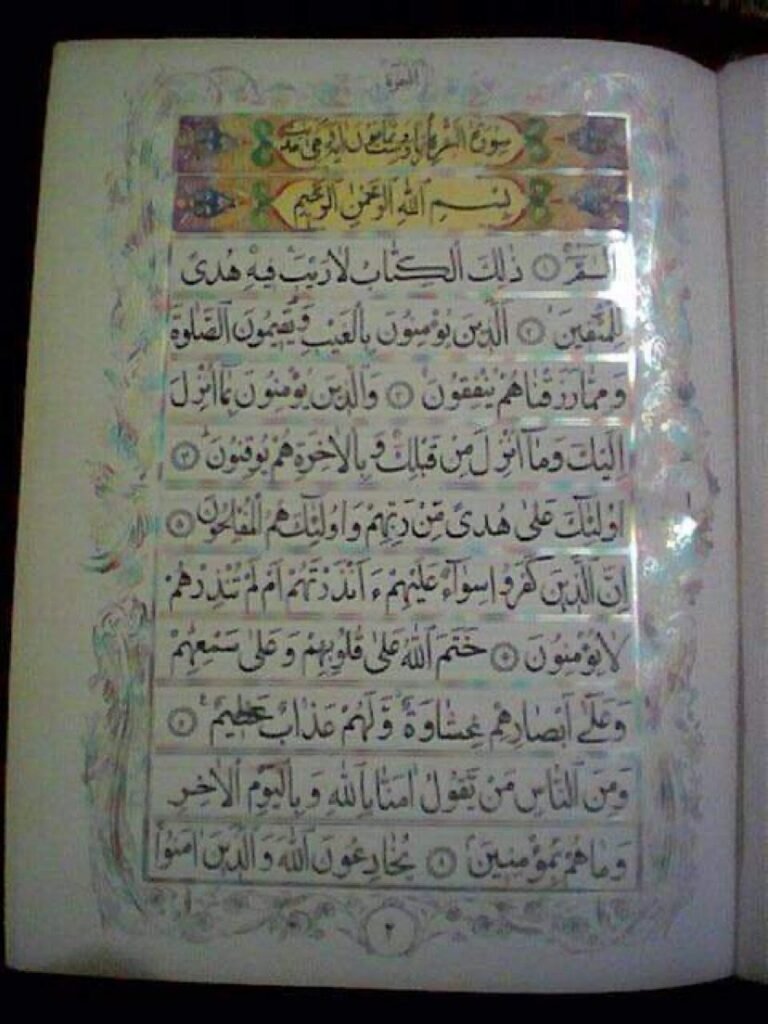
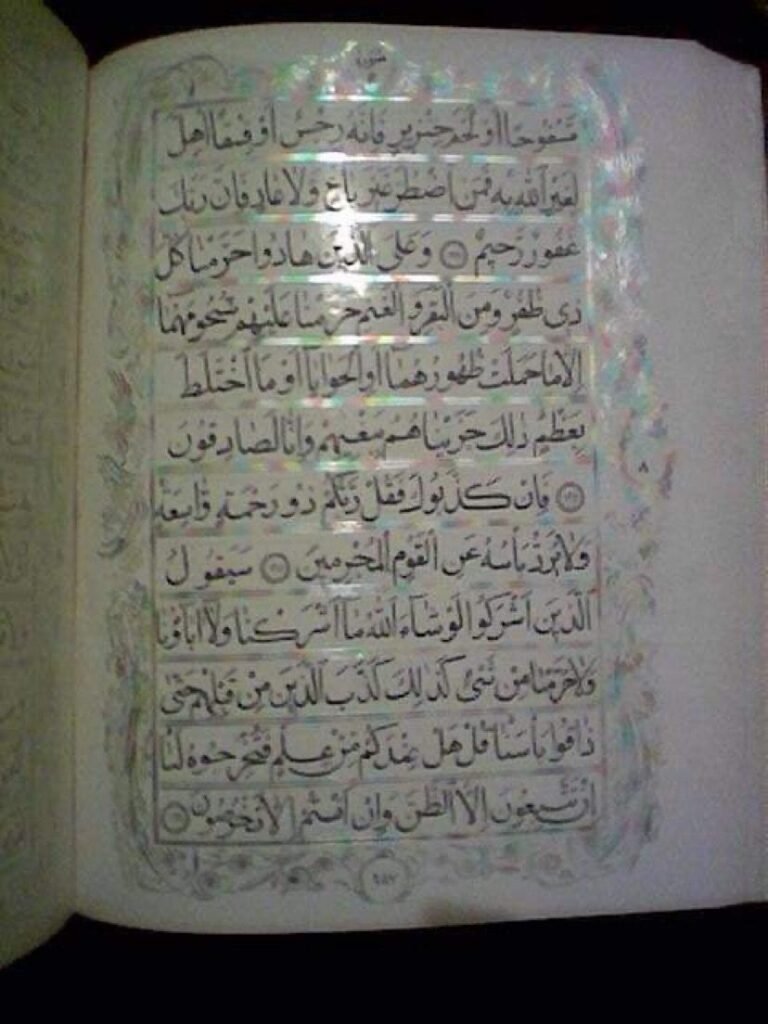
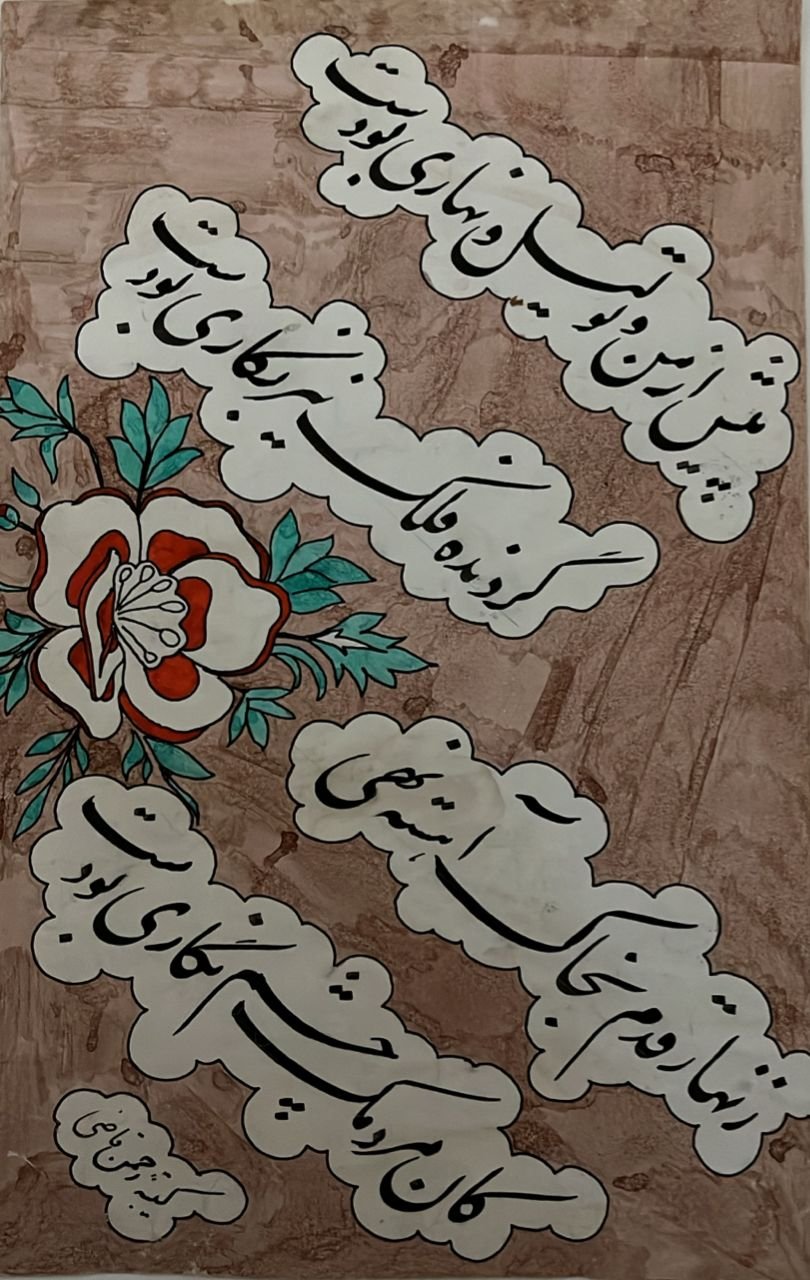
The Holy Quran in Naskh script. The Rubaiyat of Khayyam (in both Kurdish and Persian) in Nastaliq script. His memoir, My Experiences and Memories, in Nastaliq. As a gifted poet, he enriched Kurdish literature with dozens of poems. His masterpieces include the 330-line translation of the poem "Zohreh and Manouchehr," his rendition of the famous poem
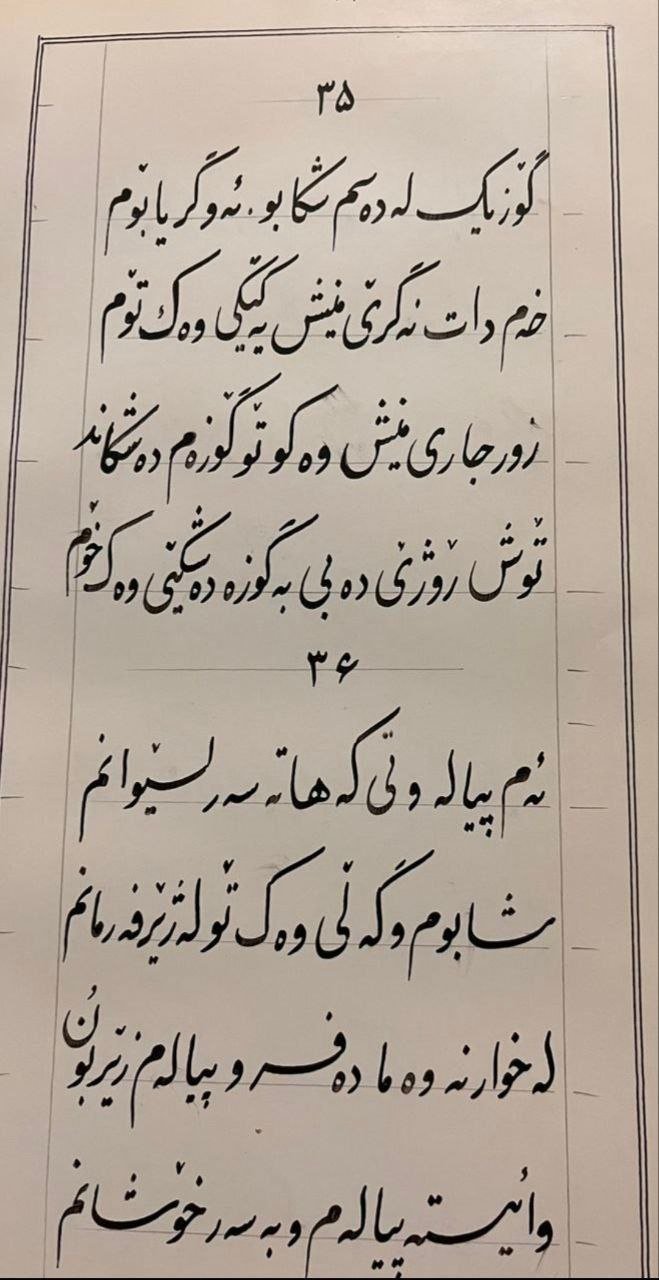
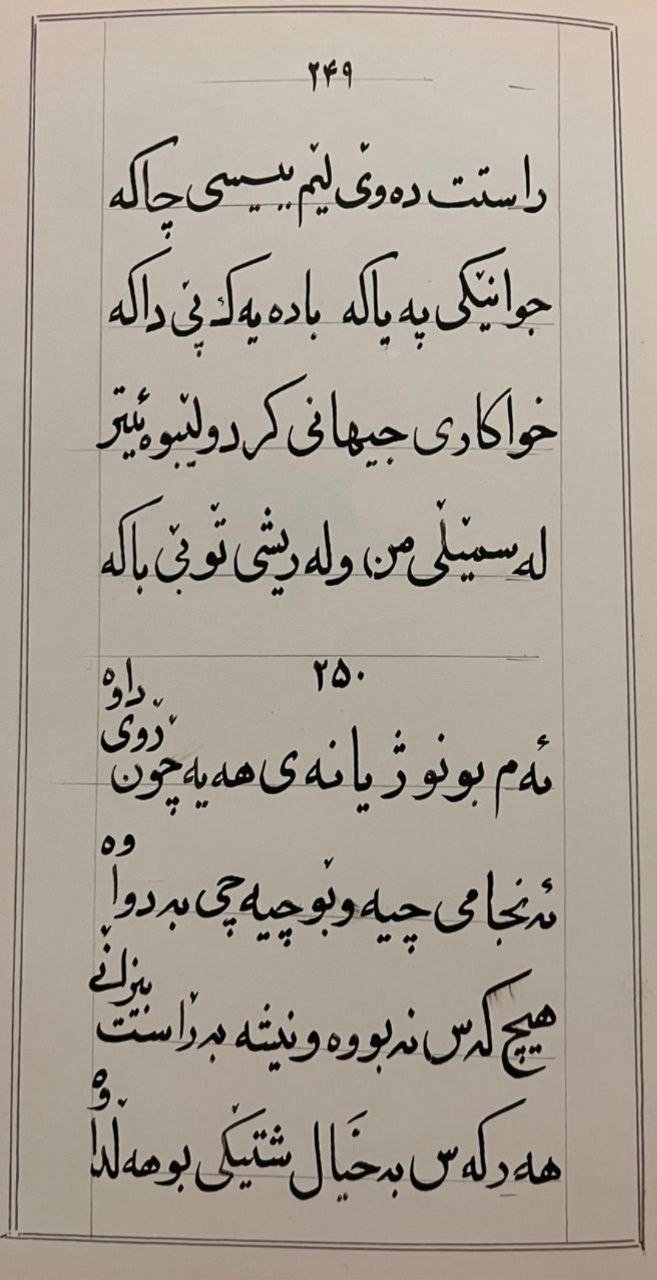
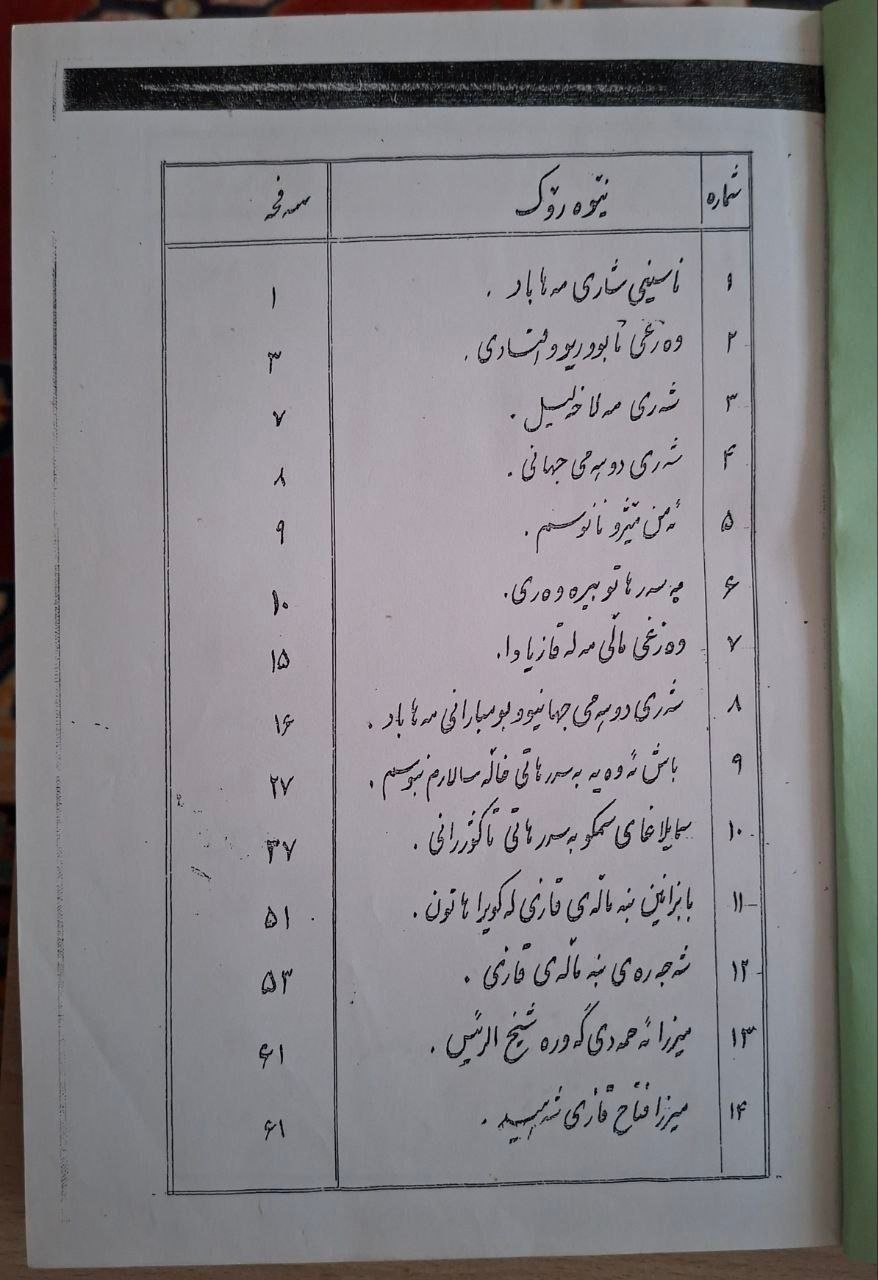
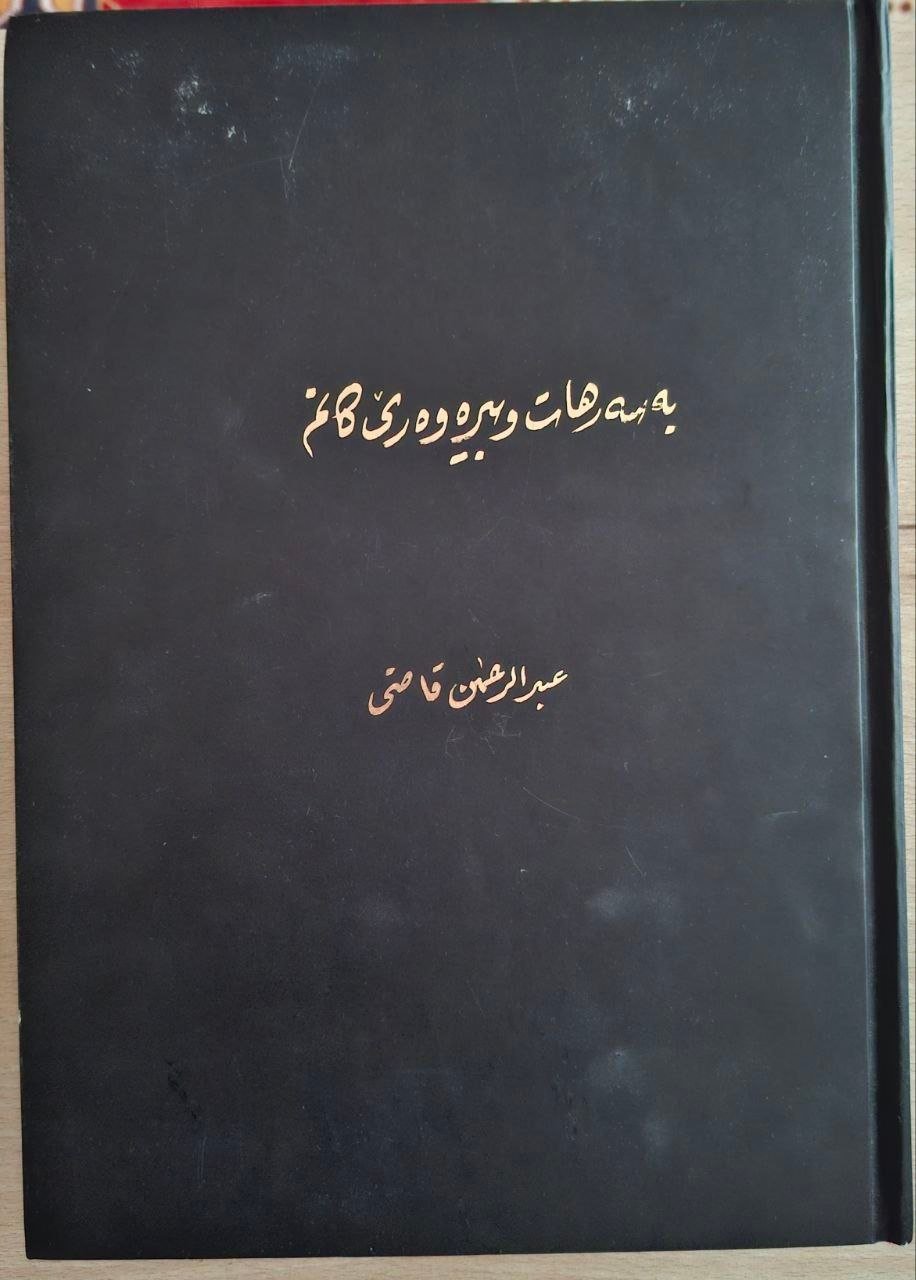
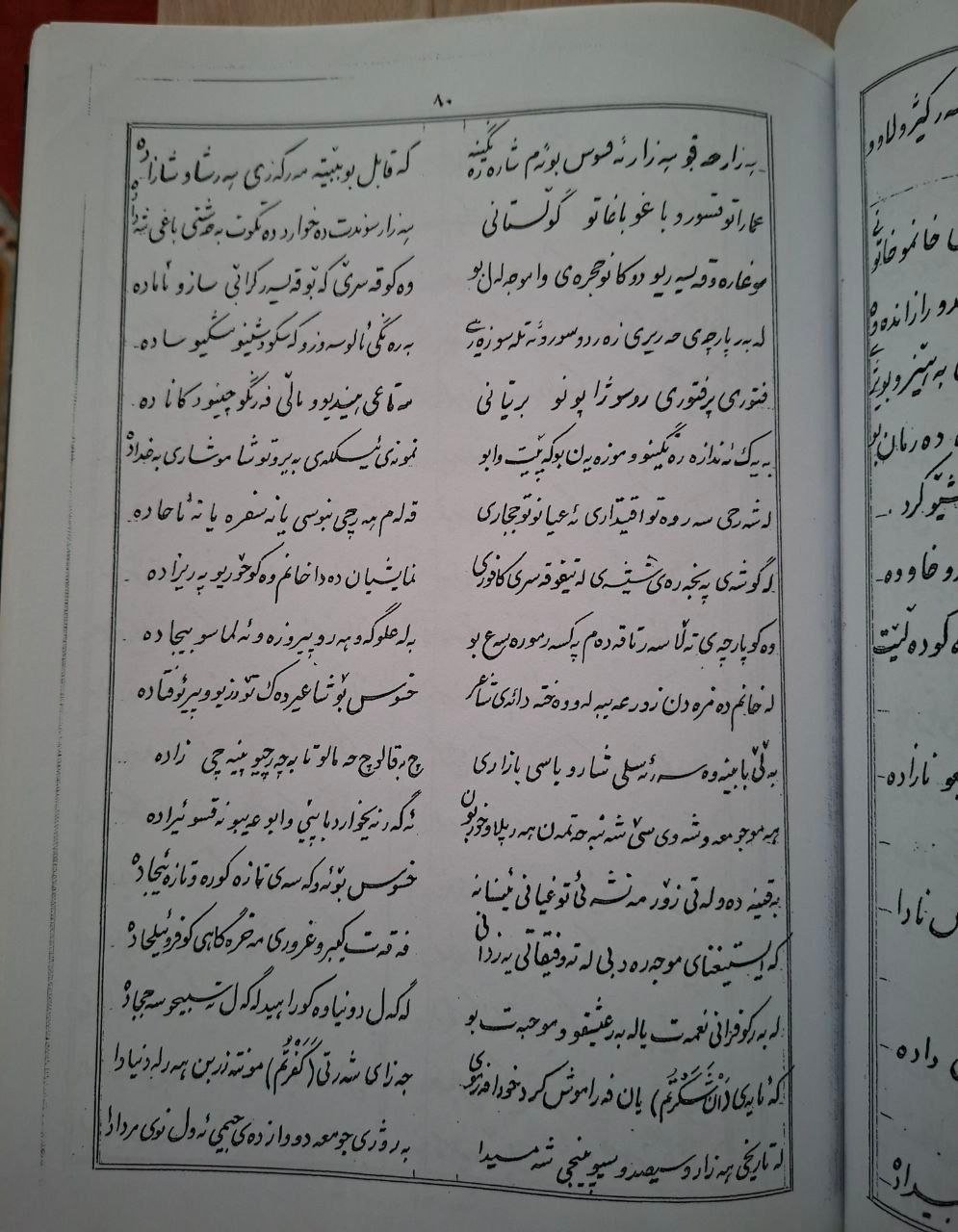
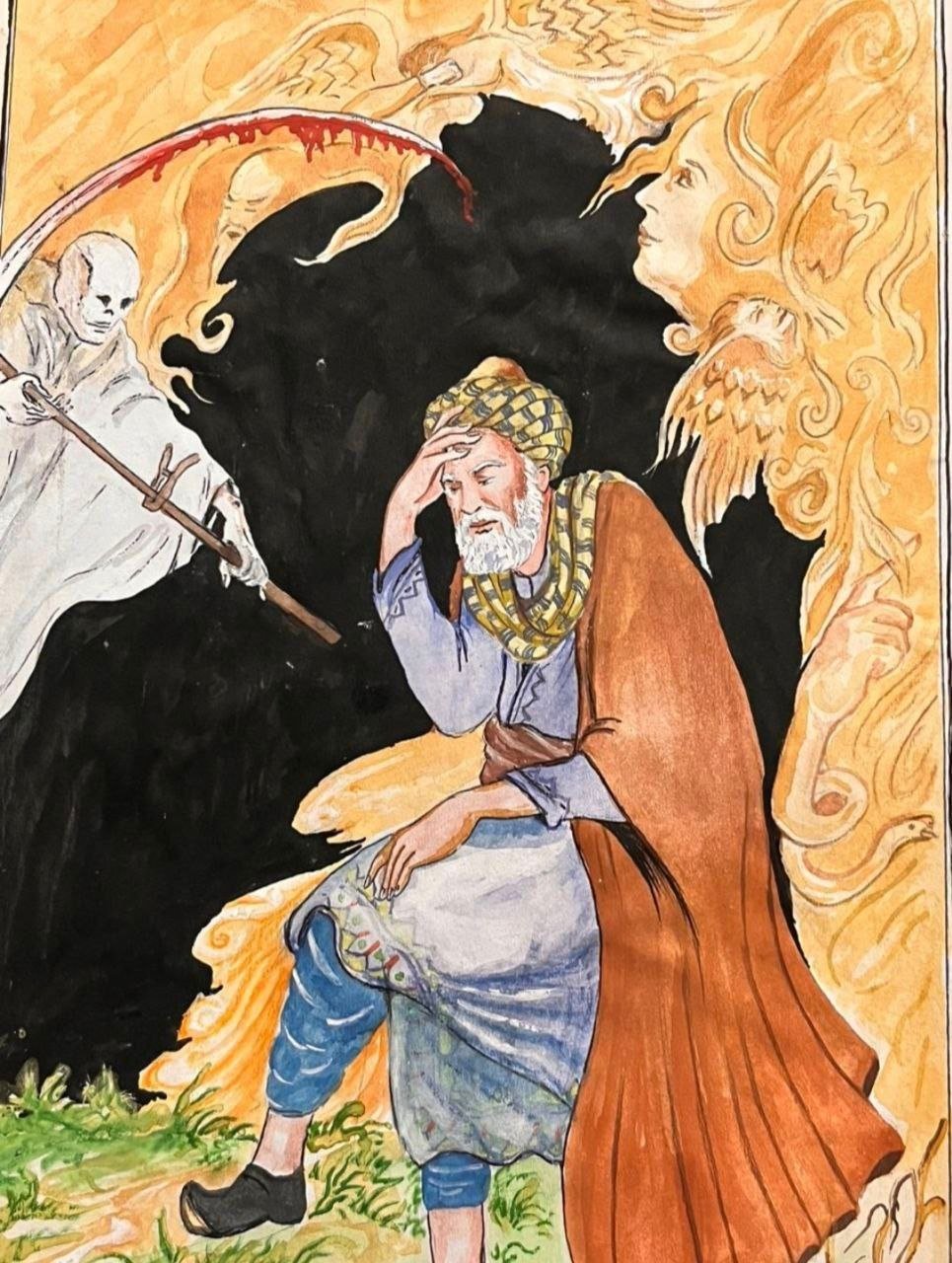
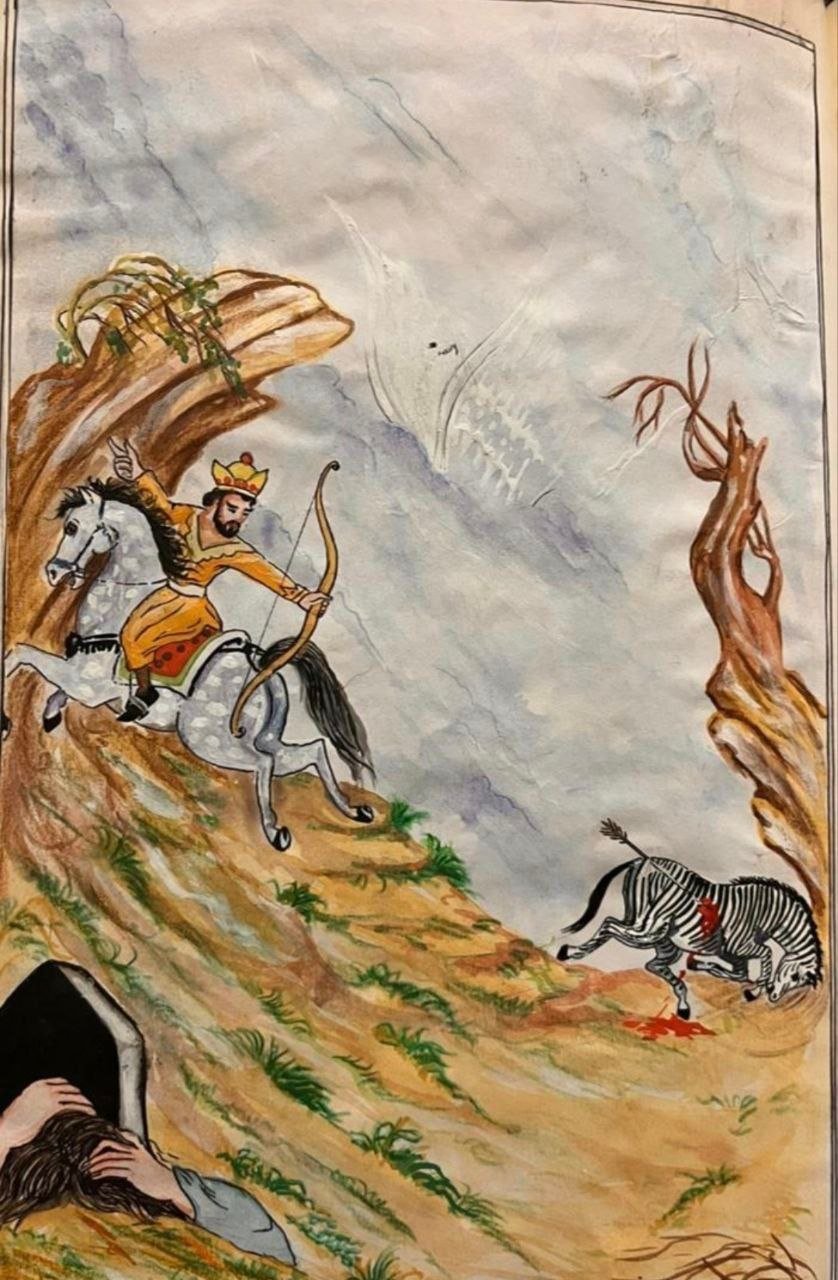
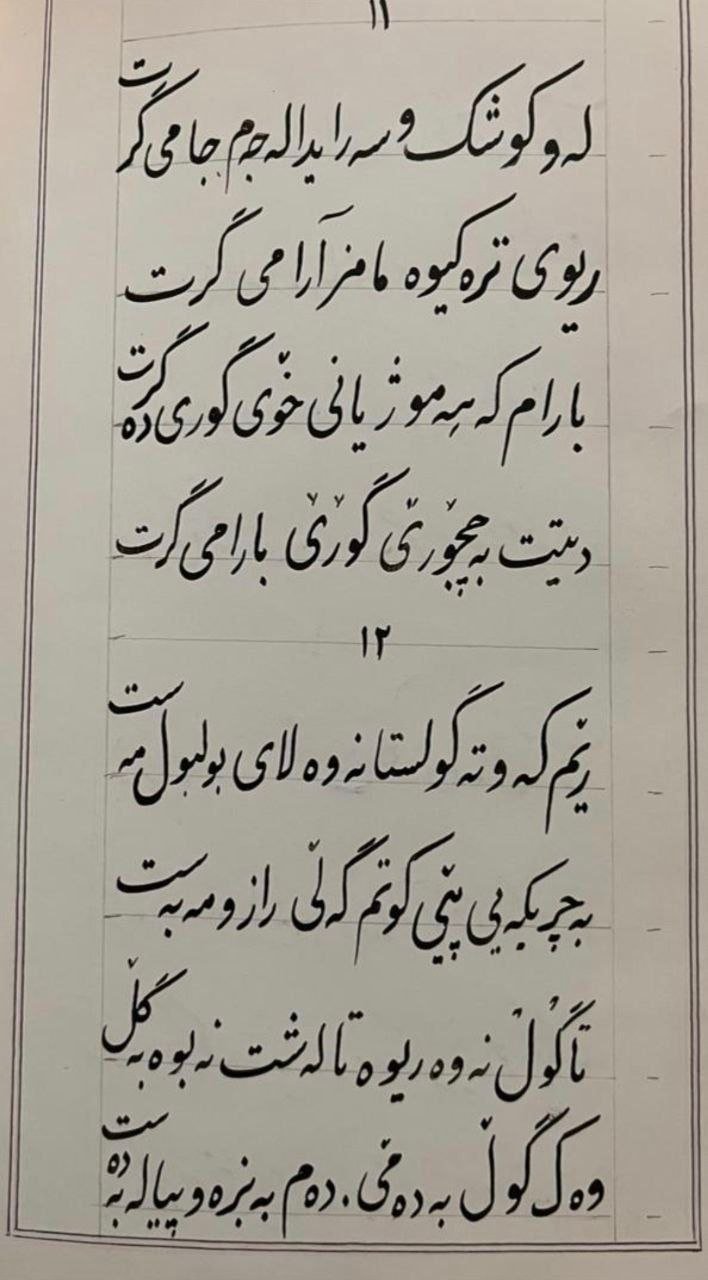
"Pire Helo" (The Old Eagle), and his poetic response to Mamosta Hemin’s "Rawe Barazi." Several of his poems were transformed into songs by legendary artists Mohammad Mamle and Aziz Sharokh. His collected Diwan (poetry collection) is currently prepared for publication. Authorship and Social Influence In prose, his most significant work is his autobiography, originally titled My Experiences and Memories, which was later published under the title Rozhgari Win Buu (The Lost Days). Socially, Rahman Qazi was a beloved and prominent figure in Mahabad and the Mukriyan region. He was a mediator who played a constructive role in resolving community disputes. Following the 1979 Revolution, his integrity earned him the trust of both the public and political factions, allowing him to navigate complex regional issues with a focus on the people's best interests, often at great personal risk. His close friendships with Kurdish intellectuals, particularly his deep bond with the poet Hemin Mukriyani, made him a mainstay of literary and artistic circles. His insights frequently enriched these gatherings, and he and Hemin often referenced one another in their poetic works. Final Years On March 14, 2008 (24 Esfand, 1386 SH), at the age of 83, Mamosta Rahman Qazi passed away due to heart failure at Taleghani Hospital in Urmia. He was laid to rest in the Cemetery of Poets and Artists in Mahabad, leaving behind a legacy of art, literature, and devoted service to his people.
ئەوەش چەند وێنە لە عەبدوڕەحمان قازی