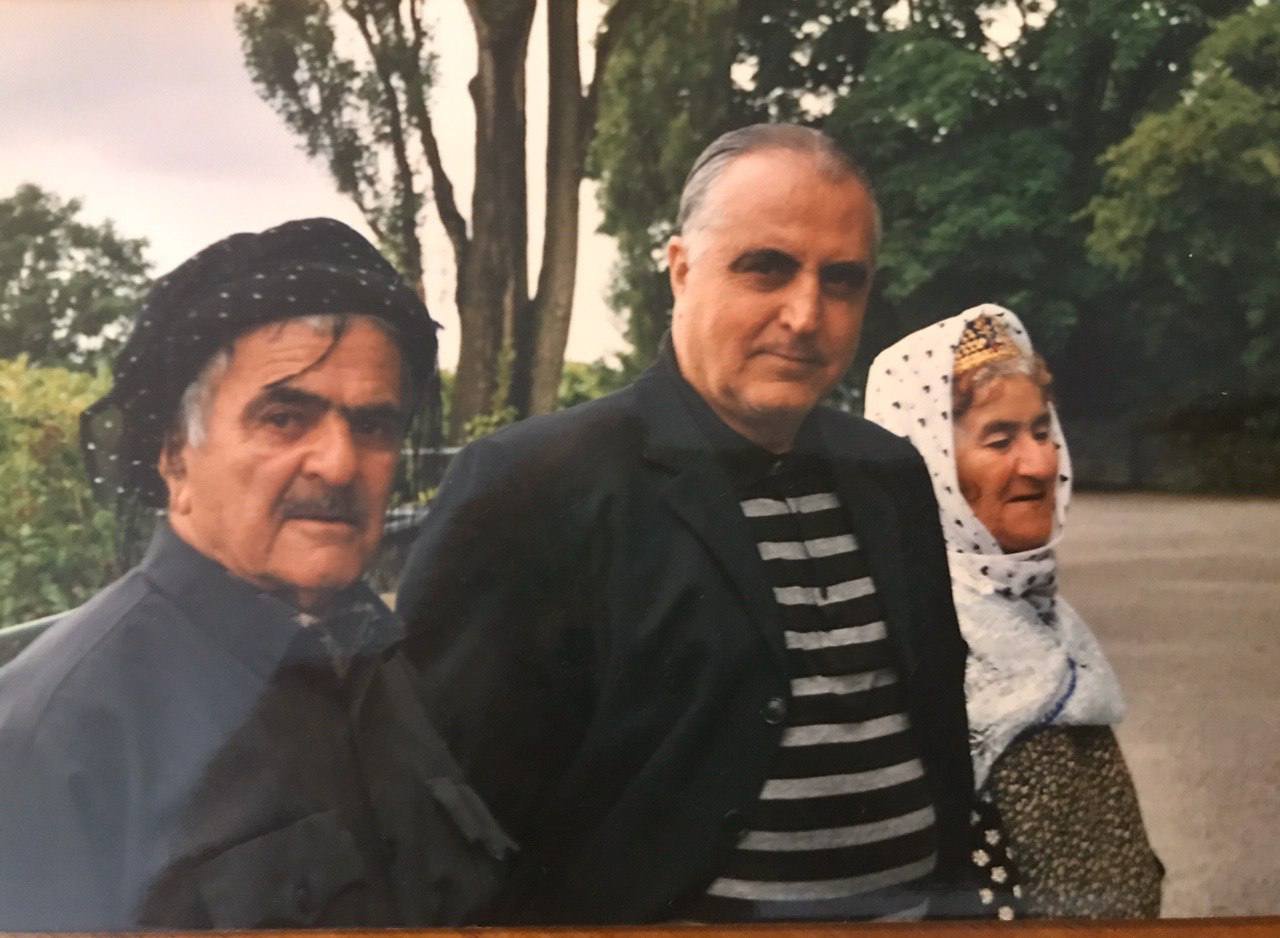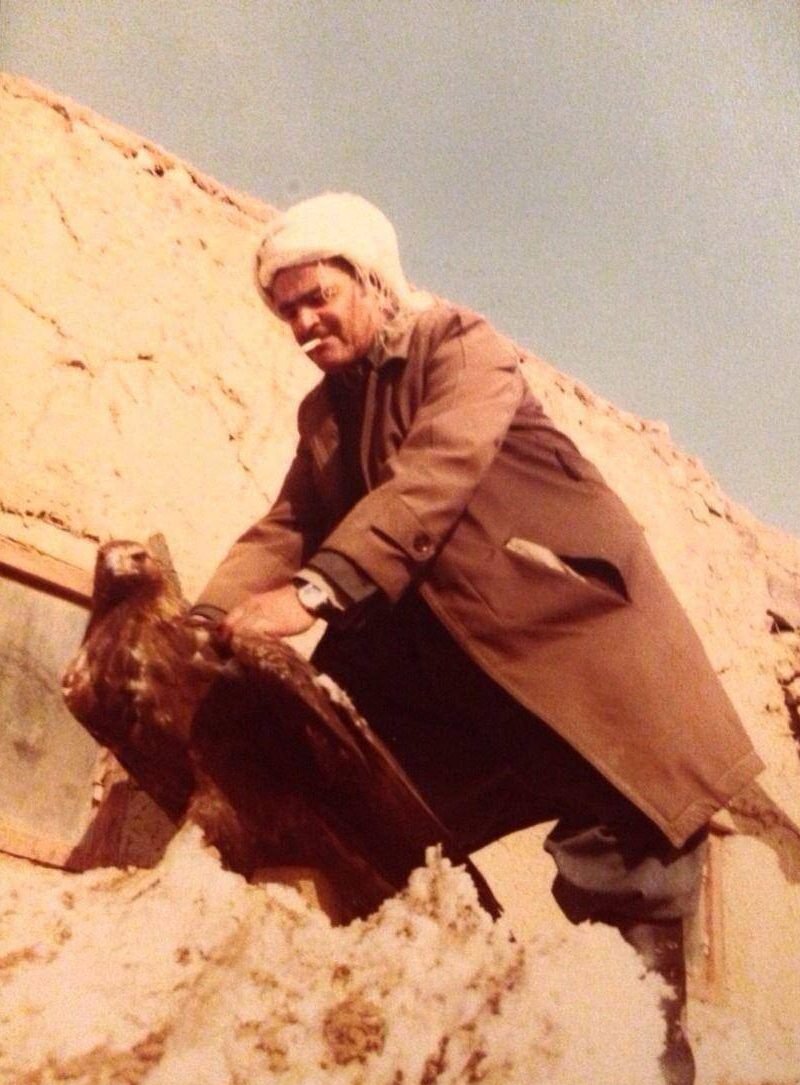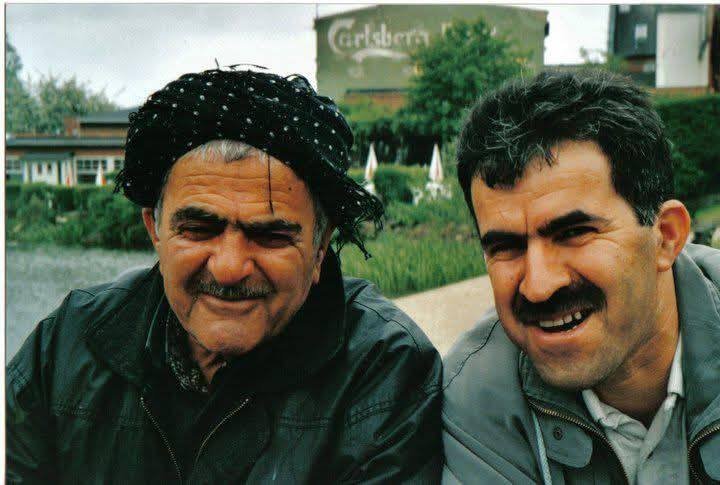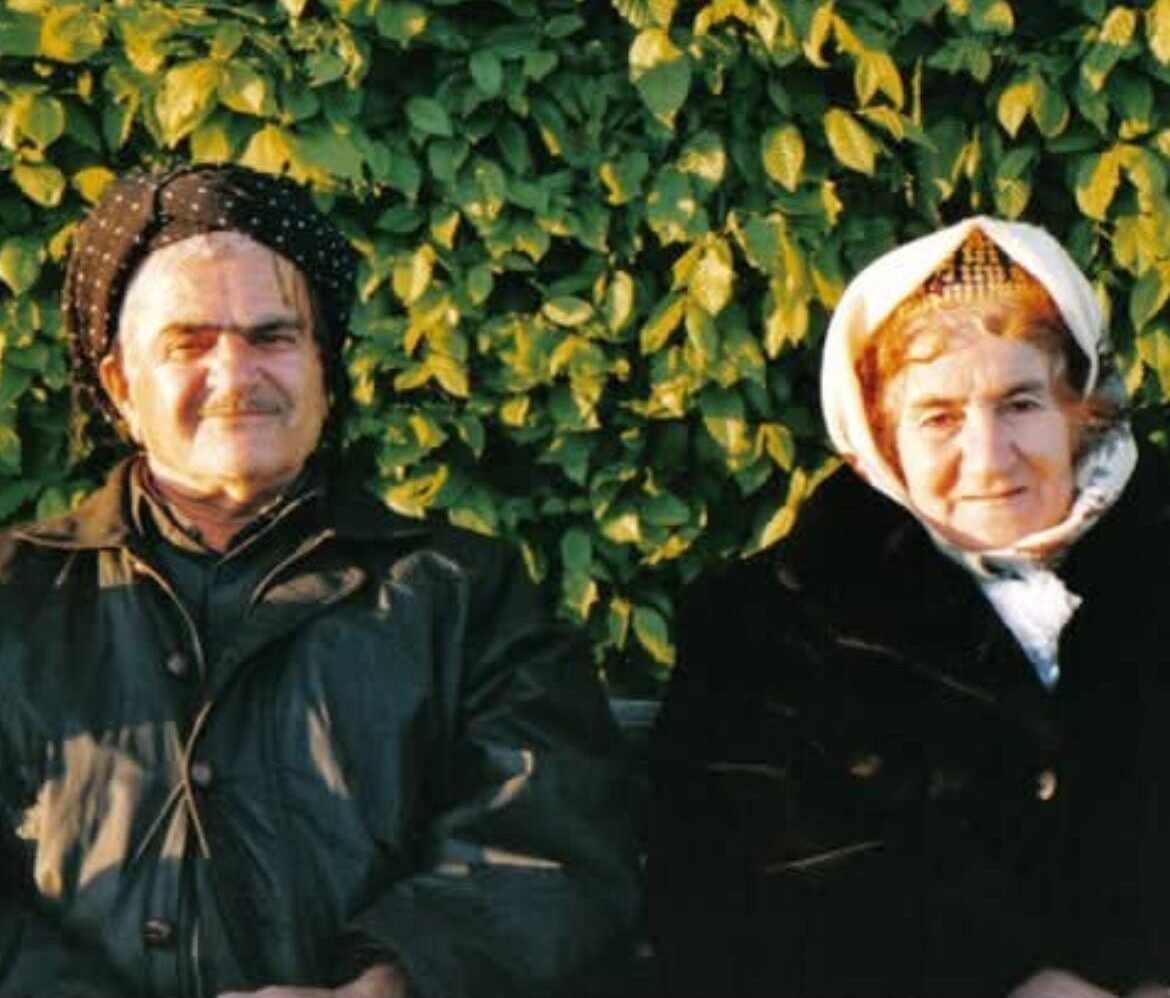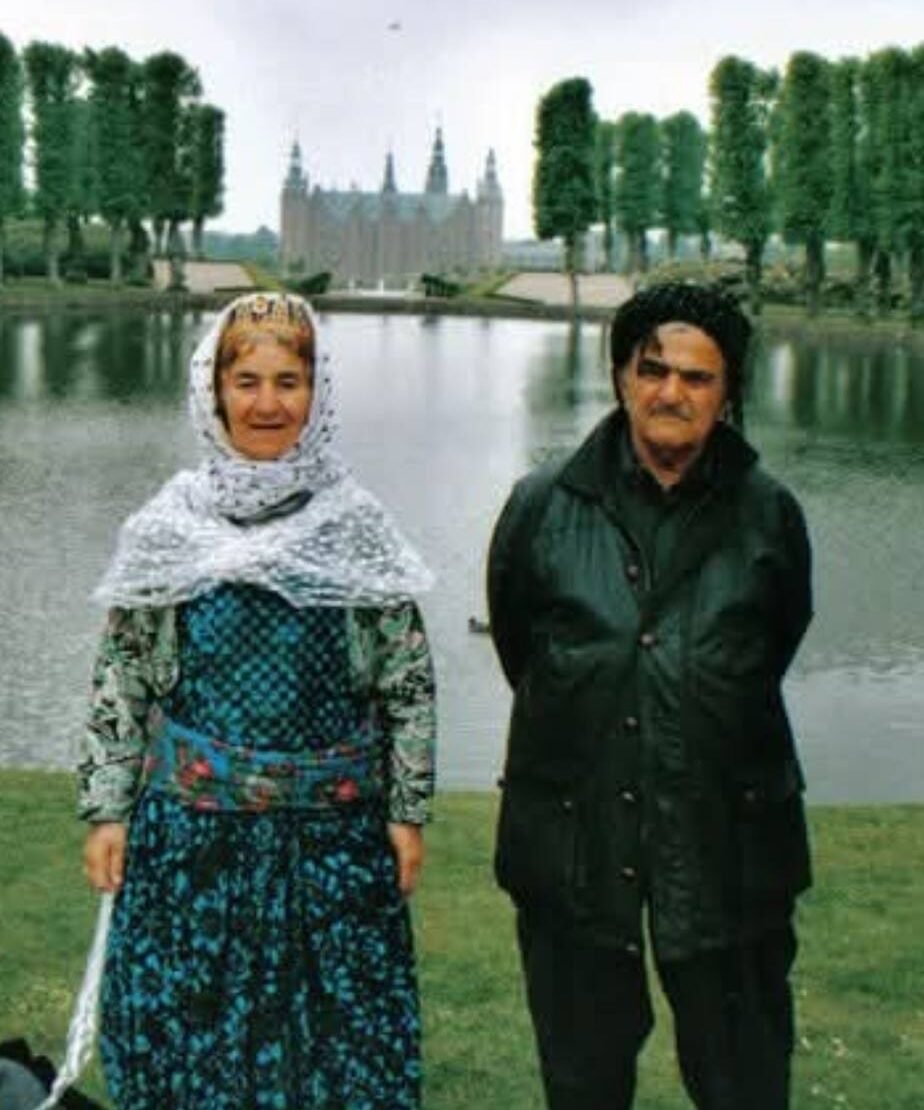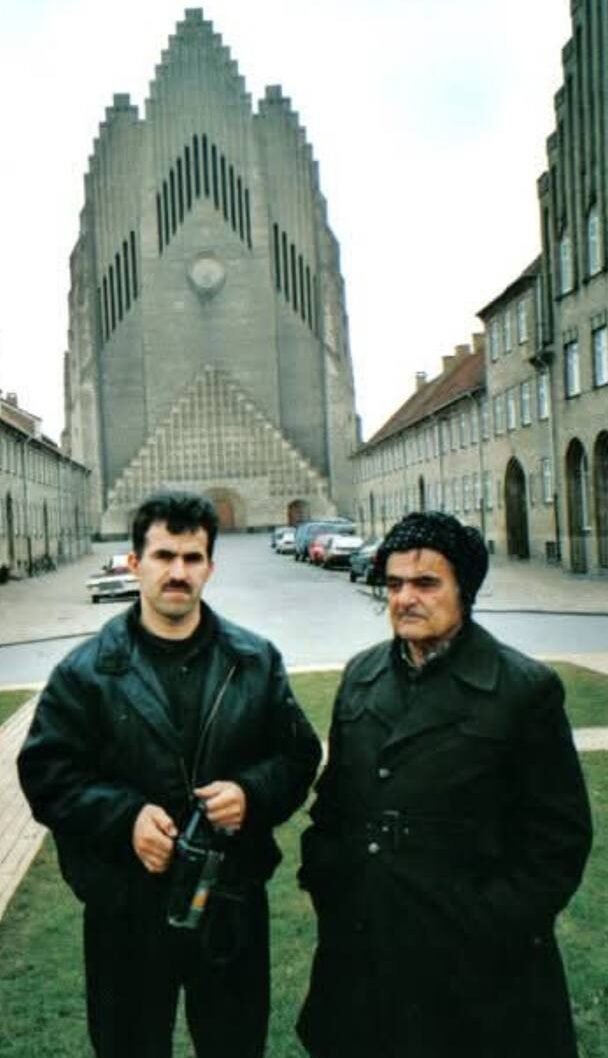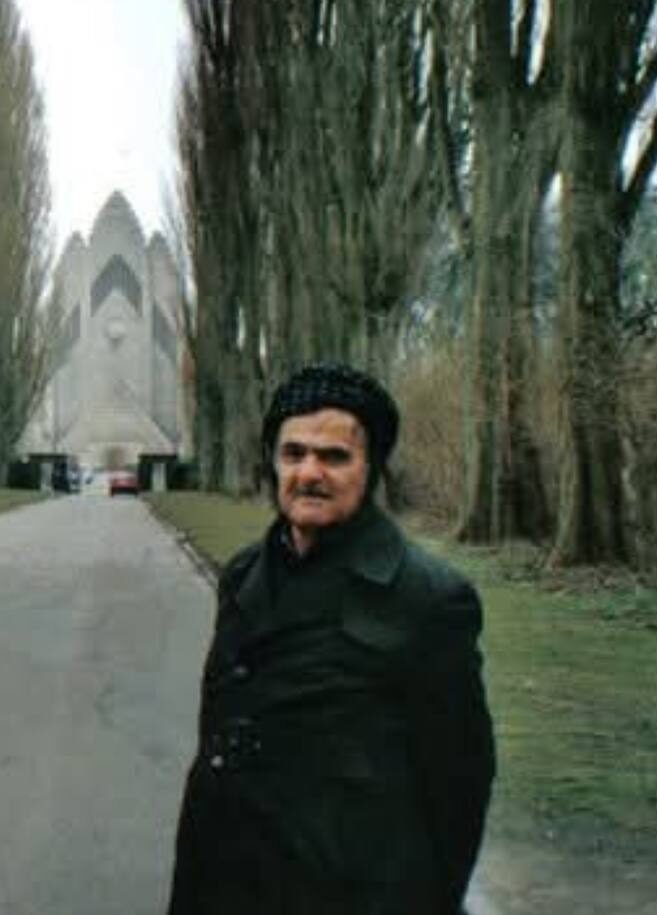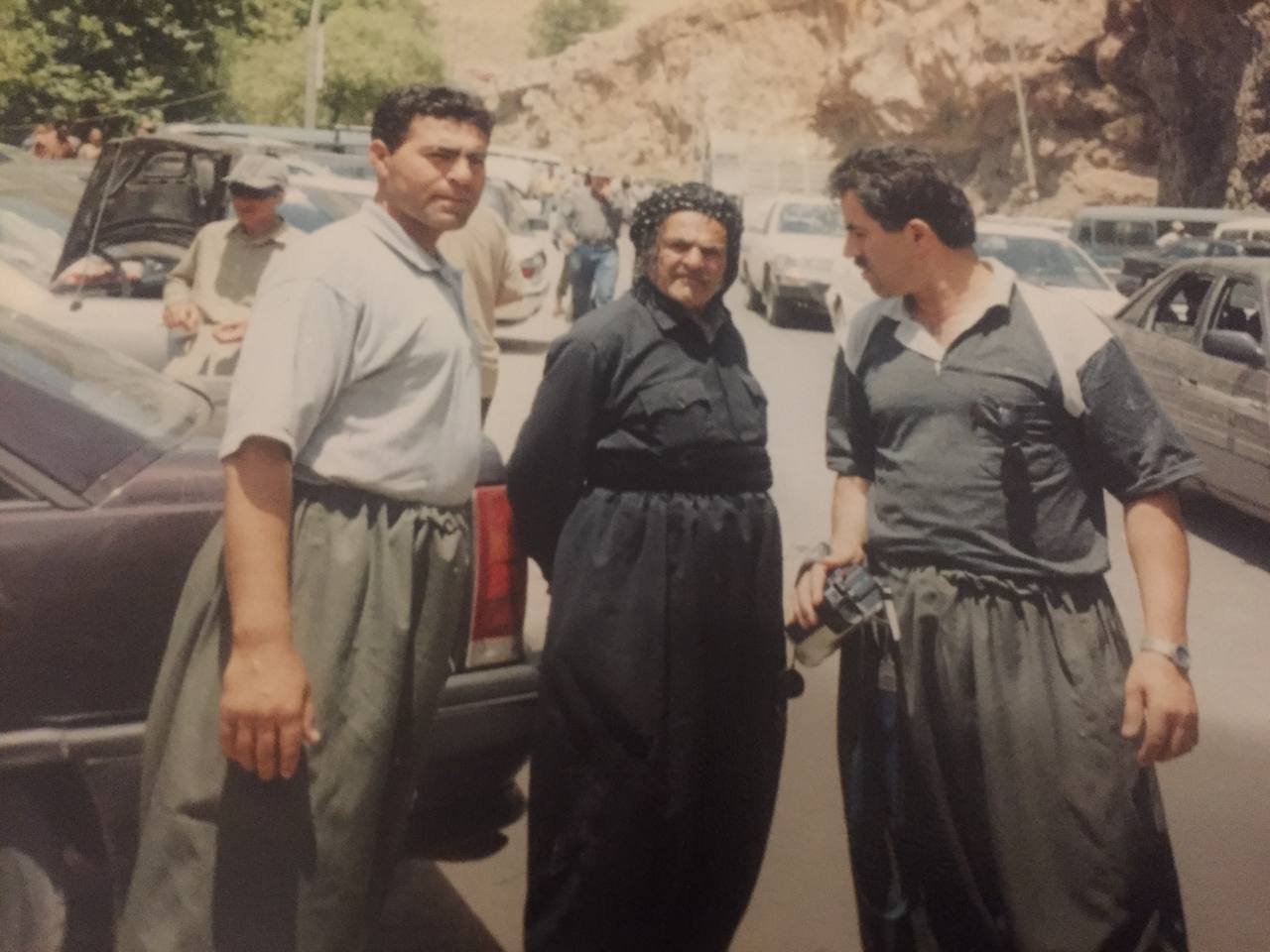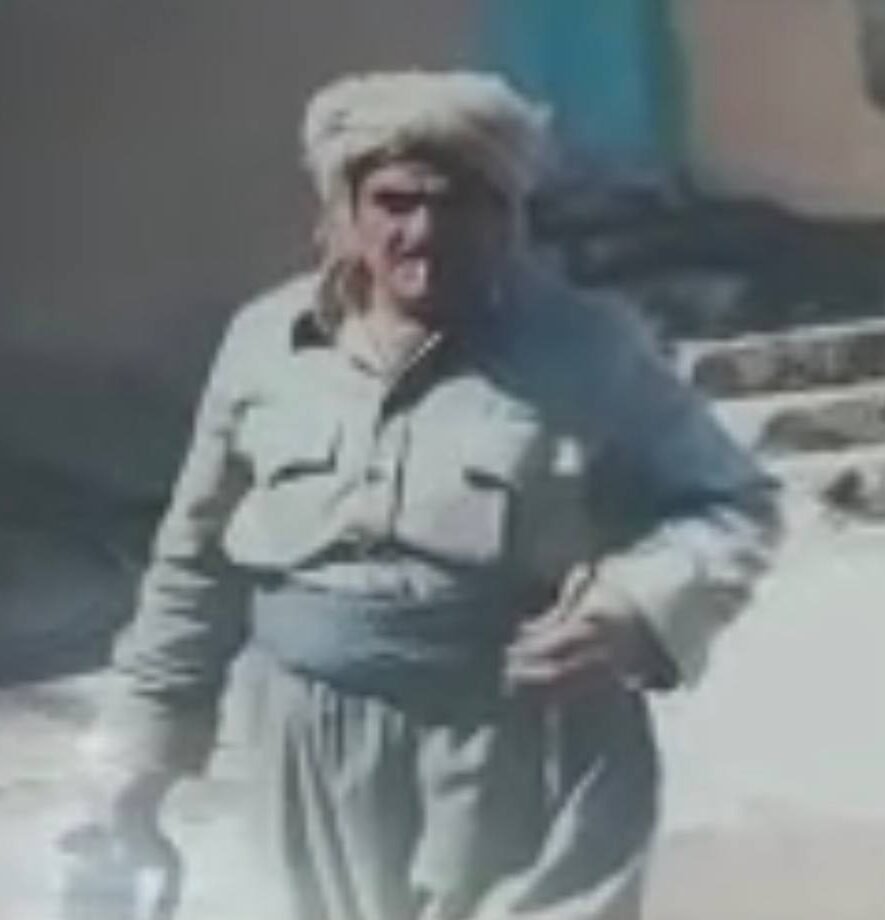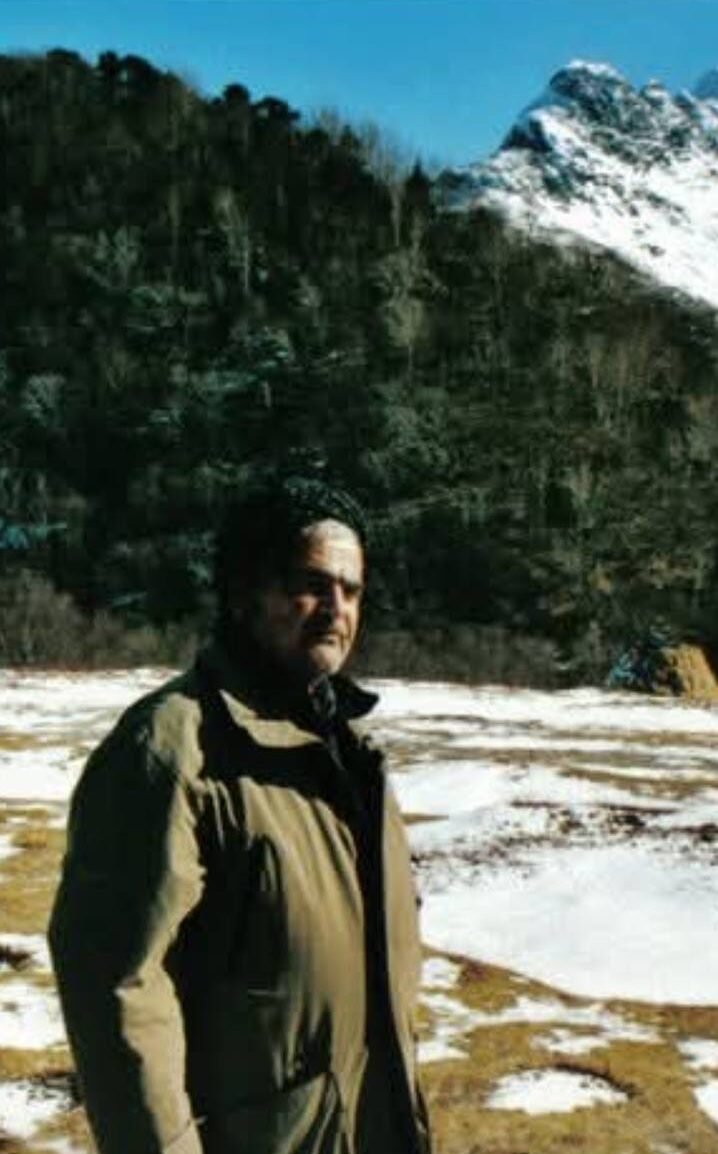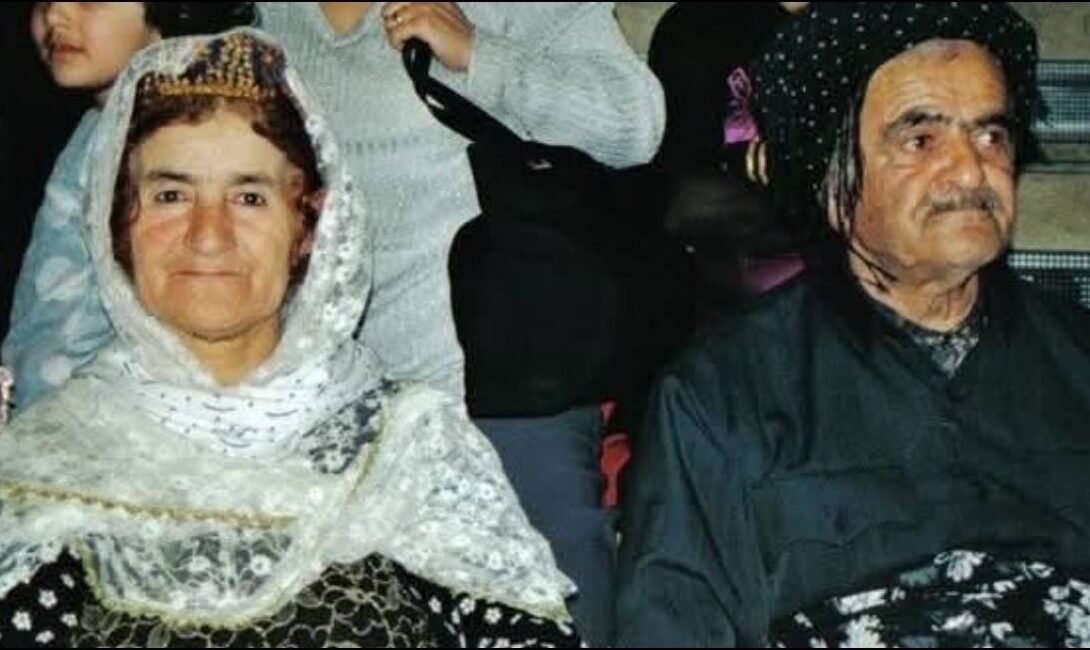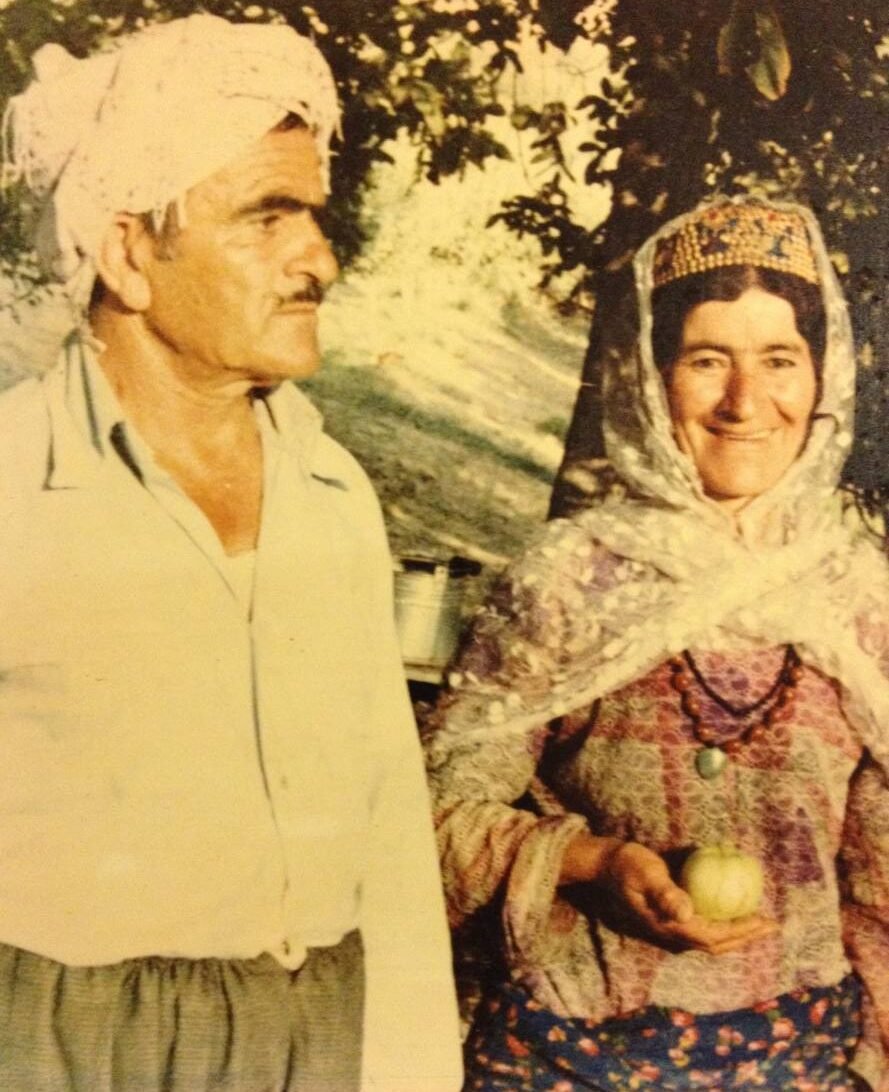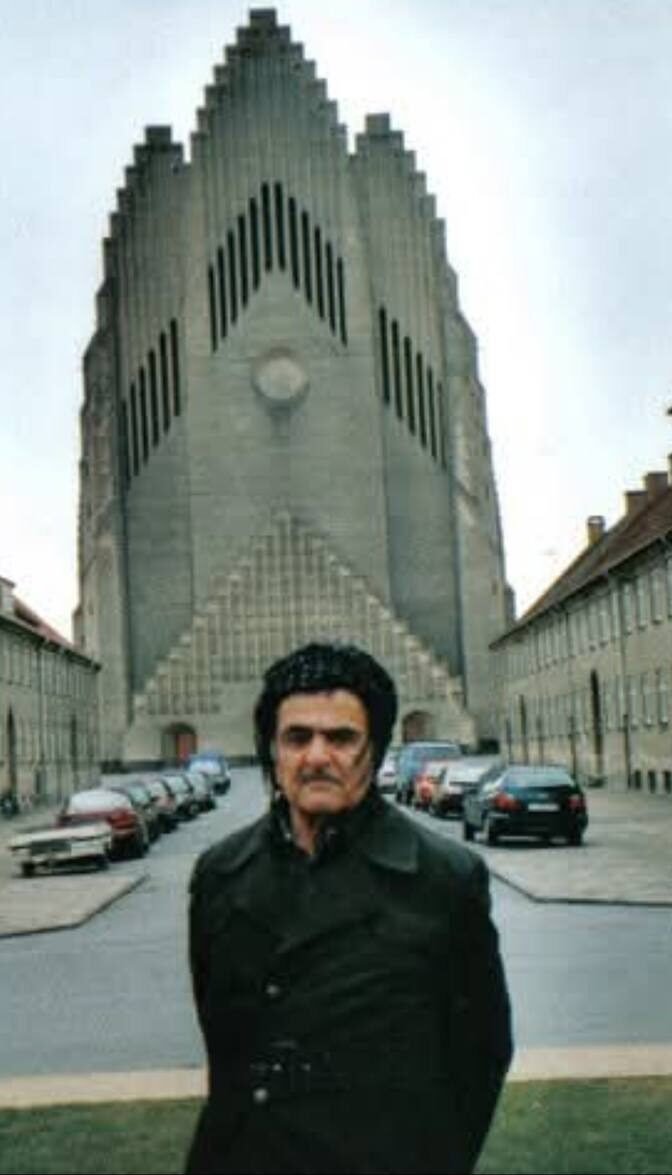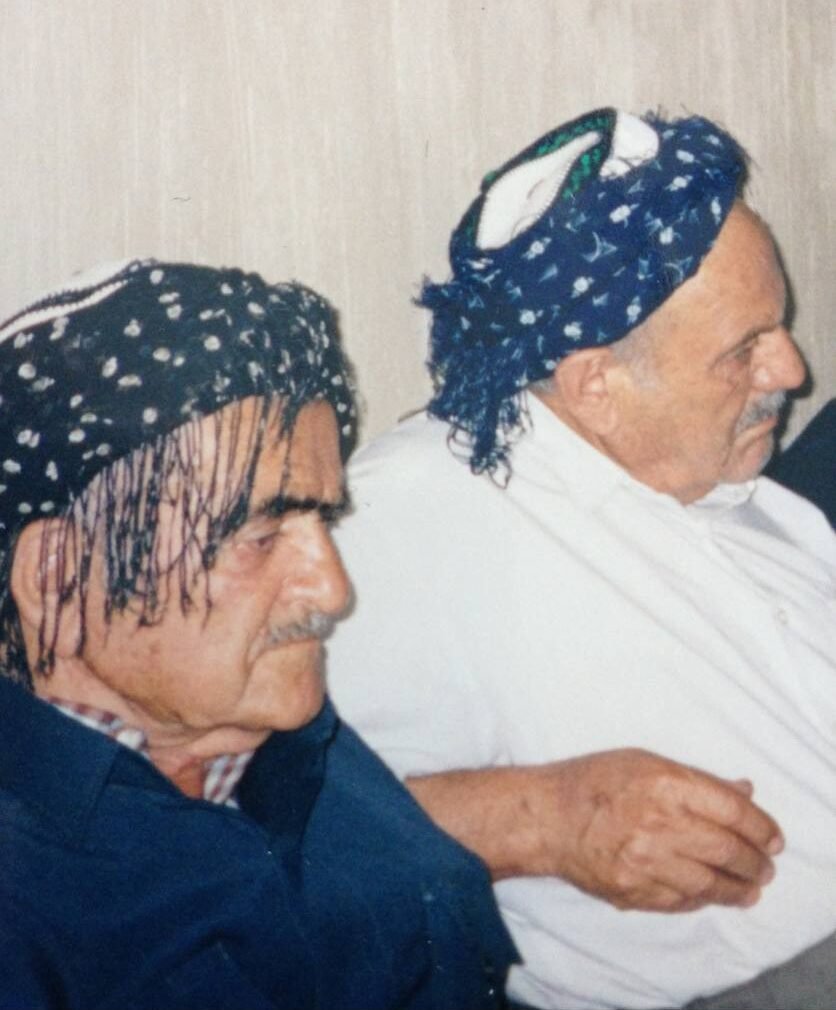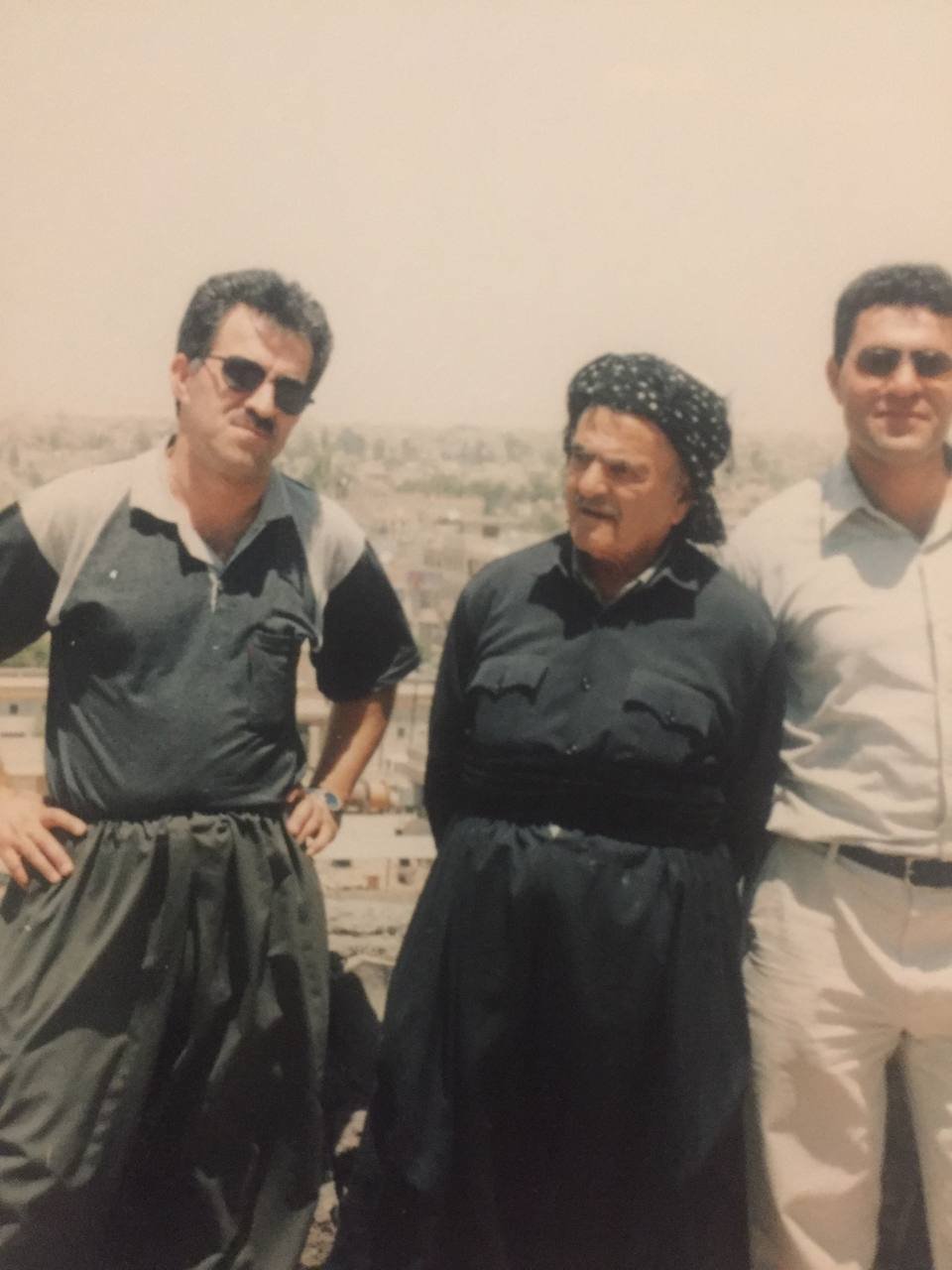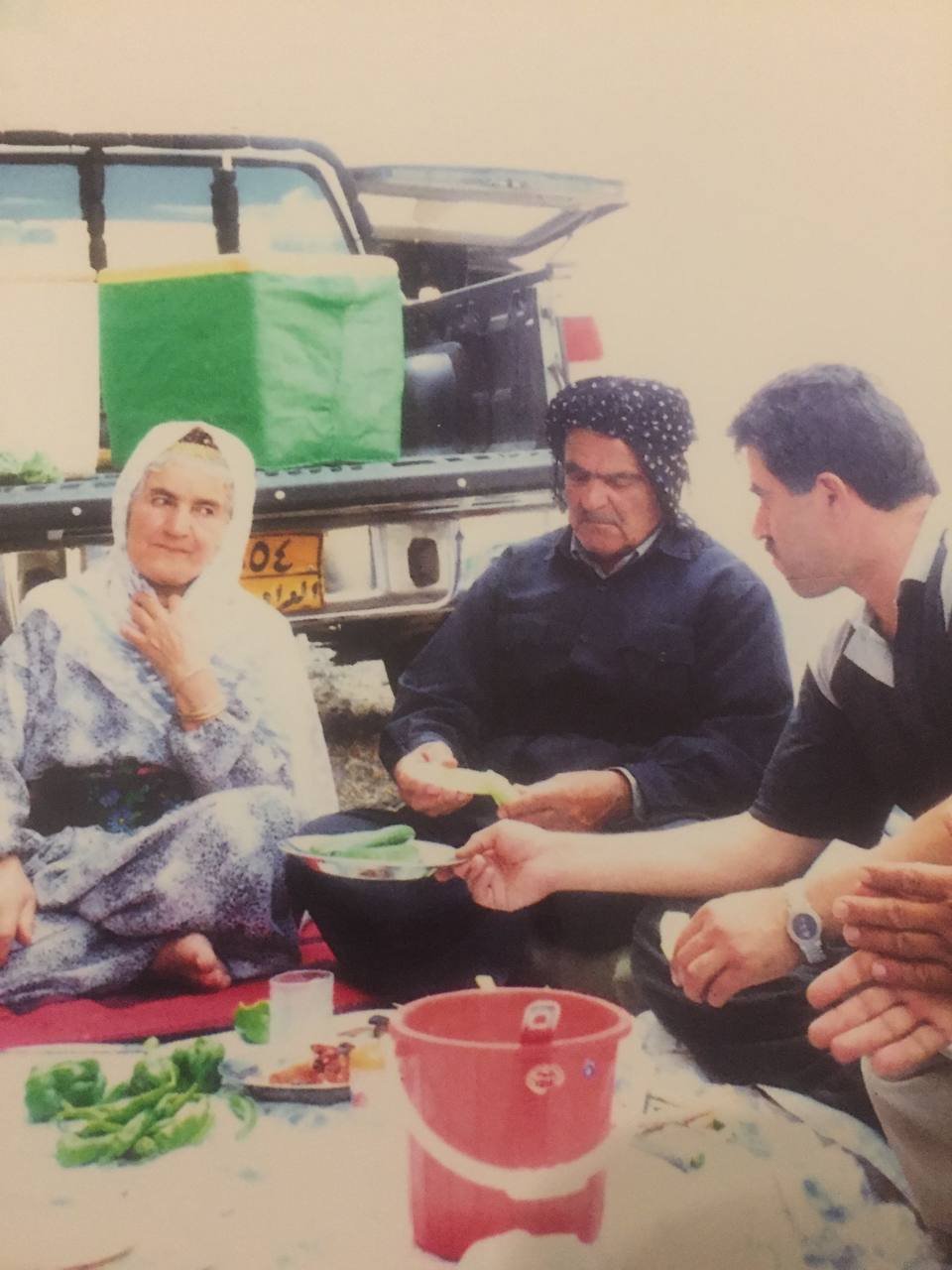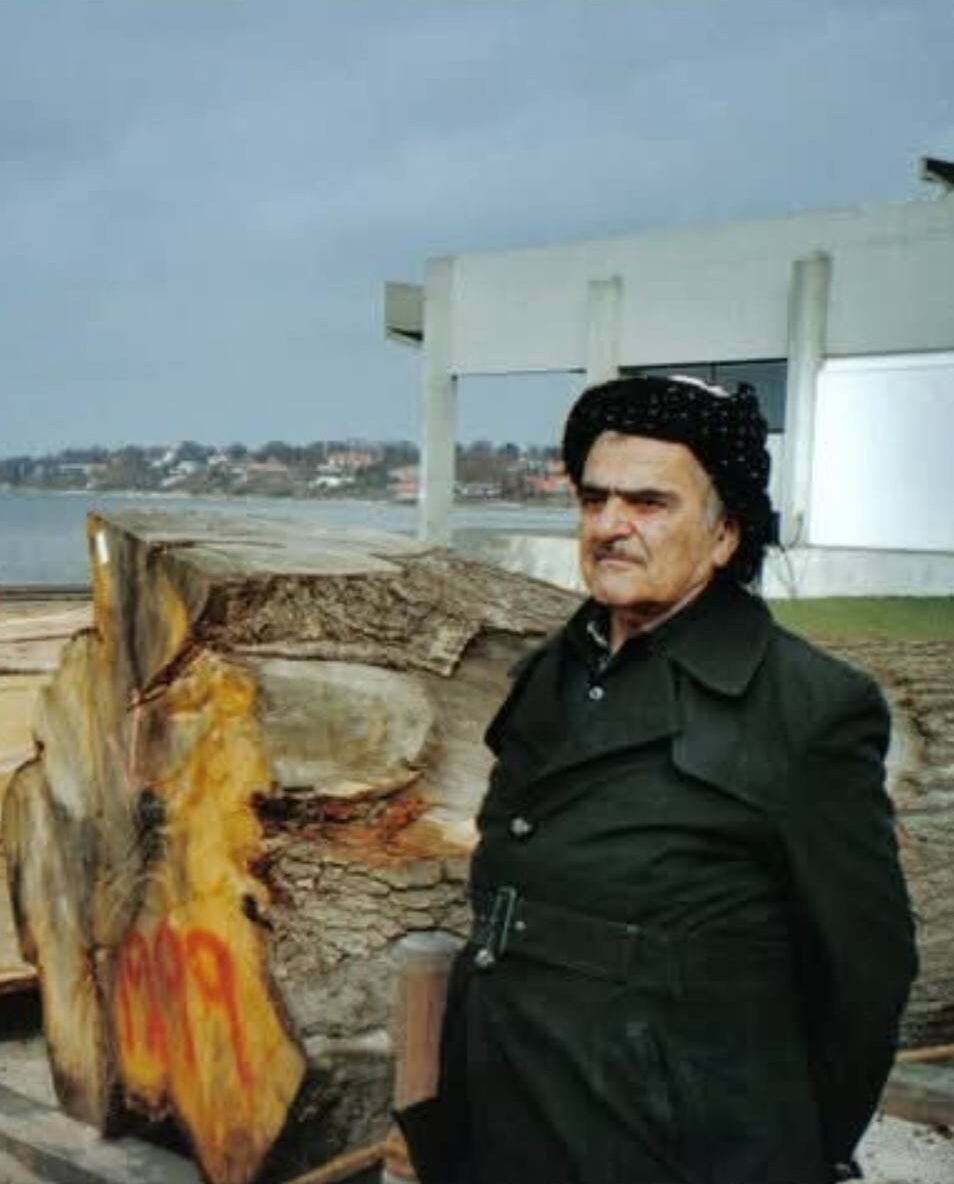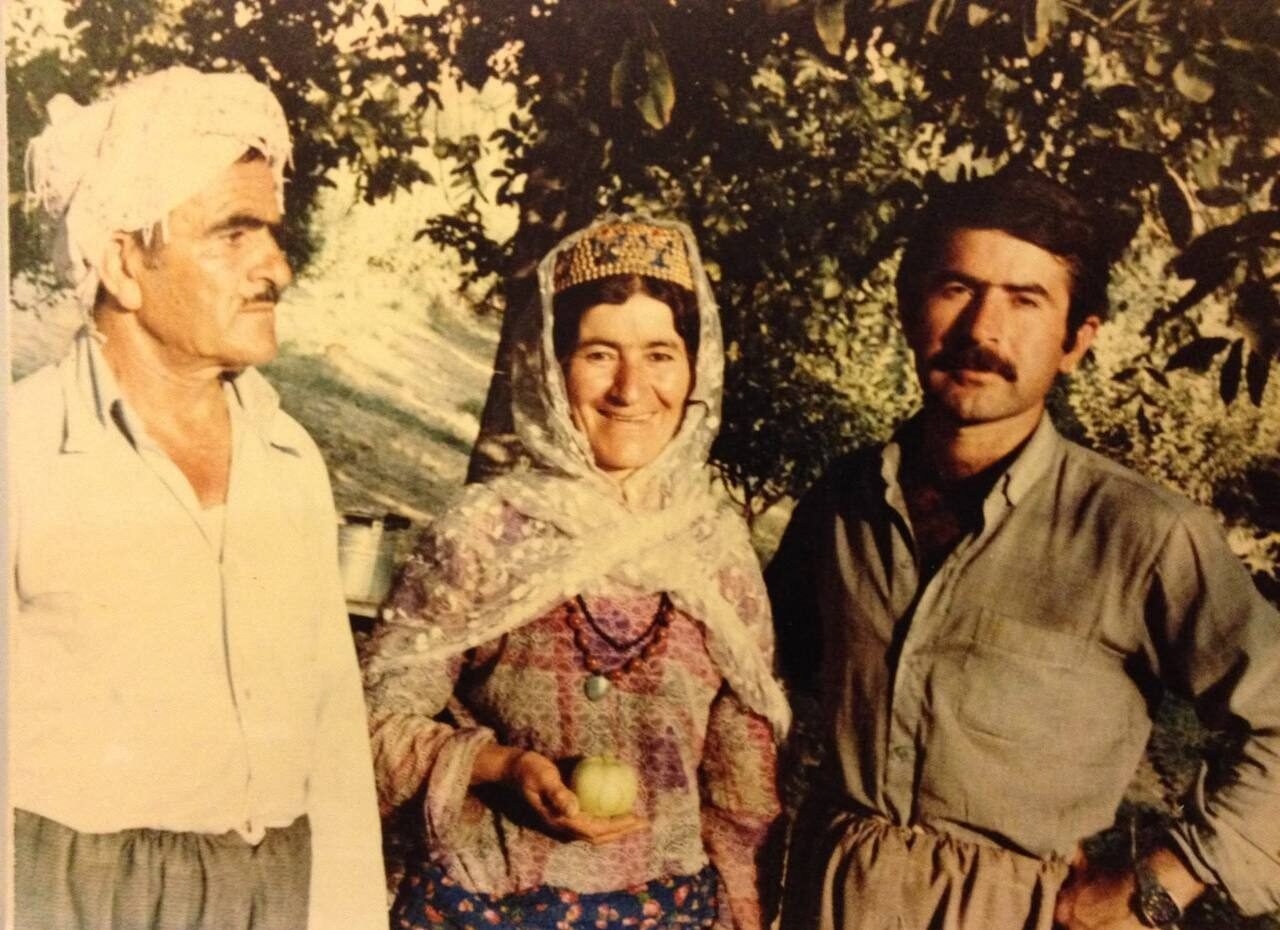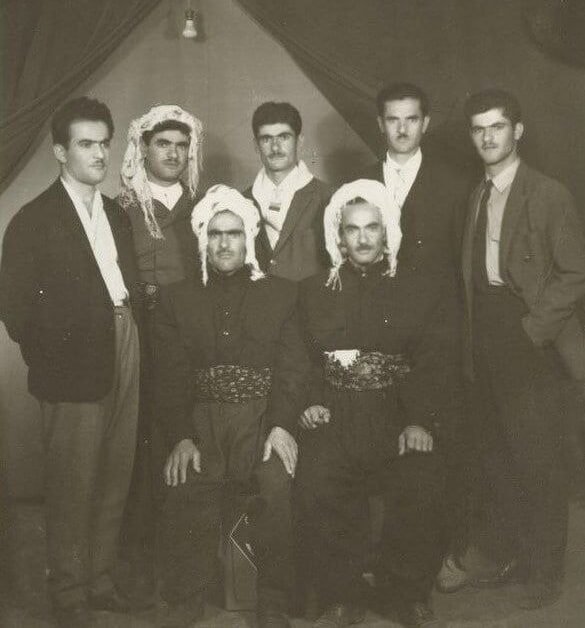
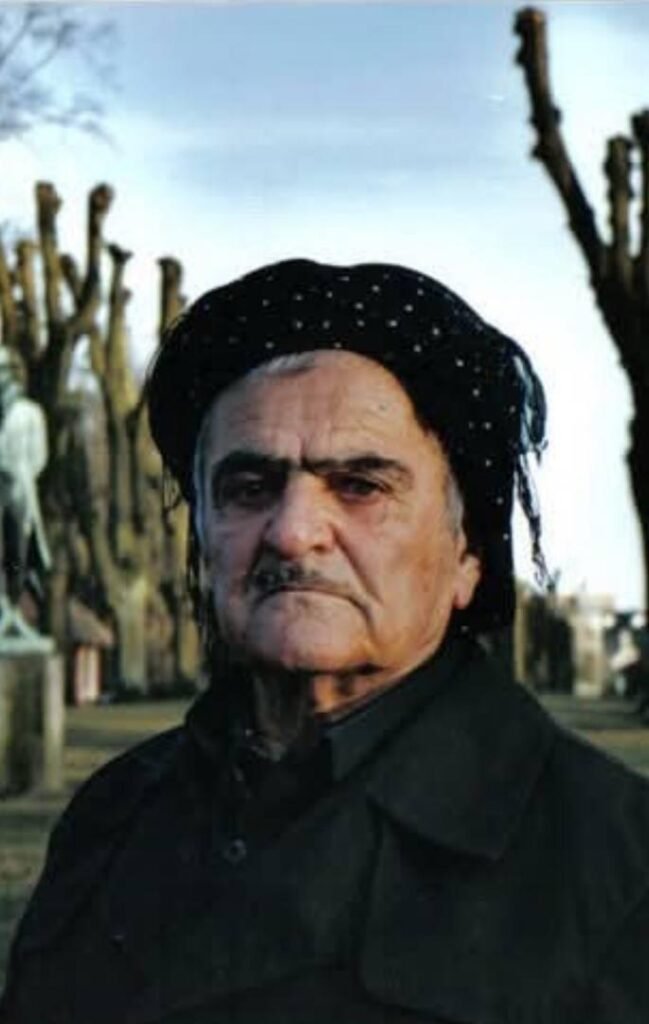
Abdullah Qazi, son of Haji Qazi Karim, son of Qazi Mon’im, and whose mother was Haji Hajera Khanom Rahimi, daughter of Mullah Ali Rahimi Qazi, was born on the 6th day of the month of Khakeliweh in the year 1304 Solar Hijri (1925 CE) in the city of Mahabad. Abdullah Qazi completed his primary education at the Sa’adat School in Mahabad. During the period of the Republic of Kurdistan, he became a member of the Youth Union of the Kurdistan Democratic Party. In accordance with the tradition of this Union, he swore an oath on the sacred flag of Kurdistan that he would remain loyal to the path of the leader Qazi until his last breath and would defend the homeland. Abdullah actively participated in the duties and responsibilities during the time of the Republic of Kurdistan. At that same time, along with 33 other young Kurds, he was sent to Tabriz in the Azerbaijan Republic to receive military training of that era. It did not take long before, due to international and regional political conditions, along with the plans of Qavam (the then Prime Minister) and with the cooperation of Stalin, both the Republic of Kurdistan and the Republic of Azerbaijan came to an end. After the fall of the Azerbaijan Republic and the Iranian army’s attack on the region, Abdullah personally and with his own eyes witnessed the brutal massacres and killings carried out by Iranian forces in Azerbaijan. With great difficulty, he and a few Kurdish comrades managed to escape the massacre and return to Mahabad. Upon his return, he also witnessed the collapse of the palaces and fortress of the Republic of Kurdistan — a republic in whose creation and development he himself had played a role. After completing his military service, Abdullah Qazi married Zinat Khanom Karimi Qazi, daughter of Mirza Masoud. The fruit of their married life was 9 sons and 4 daughters, named: Amina, Roghayeh, Jamila, Ronak, Fattah, Qasim, Karim, Ali, Rashid, Luqman, Rasoul, Salah, and Ismail. Zinat Khanom was not only a devoted wife but also a strong supporter and close companion to Haji Abdullah in all aspects of his life. It was thanks to this capable and wise wife that their children were able to grow up well and receive education despite the hardships and lack of facilities of that time, especially in village life. A significant part of Haji Abdullah’s work and services for the Kurdish movement was carried out under the supportive shadow of Zinat Khanom. After the collapse of the Republic of Kurdistan and the disintegration of the Kurdish political structure, Abdullah did not give up. He once again became active in the movement of the years 1366–1367 Solar Hijri (1947–1948). His house in the village of Konadeh became a base for Peshmerga fighters and freedom seekers. With all his strength, he spared no effort in providing financial and humanitarian assistance to the movement. Because of this, he was interrogated dozens of times in the harshest manner by the Second Bureau of the Iranian Army and the Gendarmerie. These pressures reached such a level that he was even arrested and tortured for wearing Kurdish clothing and for possessing a copy of Master Hemin’s poetry collection Tarik u Ron. Following the popular uprising of the Iranian people in 1357 Solar Hijri (1979) and the emergence of open activities by the Kurdistan Democratic Party, Abdullah resumed his struggle and activism. In this path, he supported the party with his home, his life, and every means at his disposal. He remained faithful to the oath he had taken in his youth until the end of his life. His activities were so noticeable that, after decades of close scrutiny by the authorities of that period, his house was looted several times over the course of three years by Iranian occupying forces. His family fell into very difficult living conditions. He himself fled to Southern Kurdistan. After some time, due to illness and old age, he returned and rebuilt his ruined village. At the same time, he continued to assist Kurdish fighters.This led to him being arrested twice during his old age (once for 2 months and once for 6 months) and imprisoned. Abdullah had a distinctive personality: he was meticulous, tireless, hardworking, and passionate about reading, knowledge, exploration, and travel. He had good expertise in religious sciences and was in constant contact and consultation with religious scholars. Most of the time, he would deliver speeches in the mosques of the city and surrounding villages on various occasions. His speeches mostly reflected national and patriotic themes.
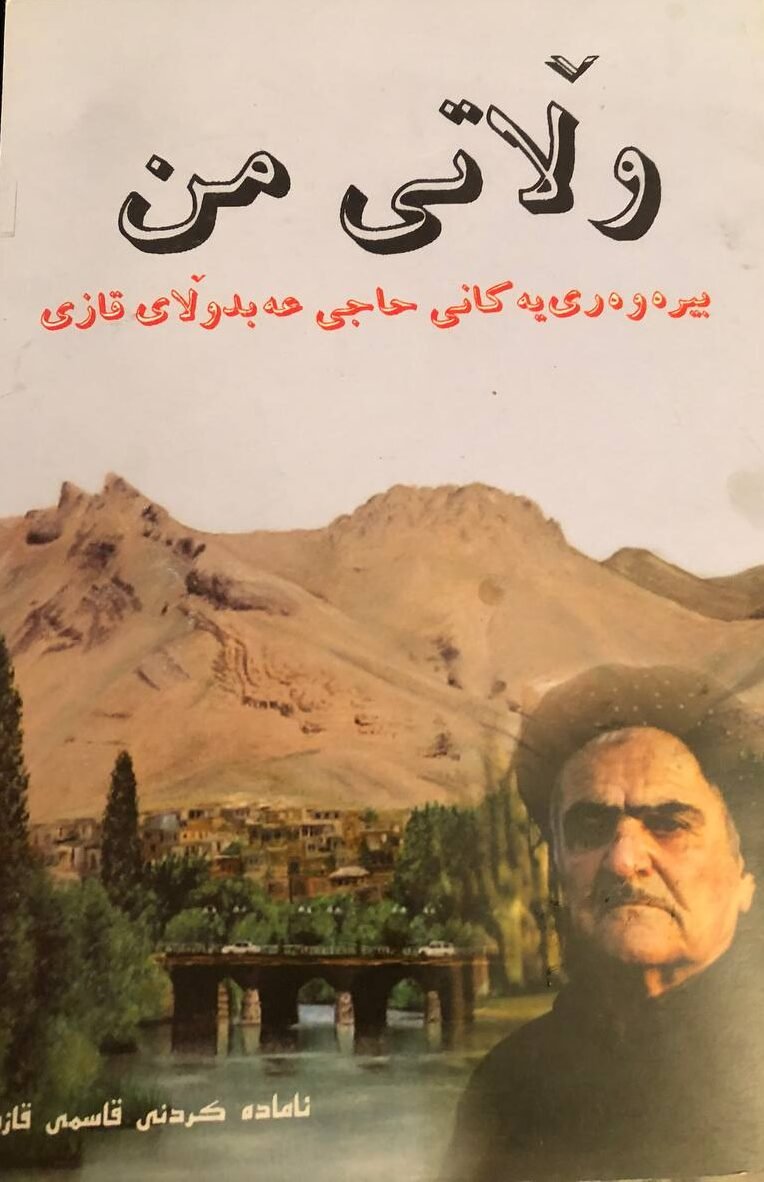
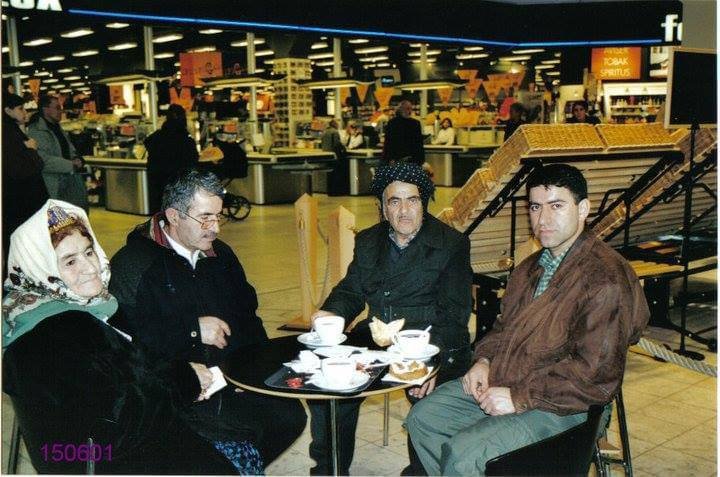
Abdullah Qazi was deeply influenced by the strong personality of his elder brother, Rahman Qazi. Rahman Qazi was a poet, painter, calligrapher, and a prominent social figure in Mahabad. Abdullah often recounted the story of how, by the river Qaziava, when a wild boar attacked Rahman and tried to gore him with its tusks, he was saved by his brother’s heroism. From a distance, Rahman shot and killed the boar with a Brno rifle, thus rescuing him from death. Abdullah Qazi’s personality and life became a source of inspiration for writers such as Kak Siamand Sheikh Aghaei and appear in the writings of many others. Ahmad Qazi, a politician, translator, journalist, and great poet, and the younger brother of Abdullah, wrote the following about his brother on page 15 of the manuscript of the book With the Passage of Time: “Abdullah Qazi first learned basic reading and writing irregularly from the local Mirza and Mullah. Later, in Mahabad, he studied up to the sixth grade of primary school. In his own village, called Konadeh, he became a schoolteacher. Although he did not reach a high academic level, he was an avid and tireless reader. Through reading books on history, literature, geography, and religion, he acquired solid knowledge. He also reached a high level in Quranic studies, religious sciences, and Sharia. He himself supervised the Qazi Mosque and taught Quranic lessons with interpretation and commentary to students, running an excellent class. All of this enabled him to have his own independent opinions and to speak on various events. In addition to these qualities, he was passionate about agriculture, trees, and orchards. With all his energy, he was busy developing and reviving the greenery and natural beauty of the fields and farmlands of his village. His love for the religion of Islam and his commitment to this faith was another dimension of his personality. Accordingly, he performed the pilgrimage to the House of God twice. He was generous and open-hearted and never hesitated to help the poor and the needy. Furthermore, Abdullah’s patriotism had such an impact on the entire family that he and his sons willingly bore the heavy burden of the struggle and, in doing so, faced great difficulties and dangers. In 2001, Abdullah Qazi made a trip to Europe. With the help of his son Qasim, this journey became the occasion for the creation of a historical and literary masterpiece. During his stay in Europe, the book My Homeland was born. It consists of the memoirs of Haji Abdullah’s life and, at the same time, an important part of the history of the Mukriyan region. My Homeland recounts in detail the story of Ismail Agha Simko and the events of the First World War. It also covers the period of the Republic of Kurdistan up to the days of the Iranian Revolution and the wars and sufferings of Kurdistan. During a trip to the city of Erbil, the capital of the Kurdistan Region, when Abdullah Qazi saw the Kurdish flag flying everywhere, his eyes filled with tears. He respectfully brought one of the flags down, kissed it, and said: ‘I am happy that before my death, I have seen it raised and waving over a part of Kurdistan’s soil.’ Finally, Haji Abdullah Qazi closed his eyes forever on the 22nd of the 5th month of 1388 Solar Hijri (corresponding to 2009) at the age of 85. He was buried in the cemetery of the Khanegah of Sheikh Burhan. Haji Abdullah’s passing left a great sorrow for his relatives and loved ones.