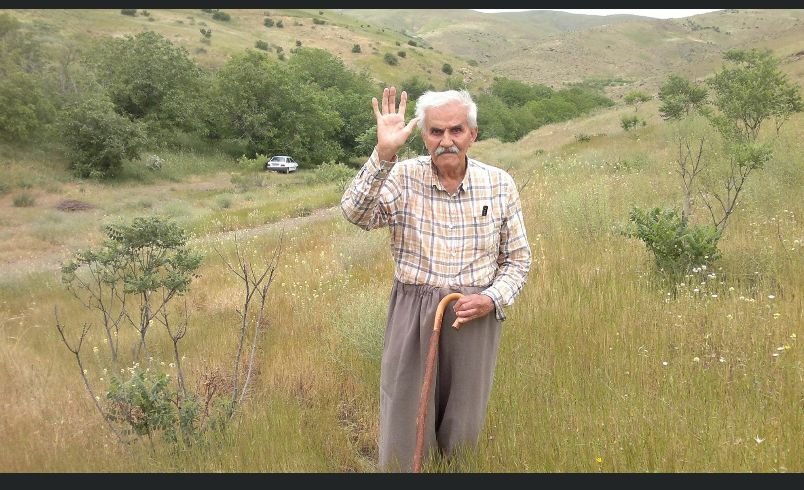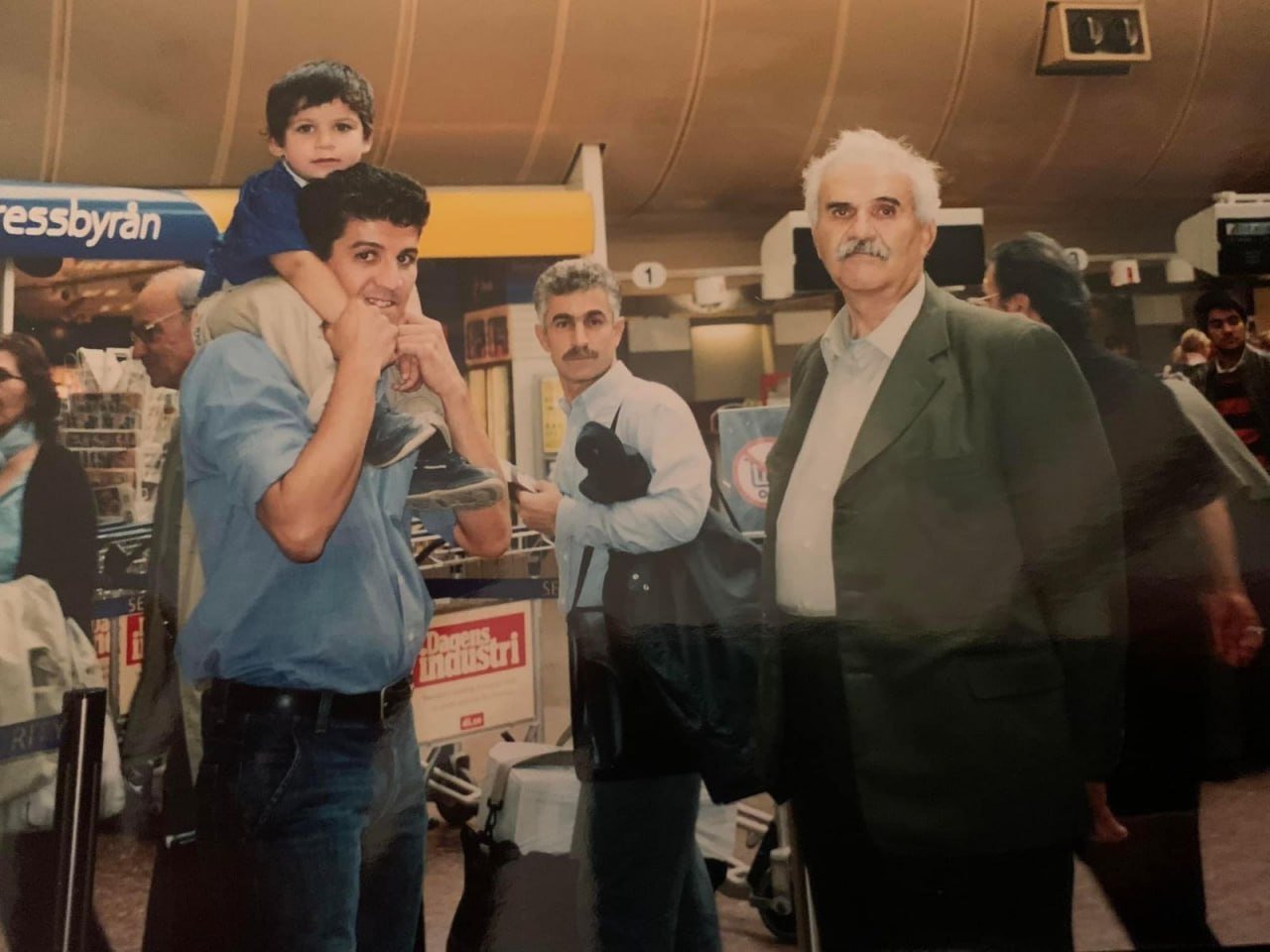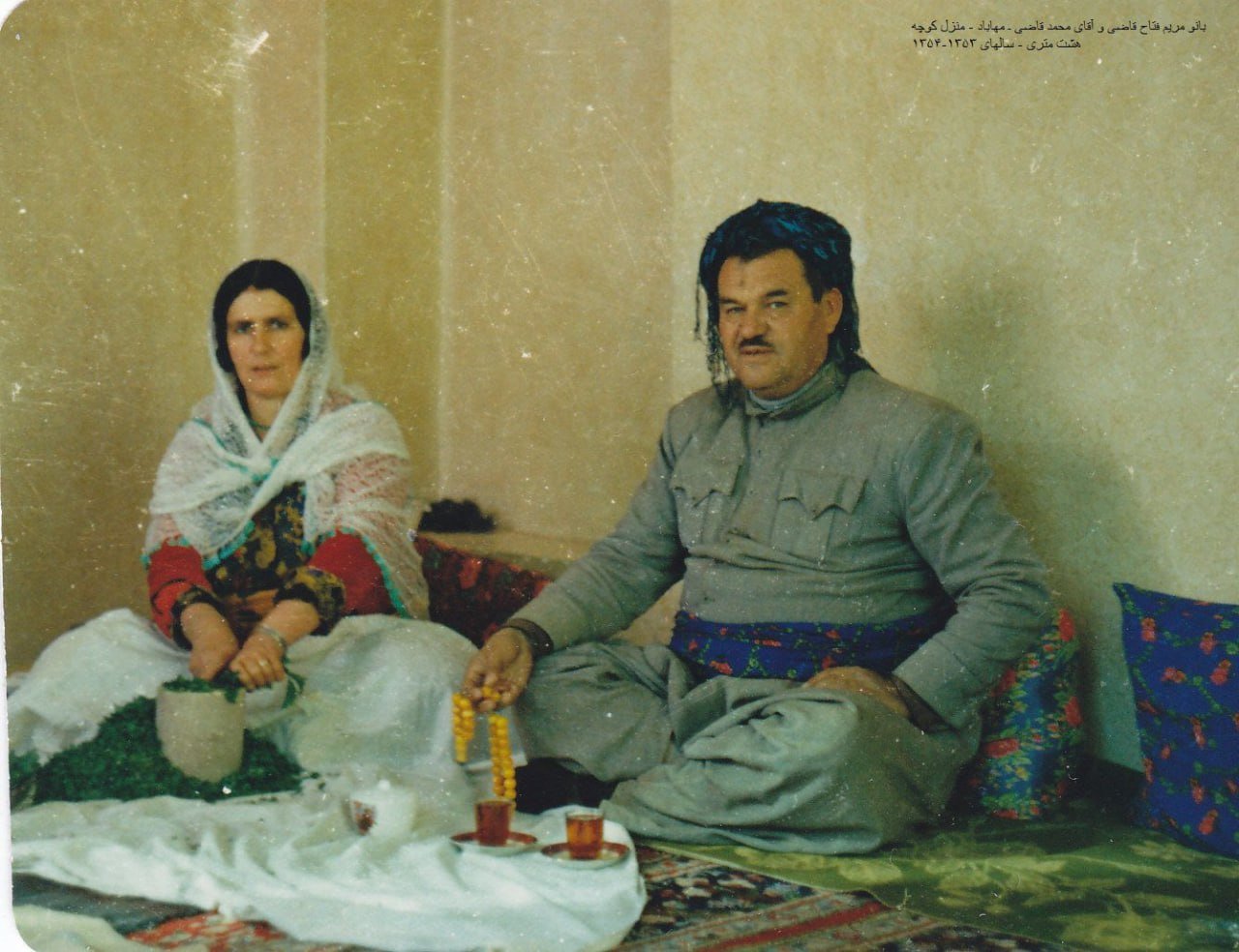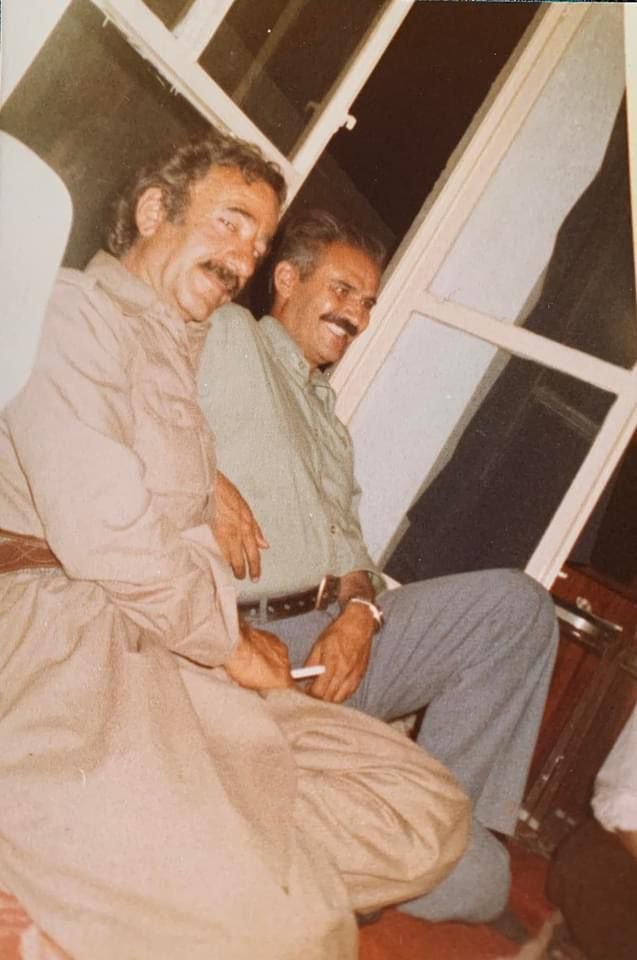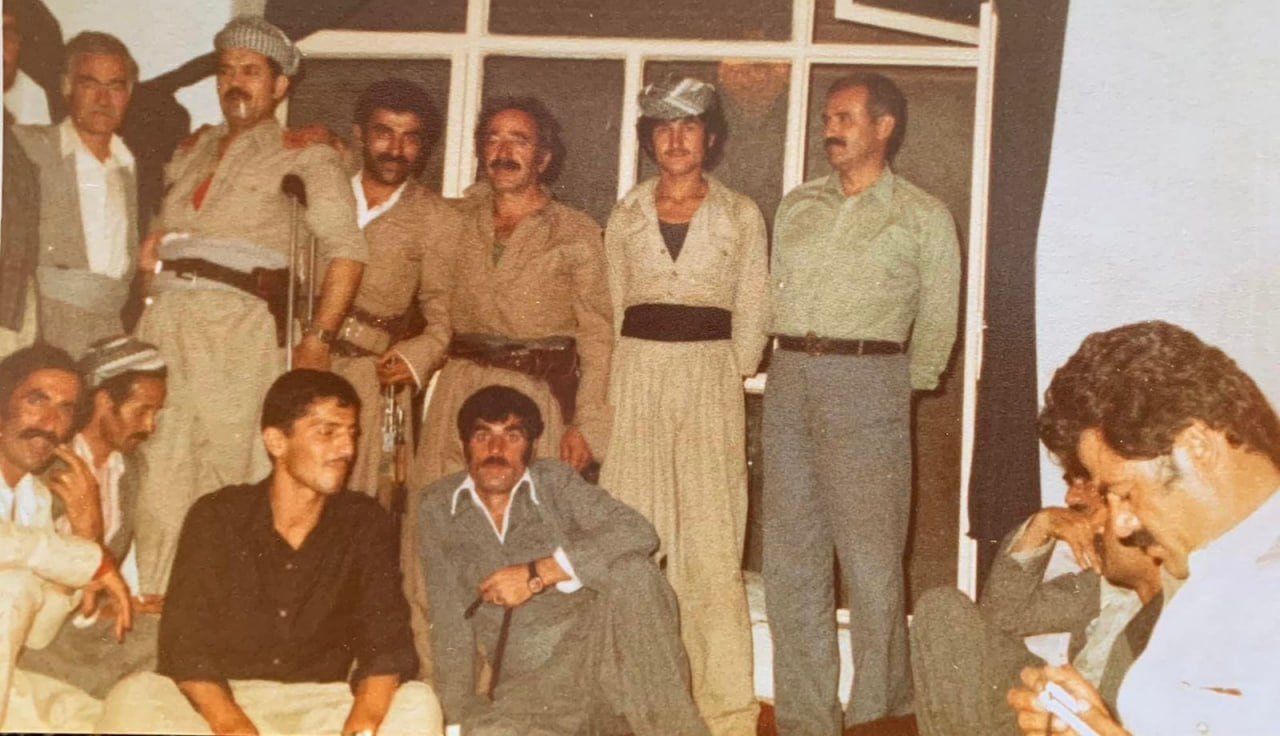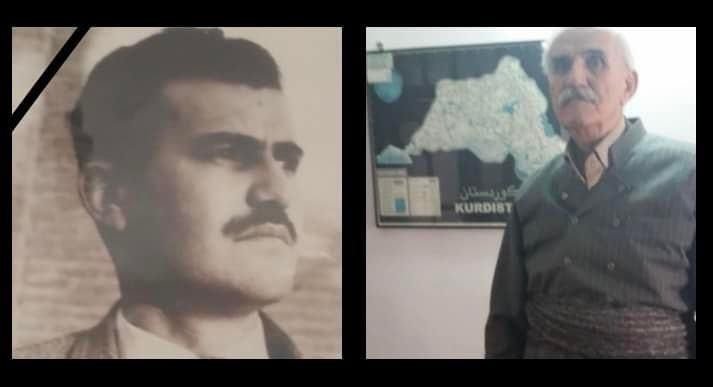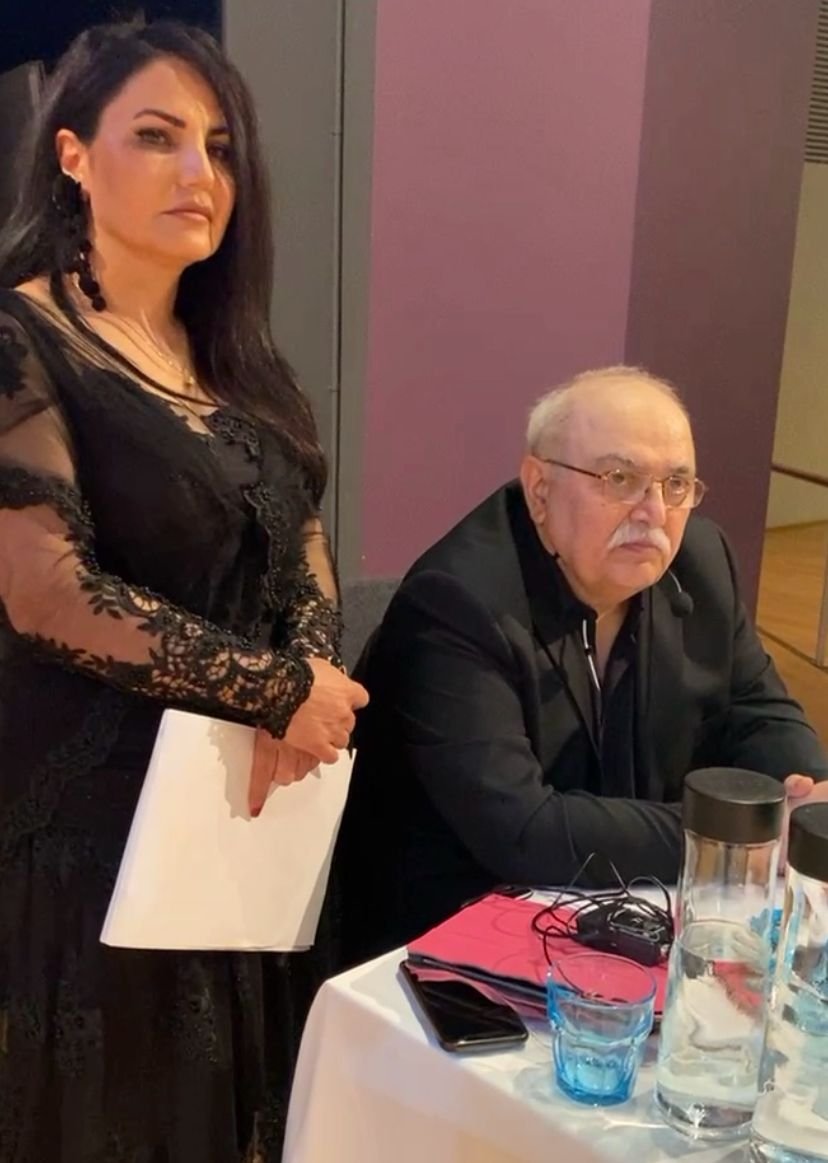
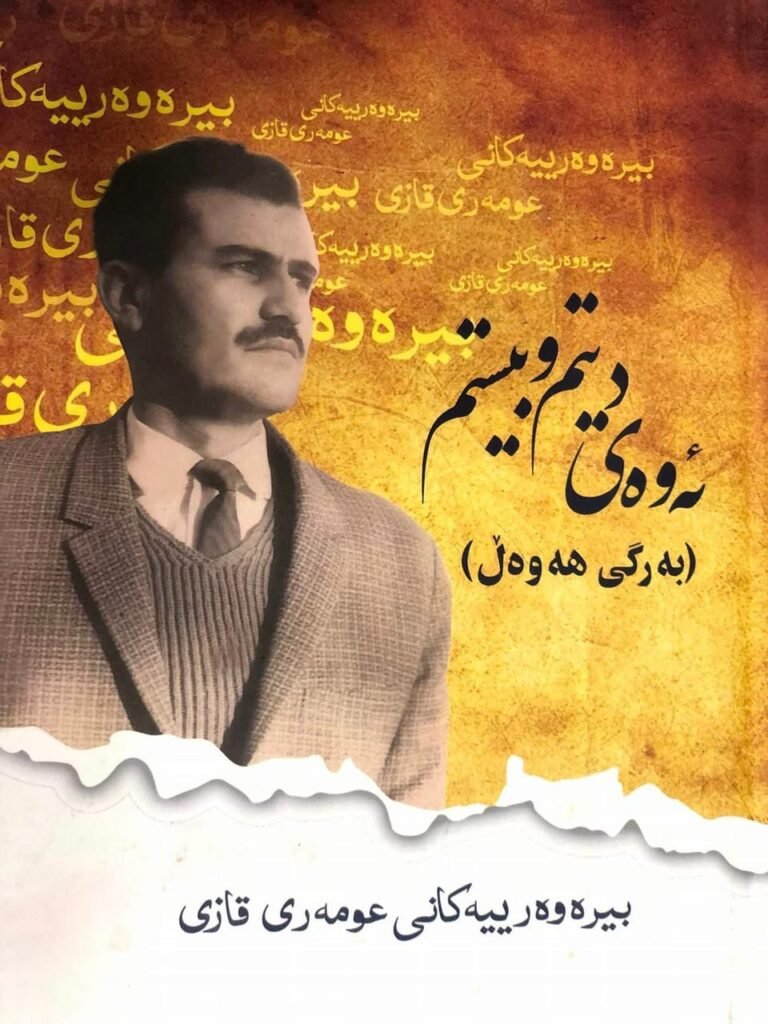
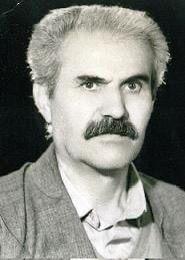
Omar Qazi himself describes his life in the first volume of his memoirs titled What I Saw and Heard as follows: My name is Omar. I was born on the 7th of Khazalvar (Mehr) 1313 in the solar calendar. Quite often, jokingly or seriously, I have mentioned that if people lean on the number thirteen, I am entangled with several thirteens: two of them are the date of my birth, and several other thirteens that I will mention later. It is not unlikely that my final departure will also involve another thirteen and officially become three thirteens. I am the son of the late Mirza Wahabi Qazi from the Qazi family of Mahabad. My late father was known among the people as “Mame” (Uncle); as he himself used to say, he was the uncle of everyone. He was very eloquent and sharp-eyed. On my mother’s side, I am Kheijej Khanom Qazi, the granddaughter of the late Mirza Fattah Qazi. I was born in Mahabad, that city which is the head of the snake. In the city of martyrs, the city of Martyr Peshawa (Qazi Mohammad), the city of the Mo’inis, the city that the Islamic Republic intended to turn into a potato field (Yarelmashi). Contrary to the wishes of its enemies, Mahabad was not turned into a wasteland; instead, like an octopus, it spread out toward its enemies in all directions. On one side it advanced toward the city centers, overtook the wealthy neighborhoods, and on the other side it twisted through the valleys and gorges near Mangur and threw its branches toward the mountainous areas of Mangur. In this way, it came out of being a small town and became a full-fledged city. Omar Qazi, a veteran cadre and Peshmerga, a political prisoner, a disabled former inmate, a military officer, a school teacher, and a beloved personality of the city of Mahabad. He had one brother and two sisters: Mohammad, known as Kaké Shine, and Mrs. Shasultan (the first female school teacher in the schools of the Republic of Kurdistan) and Mrs. Shashan Qazi. In 1340 solar, he married Mrs. Mina Ganje’ali (Wafa). From this shared life, two daughters and two sons were born: Halaleh, Kamran, Shirin, and Soran. From the age of seven, he began his education in the city of Mahabad, which coincided to some extent with the formation of the Republic of Kurdistan. For this reason, he was also a student in the schools of the Republic and studied in Kurdish in elementary school. During that same period, by chance and due to the fearlessness and bravery of a child at that age, he was awarded by Peshawa Qazi Mohammad. According to his own words, this was the greatest honor of his entire life: that the Kurdish flag was pinned on the collar of his shirt by the blessed hand of Peshawa. After completing elementary school, he continued his studies in the same city and obtained a diploma in natural sciences. After receiving his diploma, he went for military service and later studied at the officers’ academy of the university. He became an officer and stayed in the city of Shiraz for two years.
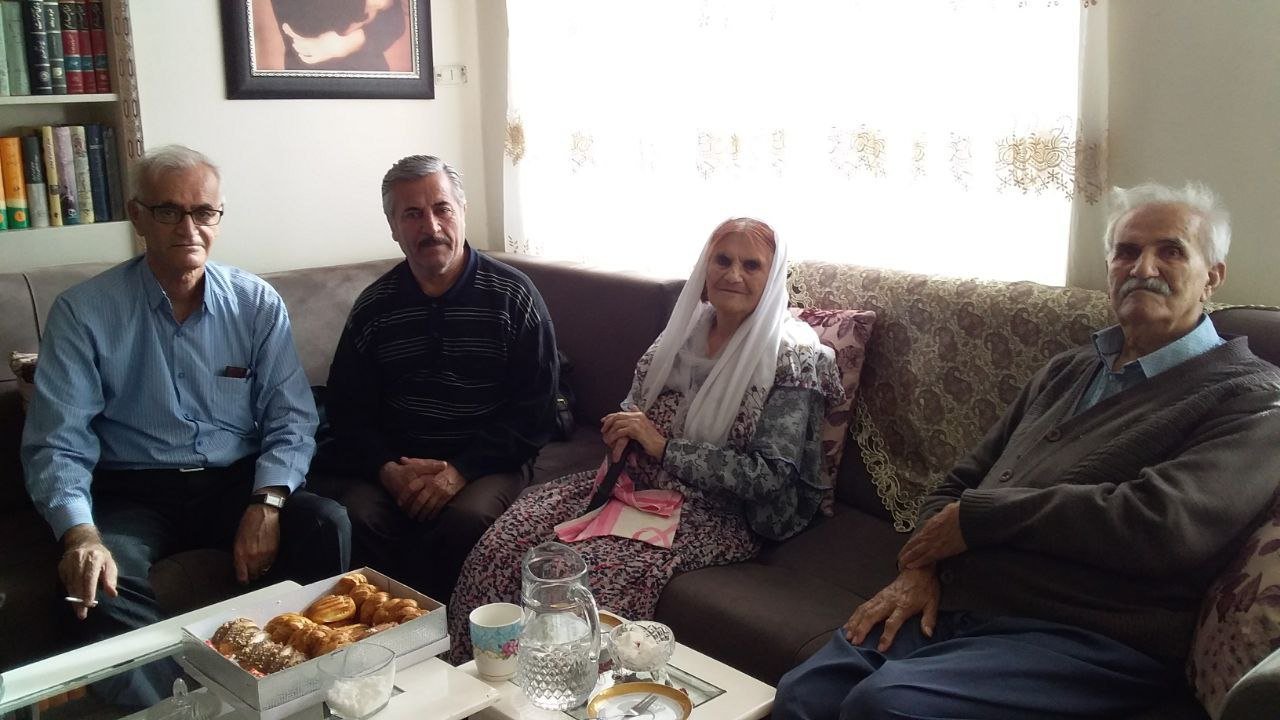
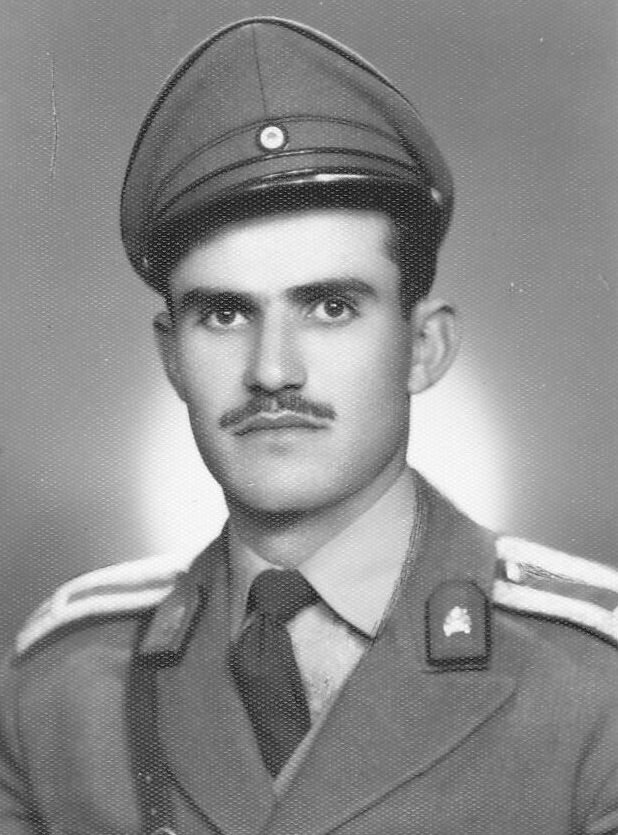
لێرە چەند وێنەیەک لە کاک عومەر لە دەورەی ئەفسەریدا ببینە
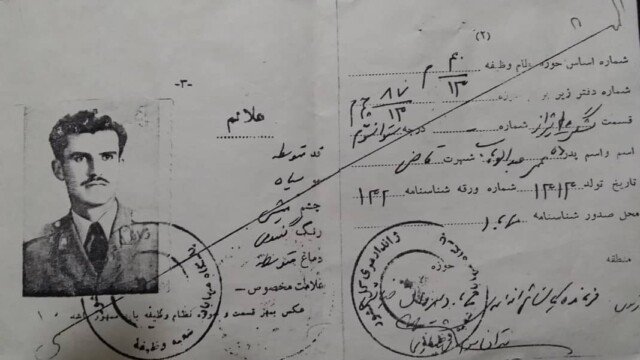
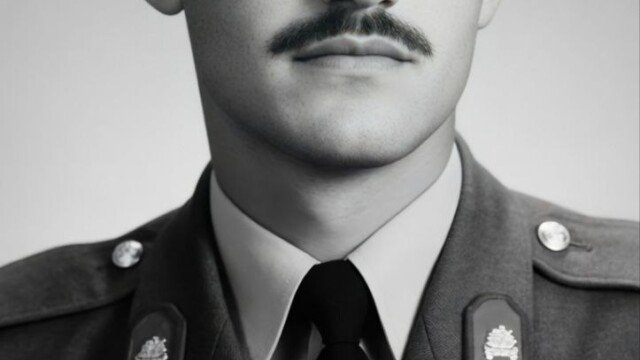
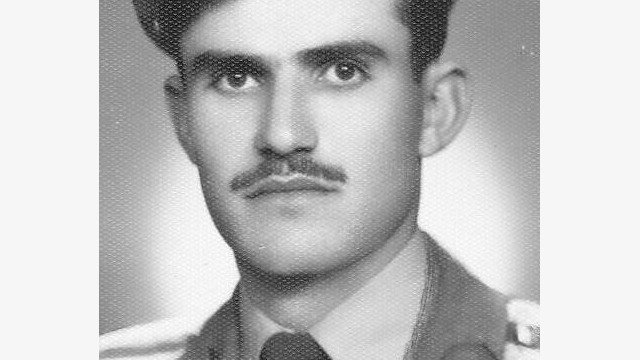
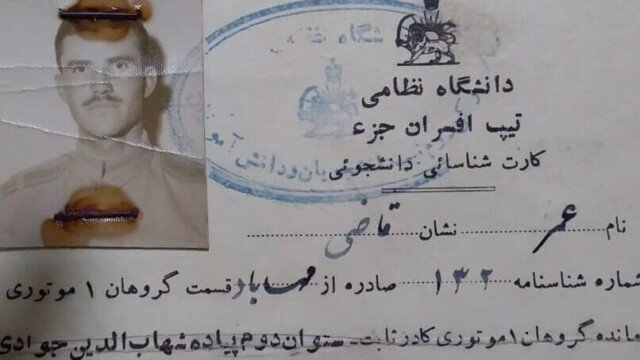
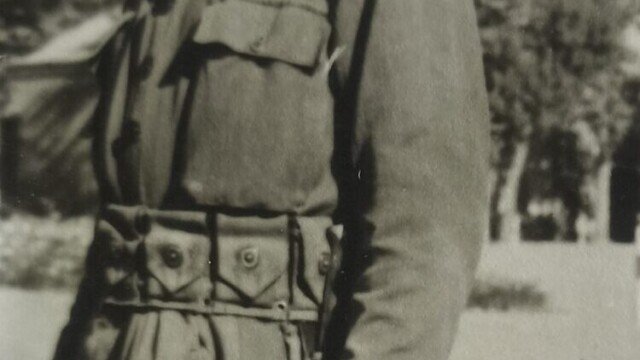
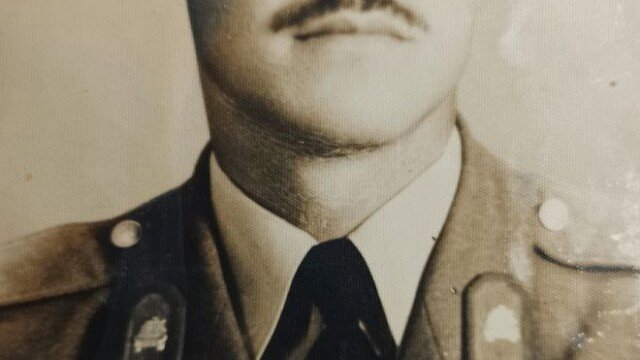
Kak Omar always felt the oppression, inequality, tyranny, and injustice against the Kurdish nation and struggled for the freedom of his people. He stood against the tyrannical Pahlavi regime and also rose up against the dictatorial and terrorist Islamic Republic regime. He was a close comrade and colleague of the martyrs of the red dawn of Kurdistan, the secretaries of the Democratic Party of Iranian Kurdistan, Kak Ahmad Tawfiq and Dr. Sadegh Sharafkandi. The young Omar first became an official member of the Democratic Party of Iranian Kurdistan in the 1950s during a mission assigned to him to visit the late Soleimani Mo’ini. Omar Qazi actively carried out all party tasks inside the city. At the same time, due to his financial means, he had a prominent role in collecting and sending aid and support to the armed struggle of the Kurds of Southern Kurdistan led by General Mustafa Barzani, known as the September Revolution. During the Anfal campaign and the mass exodus from Southern Kurdistan, he tirelessly provided housing and shelter for the refugees and established schools for their children. It was during this period that he came under intense surveillance by the SAVAK organization. He was even arrested and tortured, and as a result of the torture, he permanently lost the hearing in his left ear. After completing the officers’ academy, due to his political activities, he was not given a military position. He therefore studied to become a teacher and later returned to Mahabad. Very soon after, he became a school teacher in the villages of Divandarreh in Kurdistan. It did not take long before Kak Omar began organizational work in that area and encouraged other school teachers to engage in political activity. As a result of these activities, the school teacher was imprisoned.
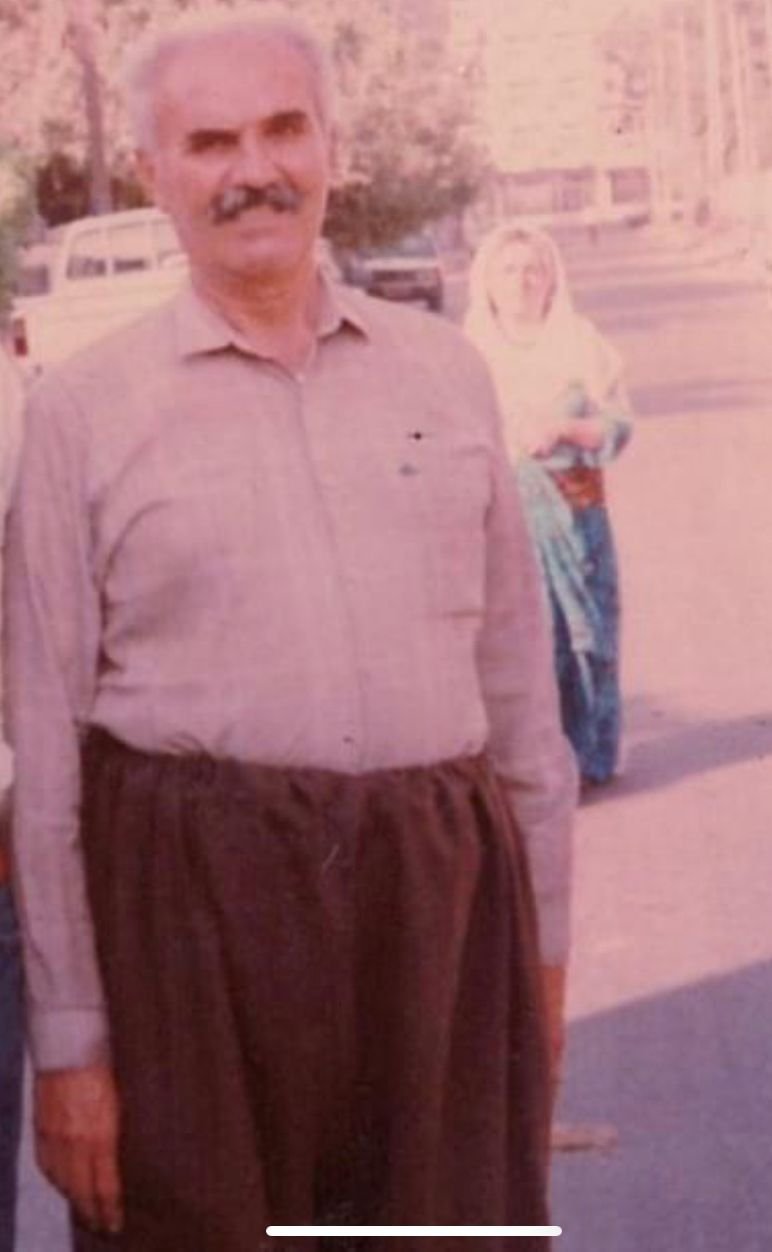
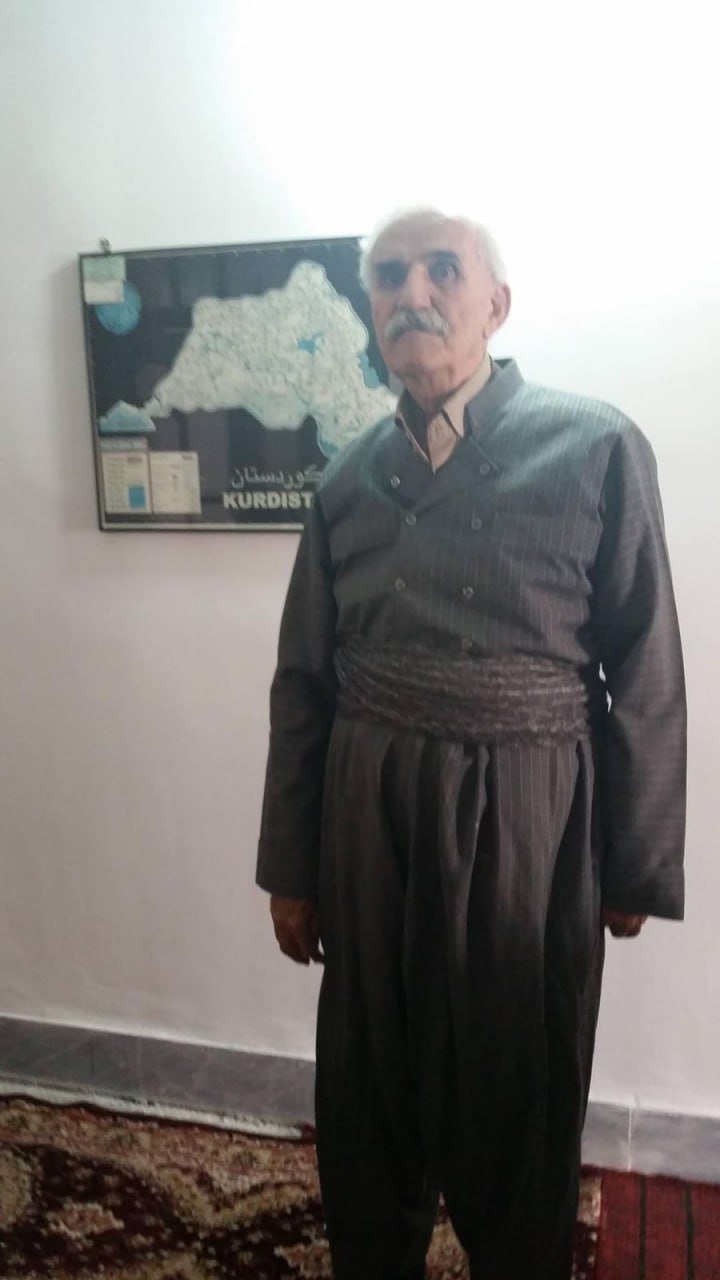
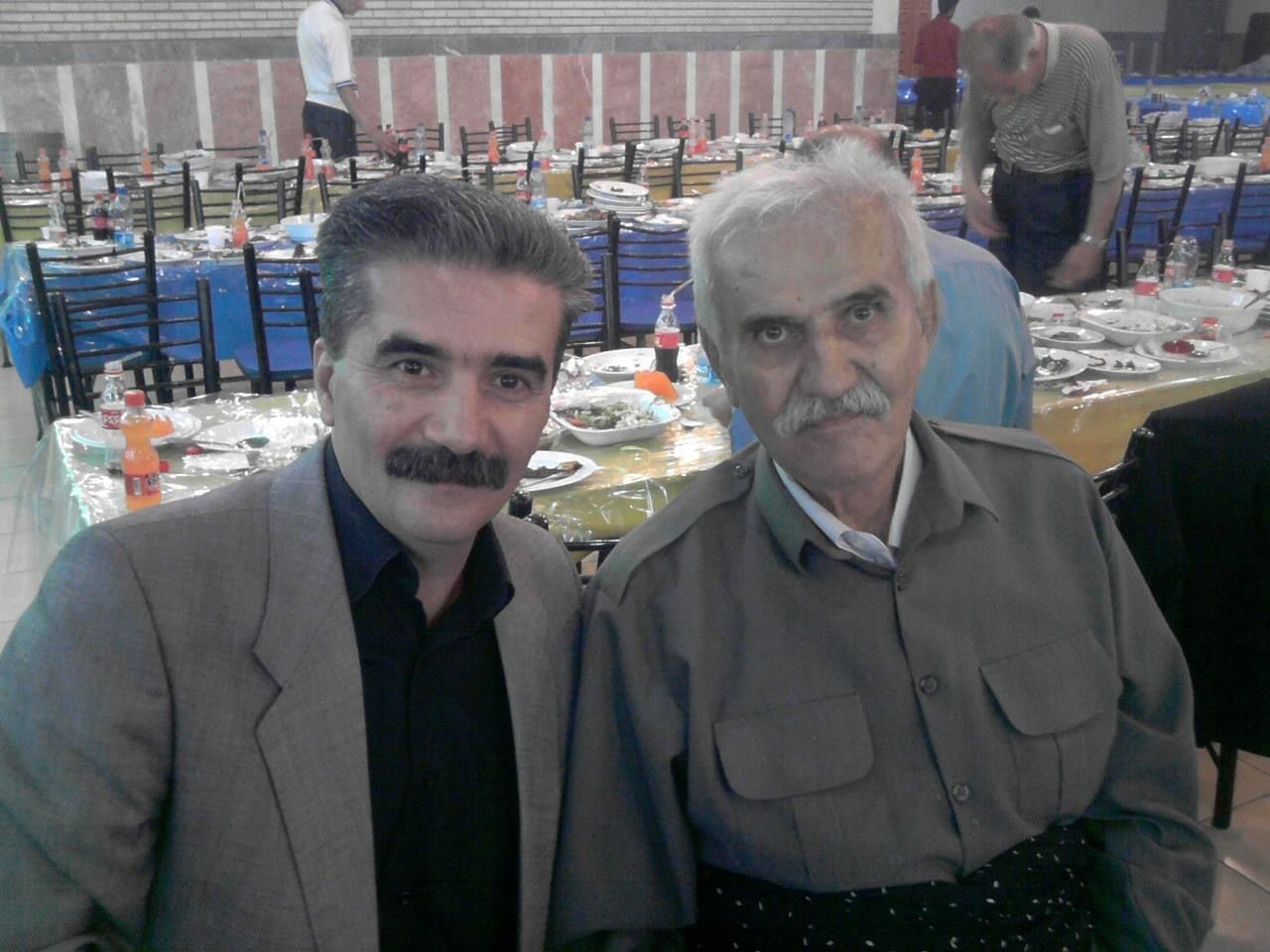
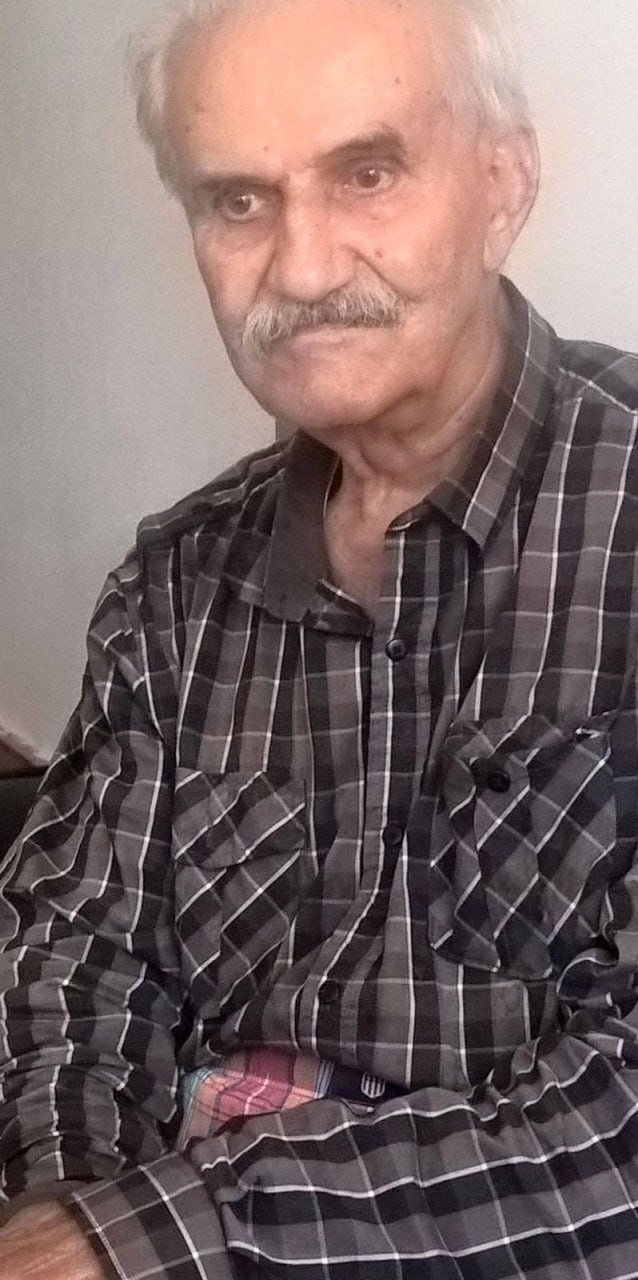
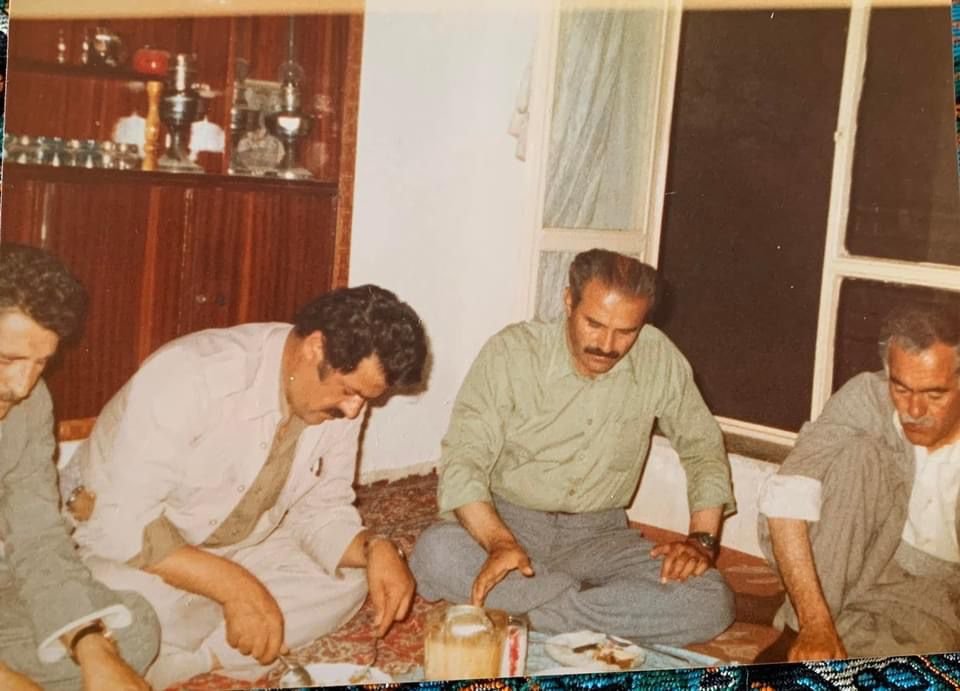
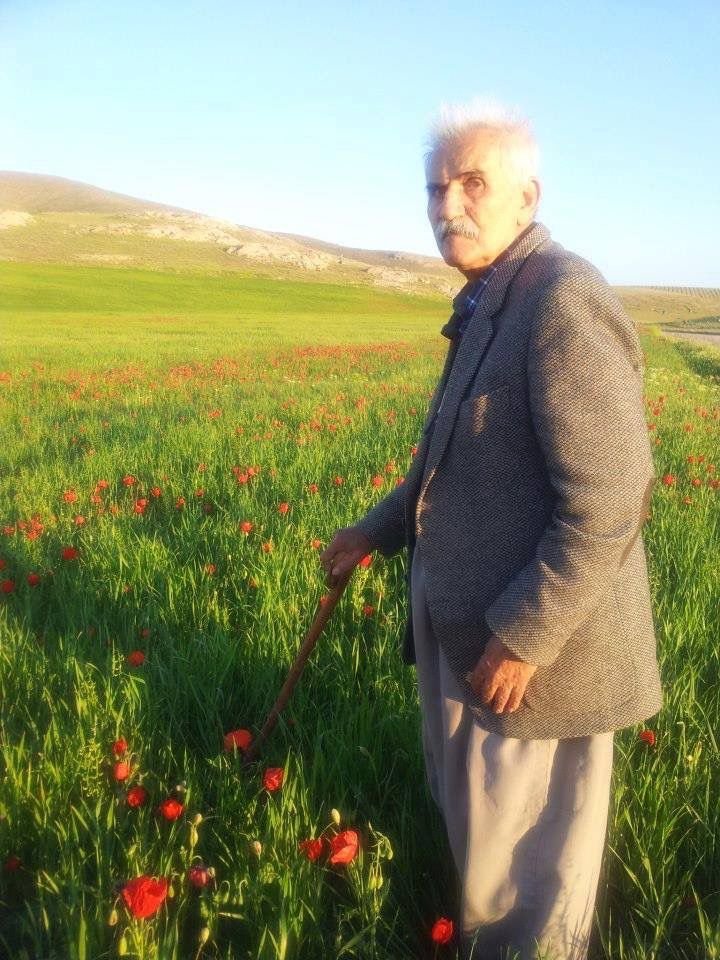
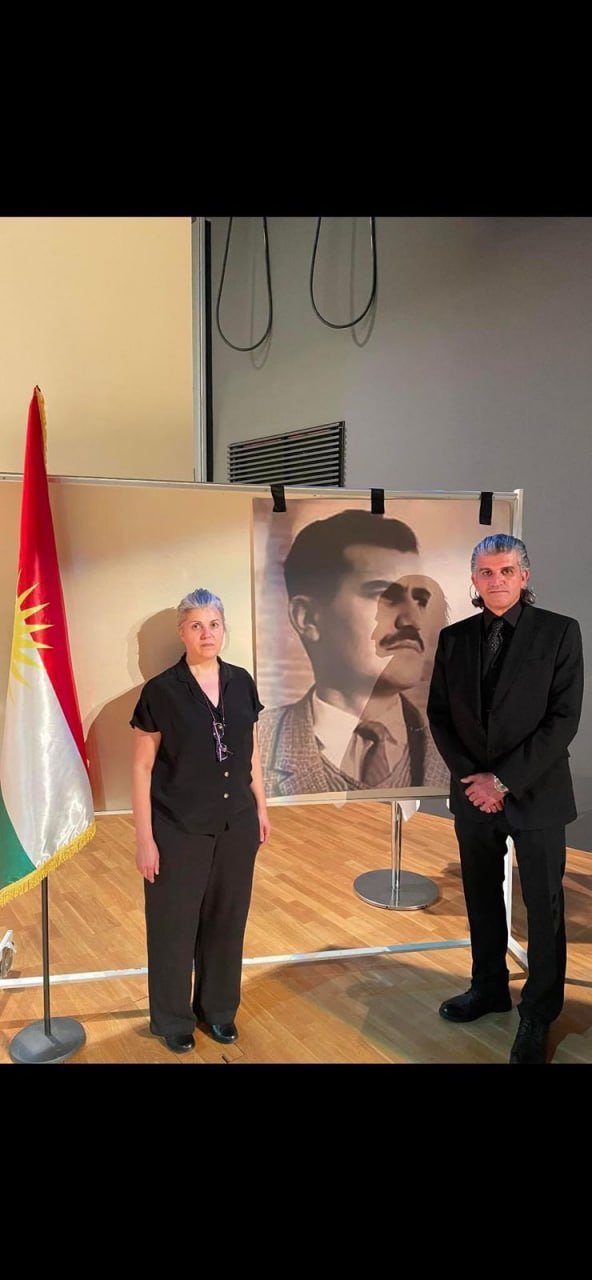
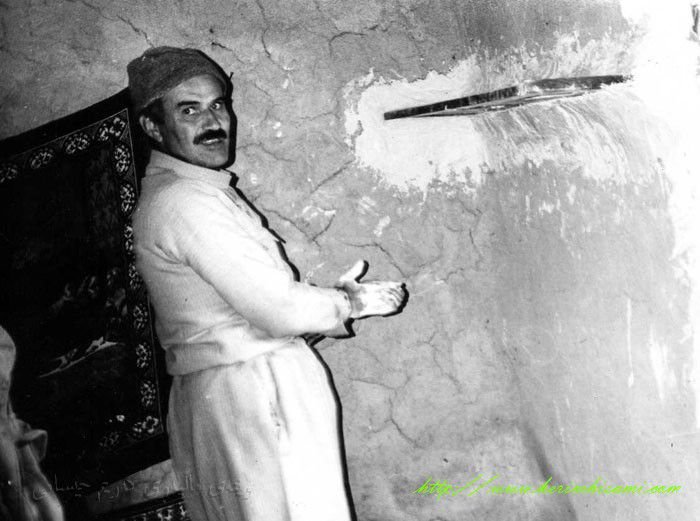
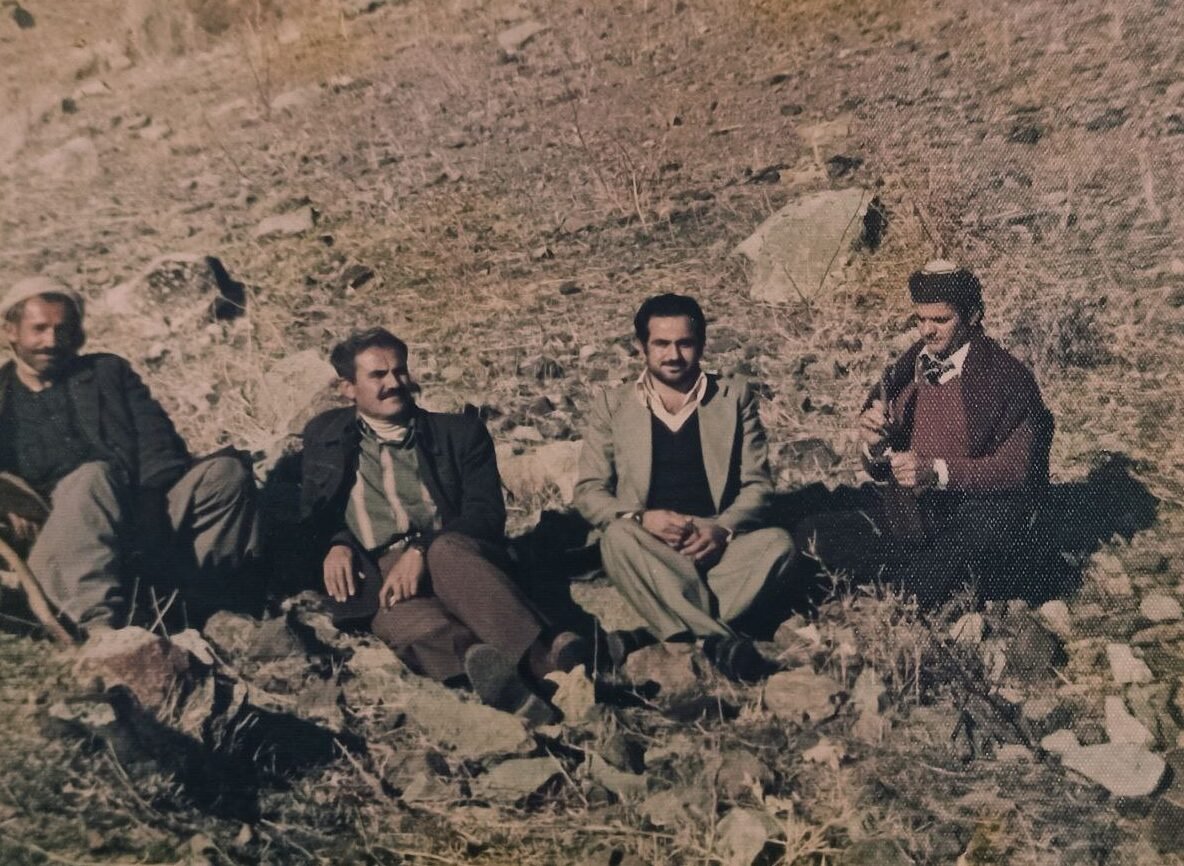
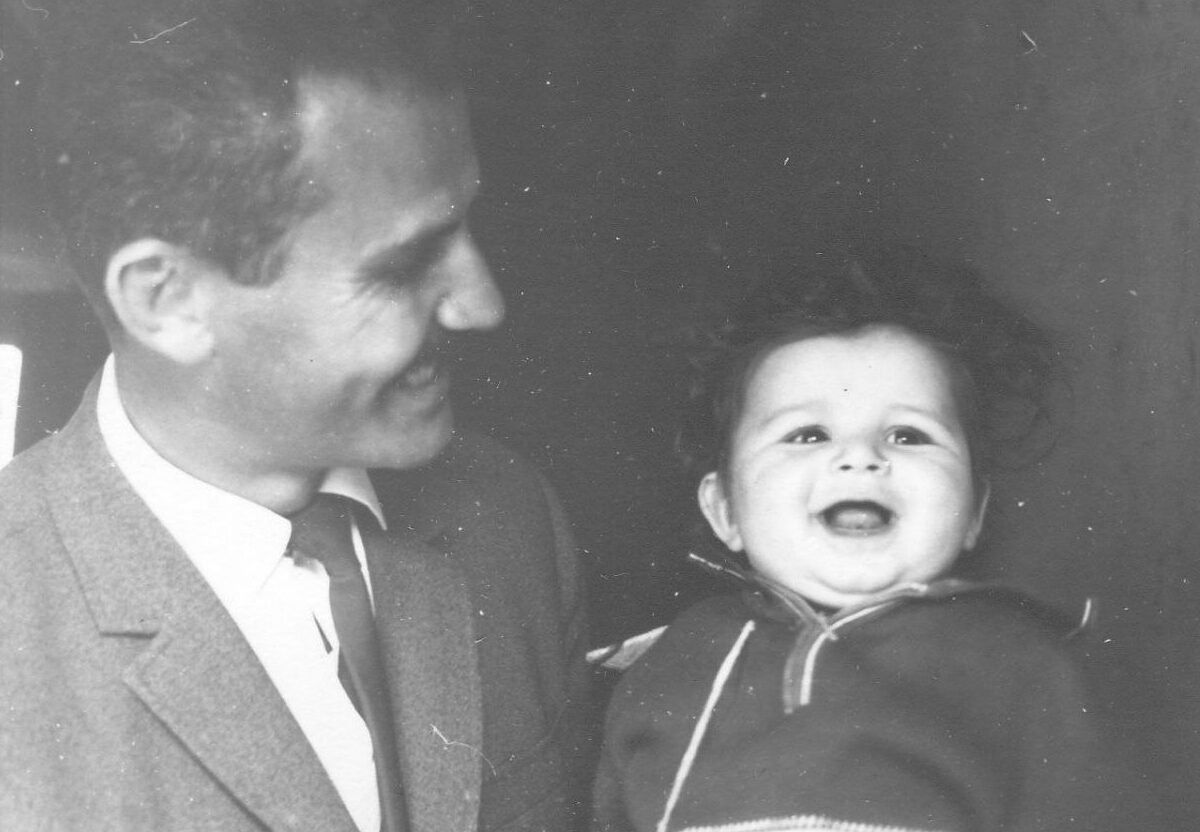
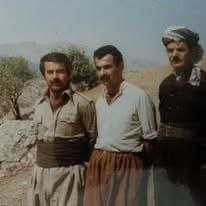
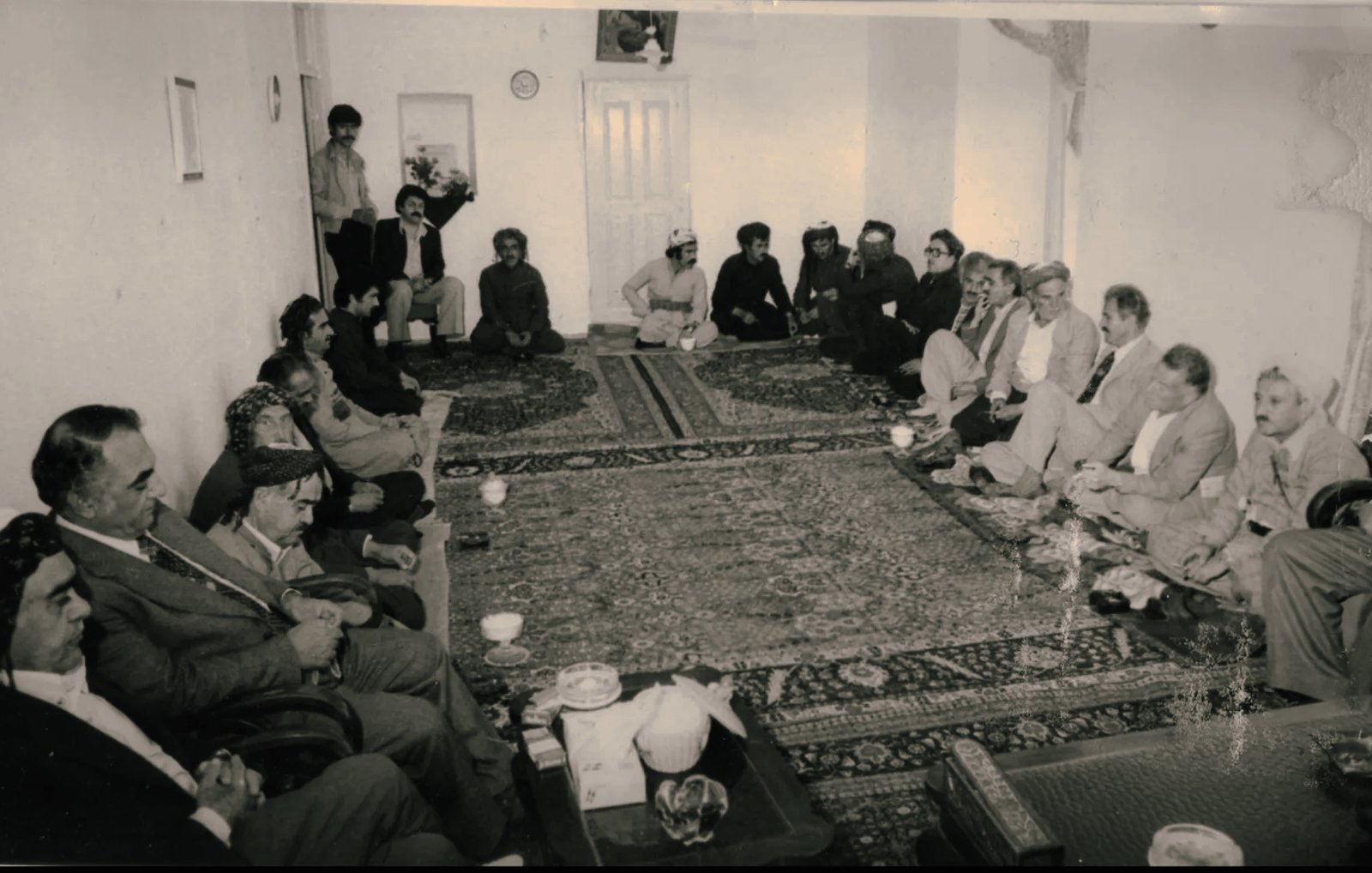
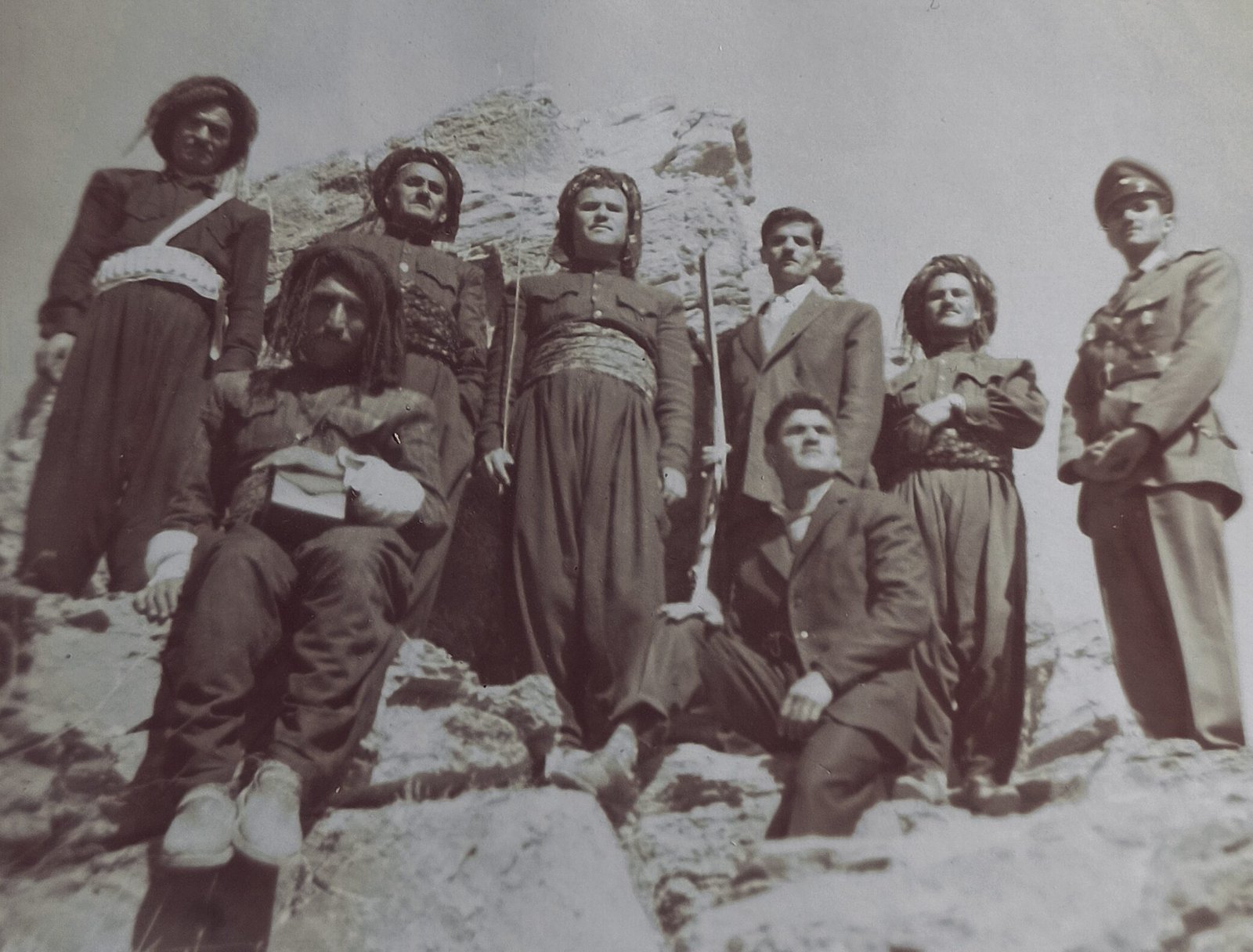
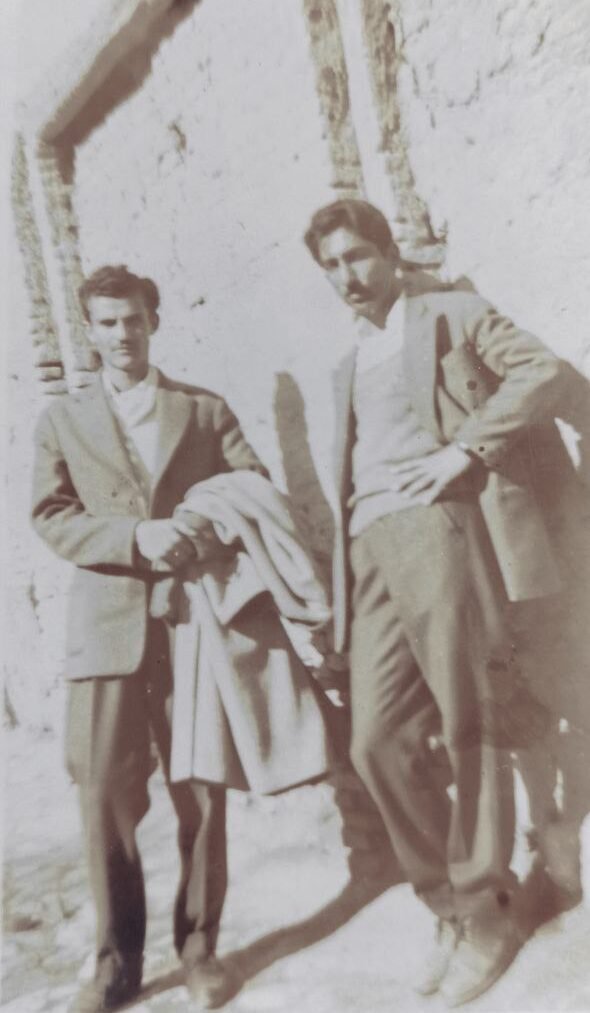
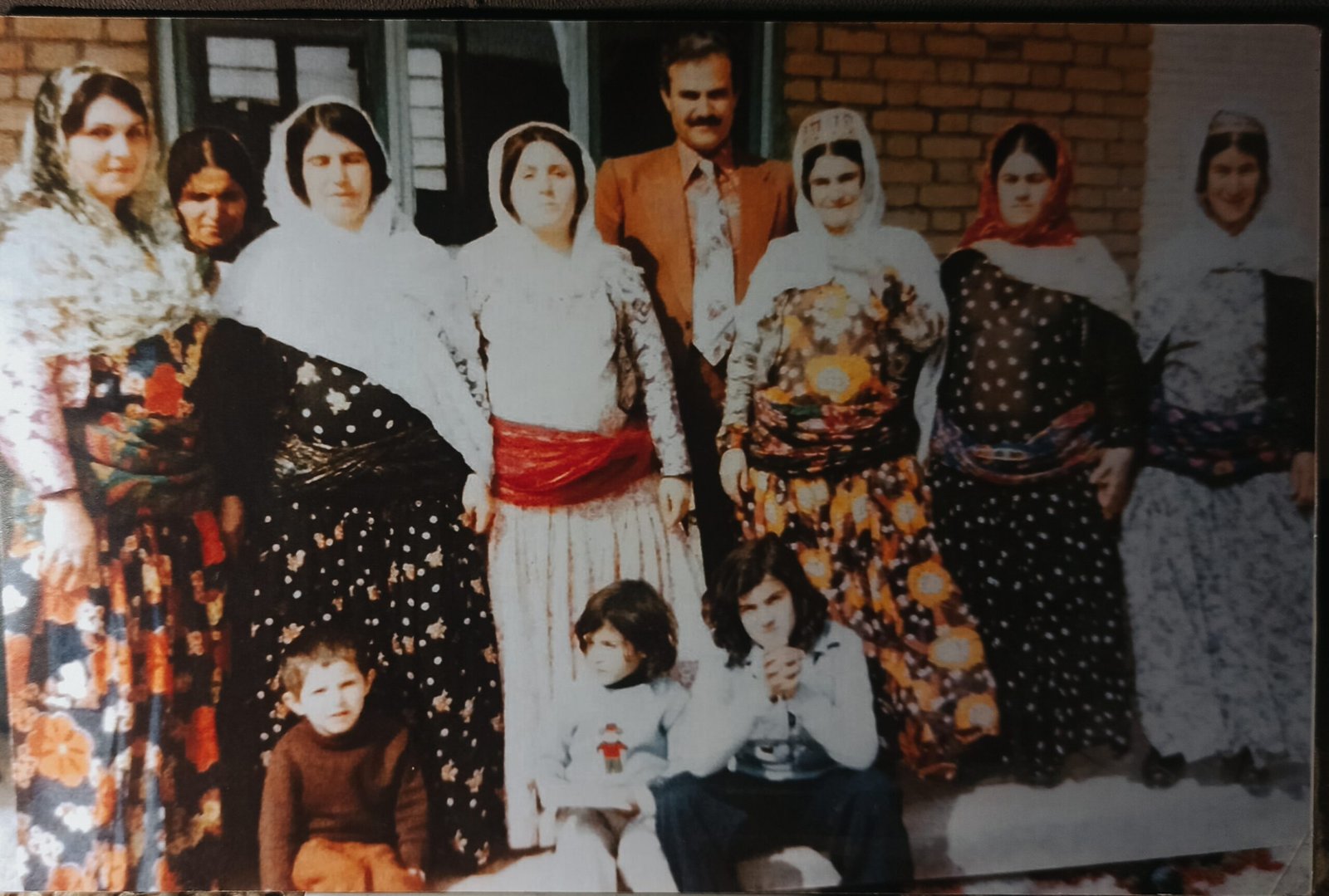
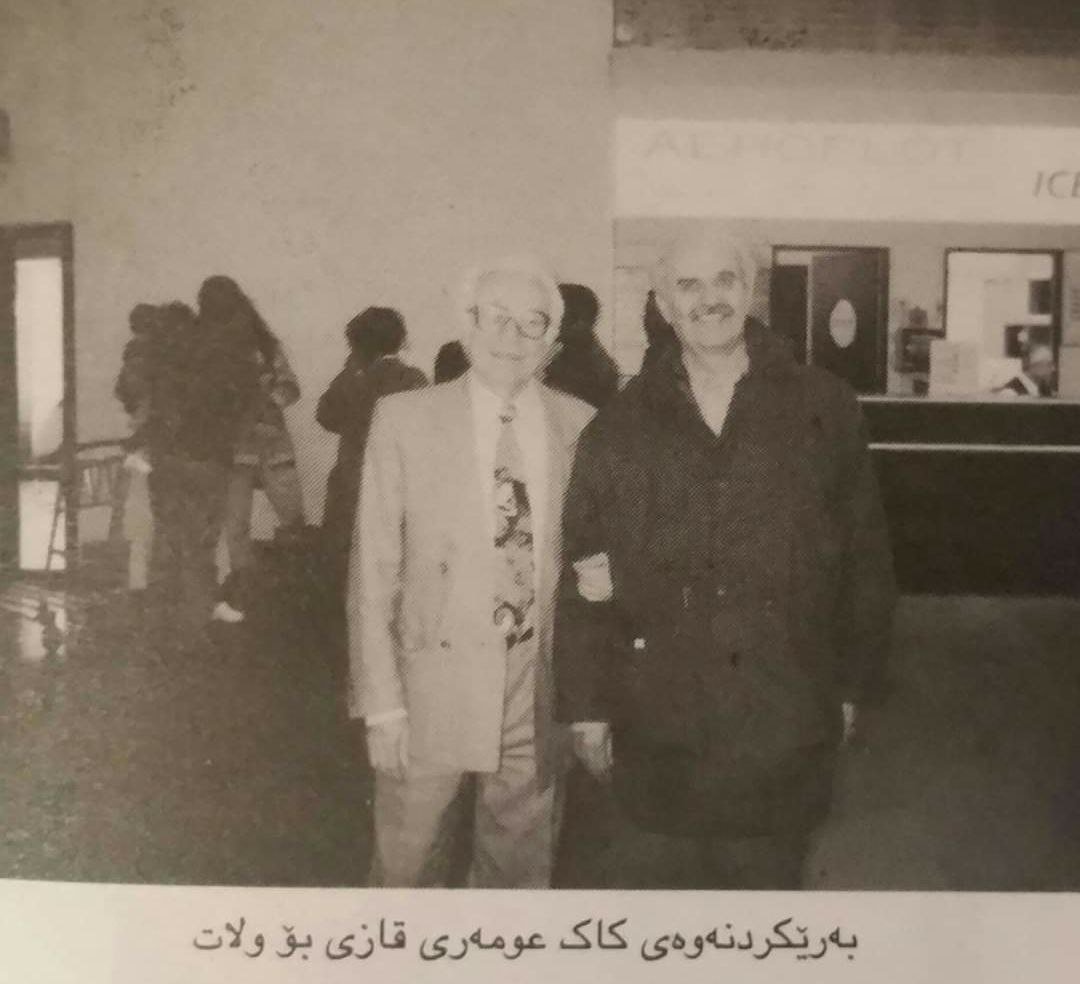
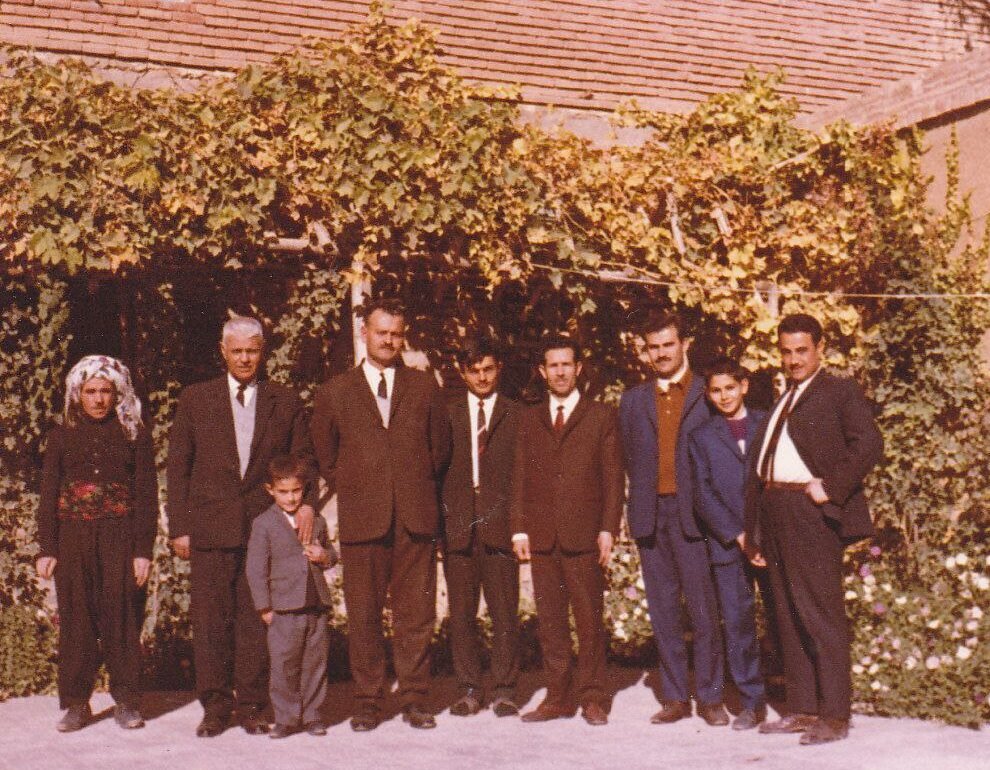
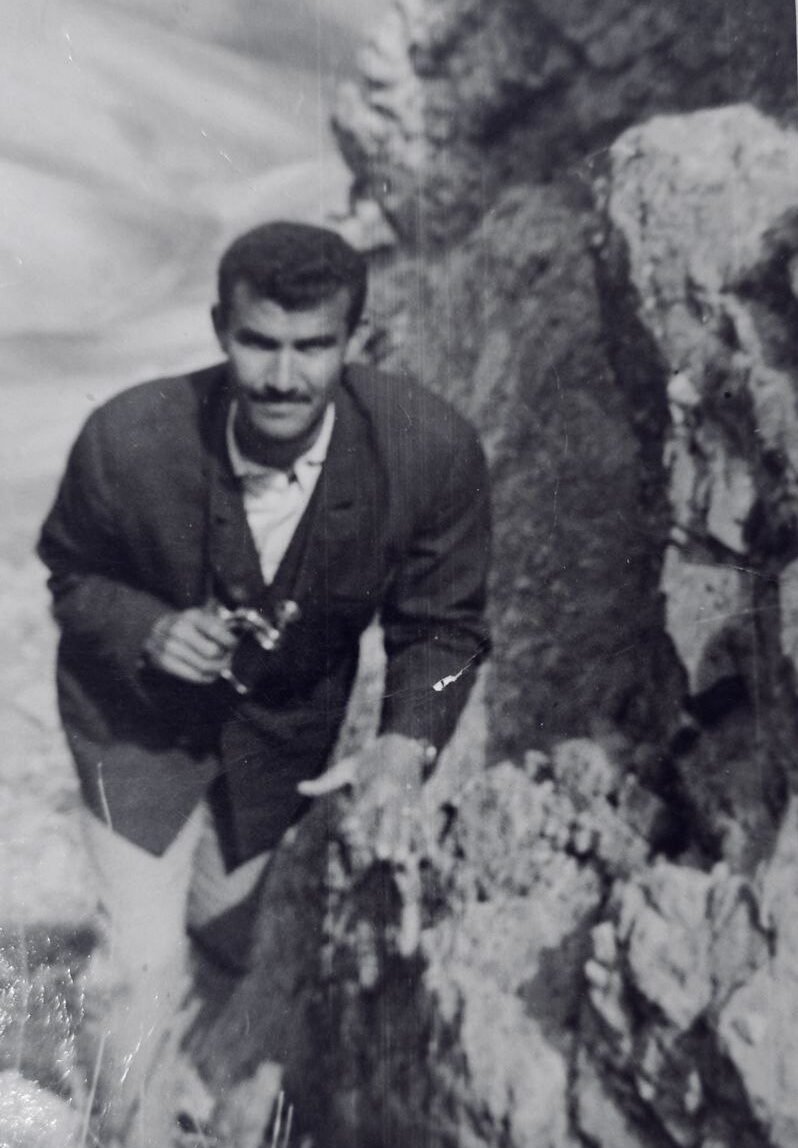
وێنە مێژوییەکانی کاک عومەر قازی
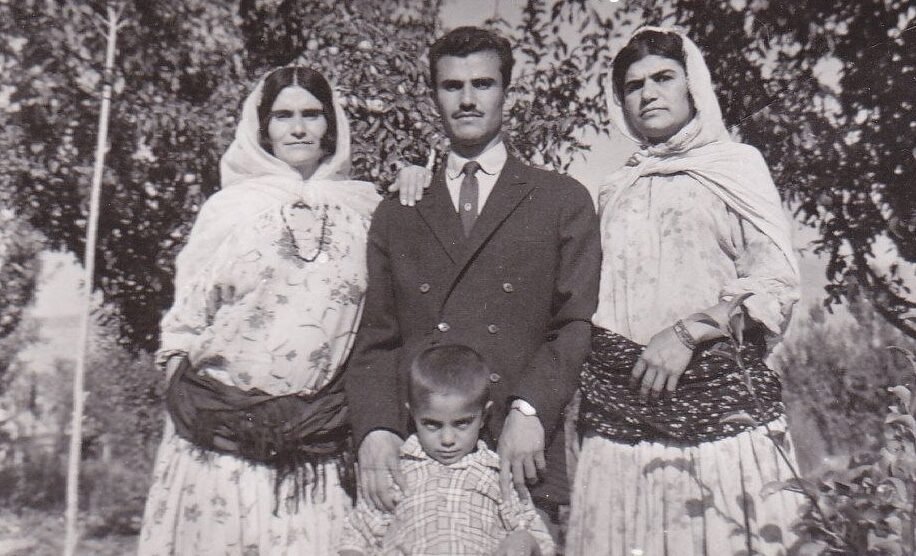
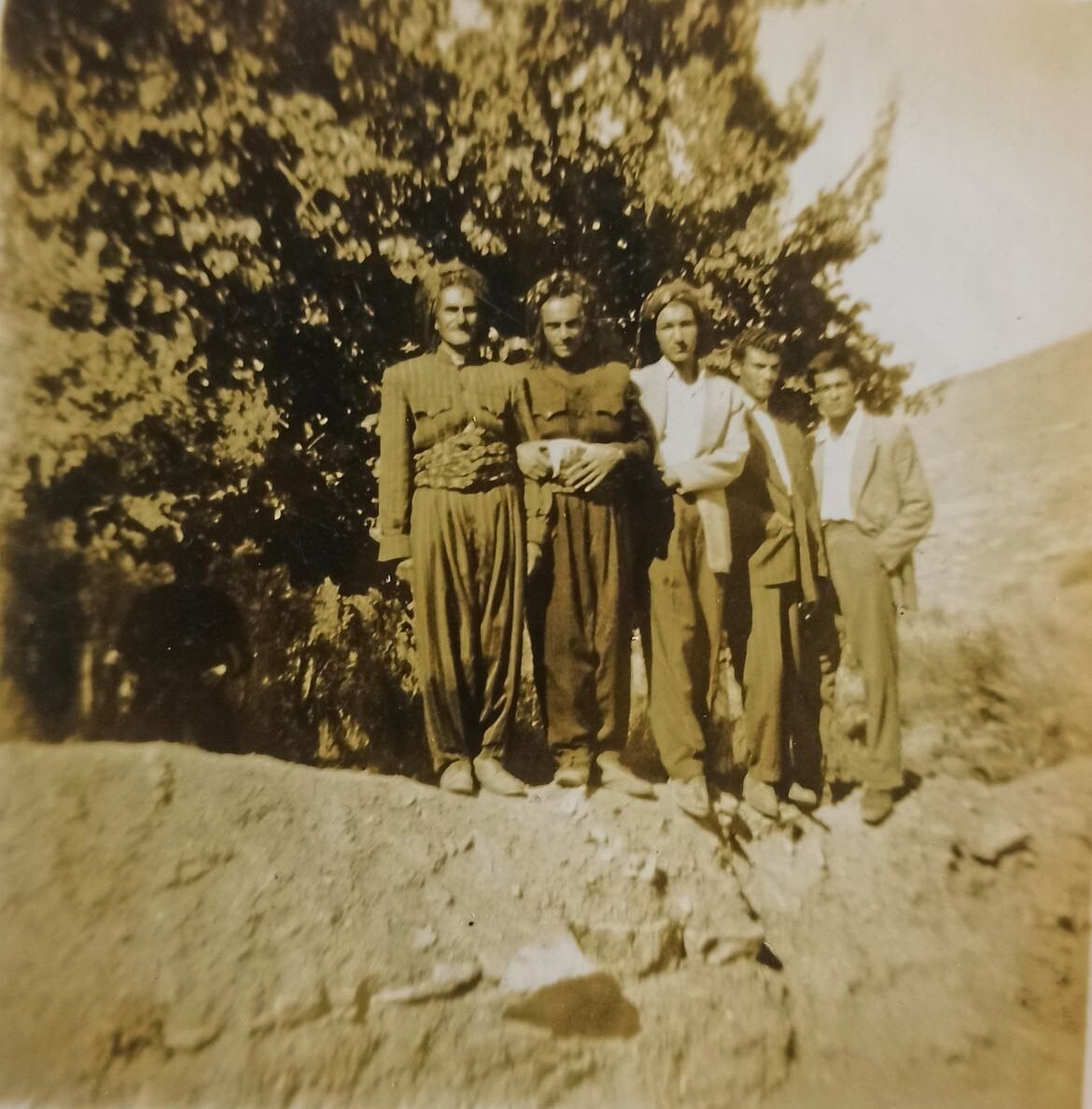
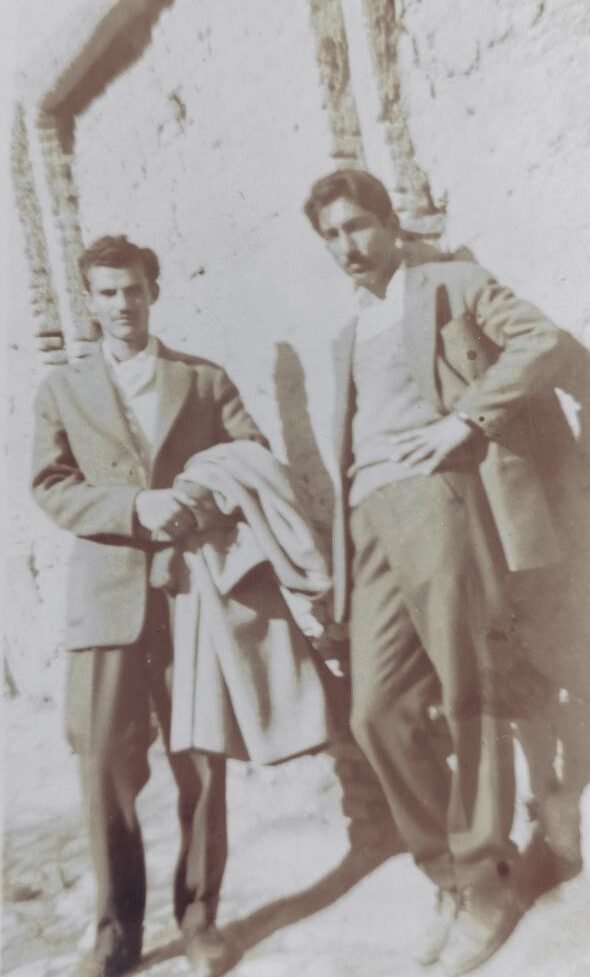
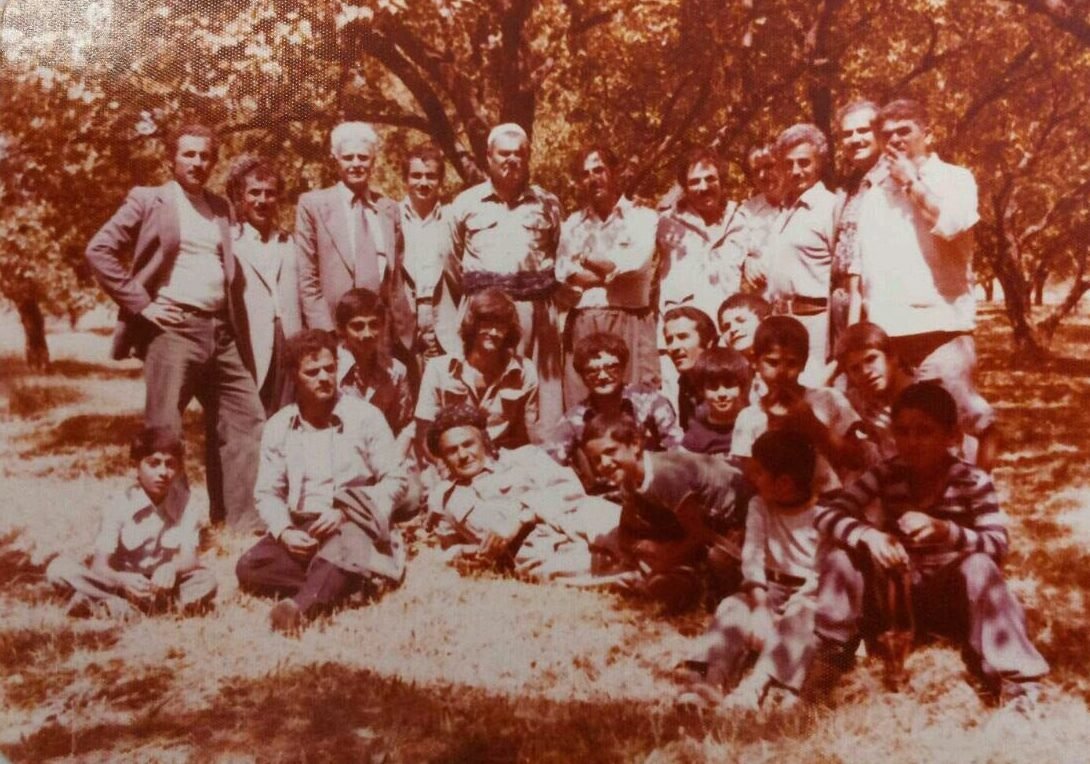
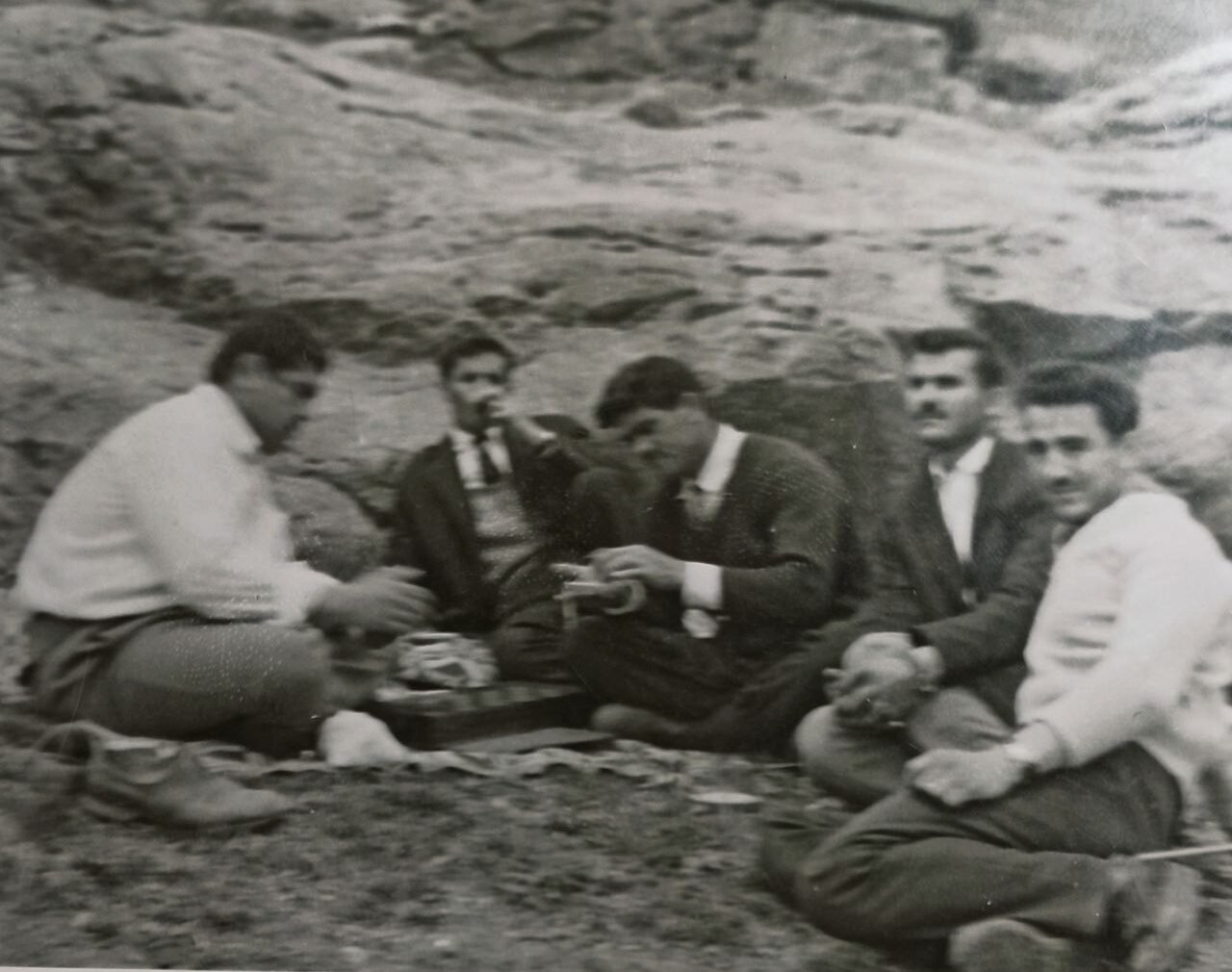
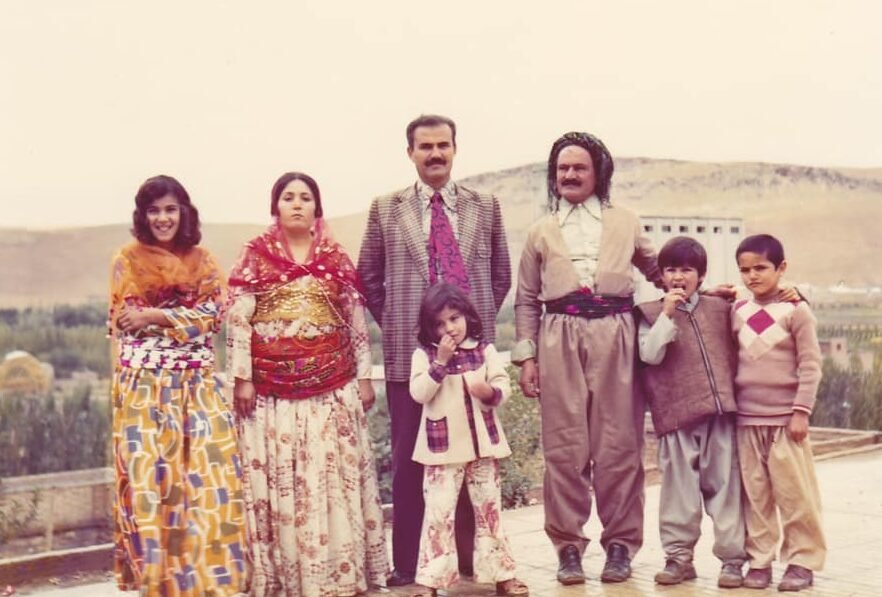
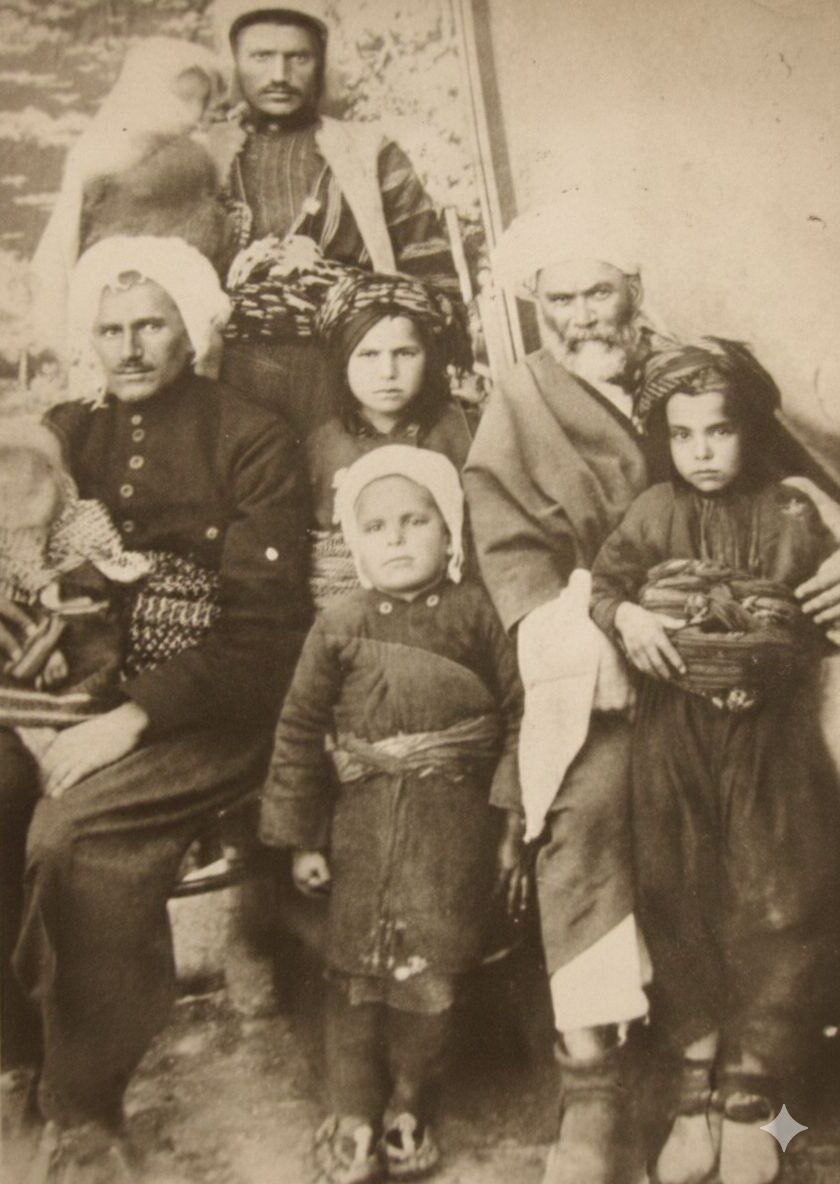
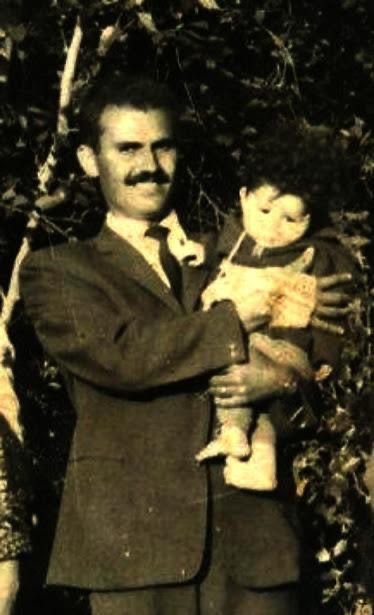
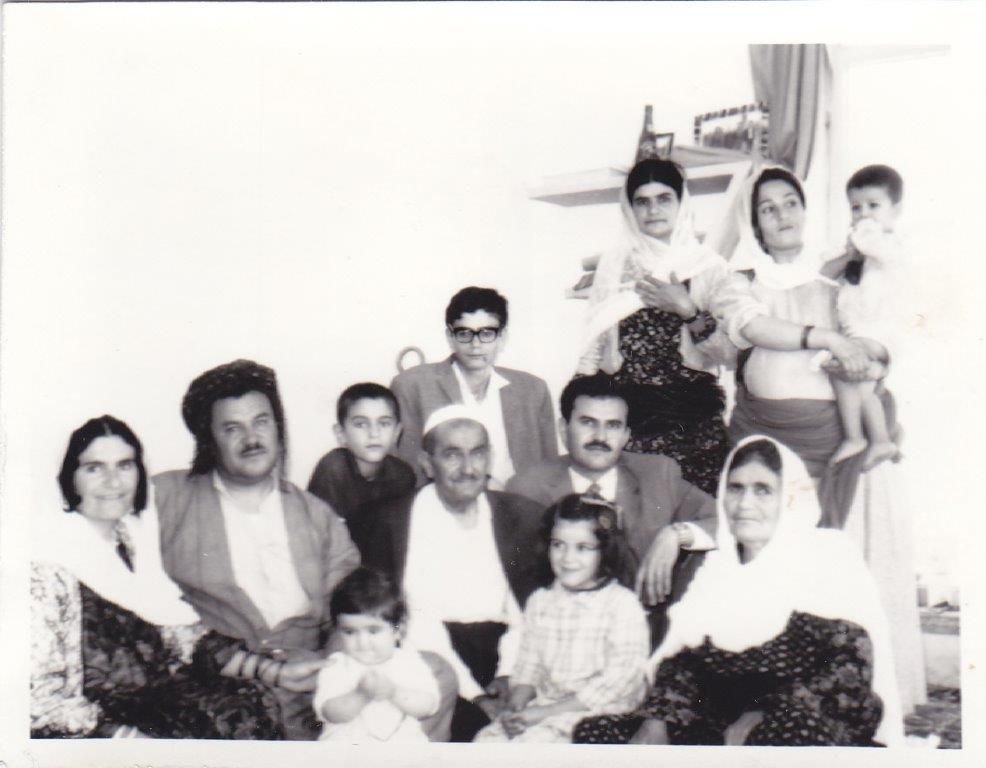
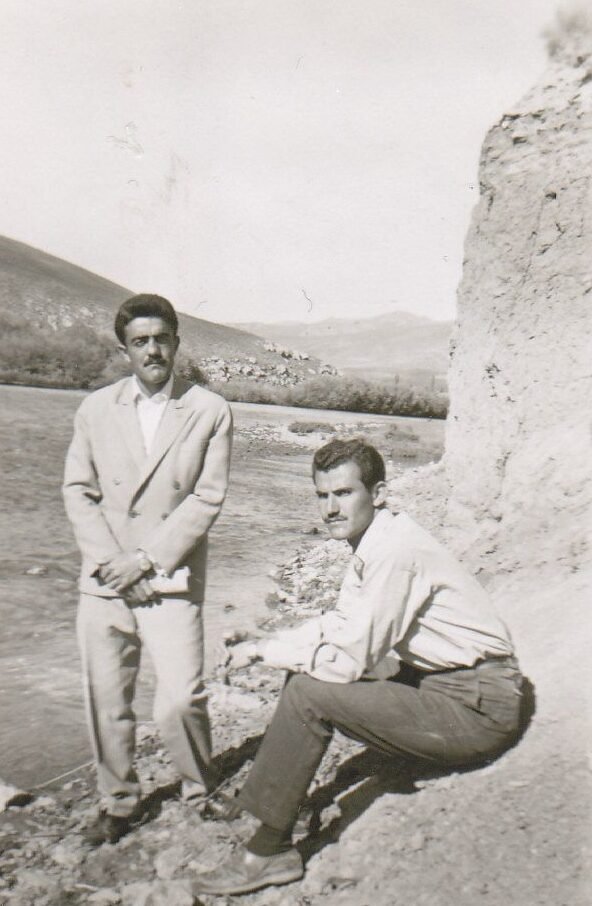
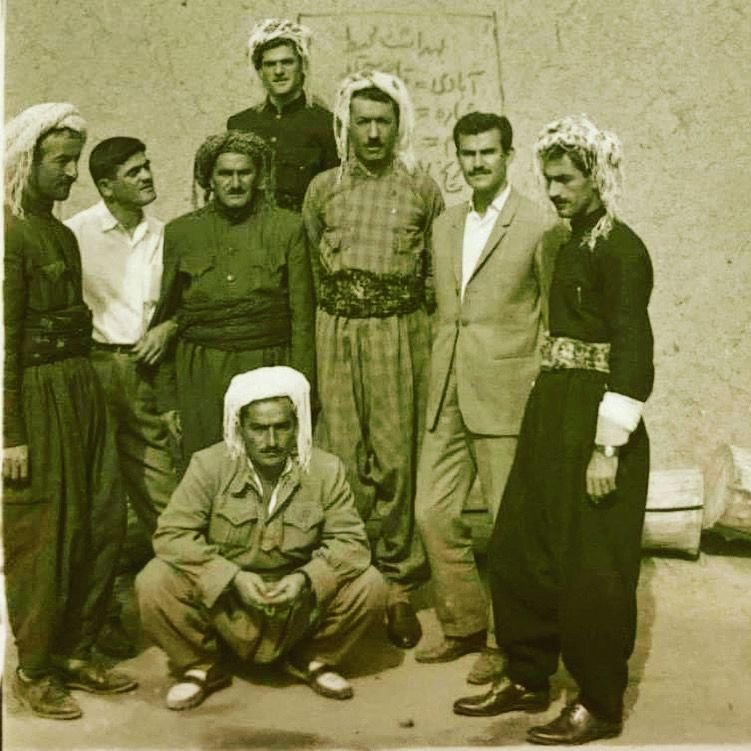
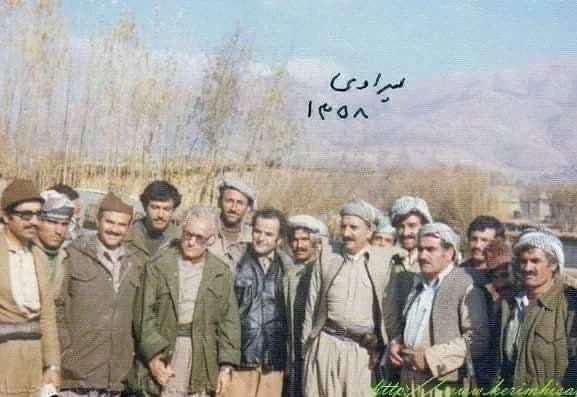
ears in prison. In 1367, he was covered by a general amnesty and was released with a body and soul full of pain. It was around that time that his old comrade and friend, the late Dr. Sadegh Sharafkandi, sent him a message that the party would send him to Europe for treatment. For this purpose, he needed to leave the country. One midnight, Omar Qazi, along with his wife and children, set off toward Qandil and an uncertain fate. They stayed for some time in Qandil and the town of Koya. Due to the bitter fate of the Kurds, at that very time, Dr. Sharafkandi was assassinated by the filthy terrorists of the Islamic Republic. With the loss of Dr. Sharafkandi, Omar Qazi’s departure was also put aside, and they remained for more than two years in the camps of the Democratic Party of Iranian Kurdistan in the town of Koya. Eventually, thanks to the efforts and follow-up of Kak Omar’s daughter, Mrs. Halaleh — who had been a Peshmerga for some time and at that time was a party cadre and refugee in Sweden — arrangements were made for them, and they reached Sweden. In this country, after medical examinations, it became clear that the time for treatment had passed and they had arrived too late. Kak Omar could not be treated, but it was soon discovered that his wife, Mrs. Mina, was suffering from the deadly disease of cancer and would not live for more than a few months.
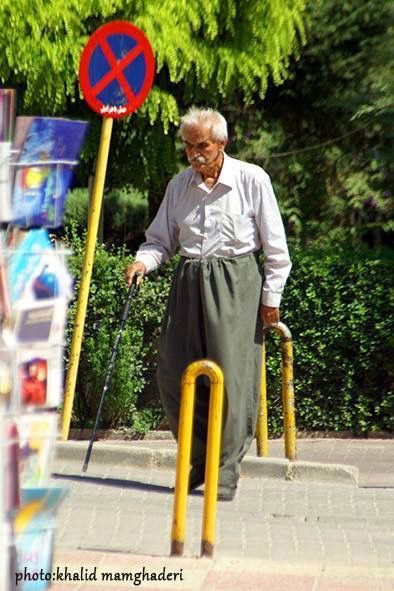
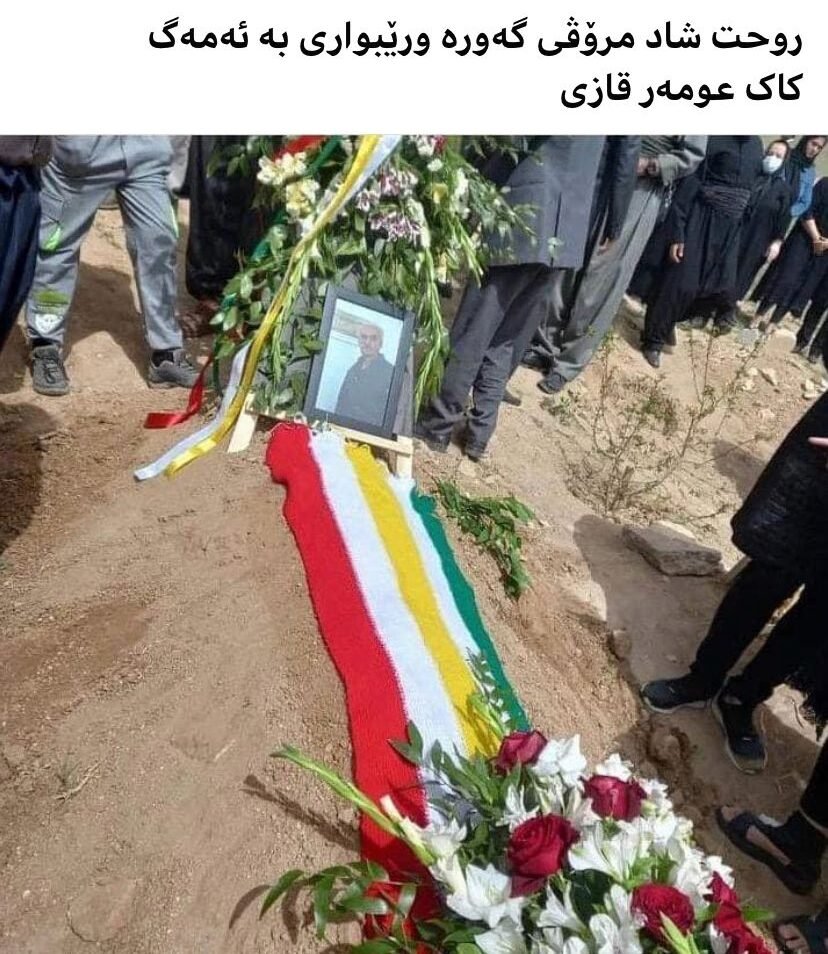
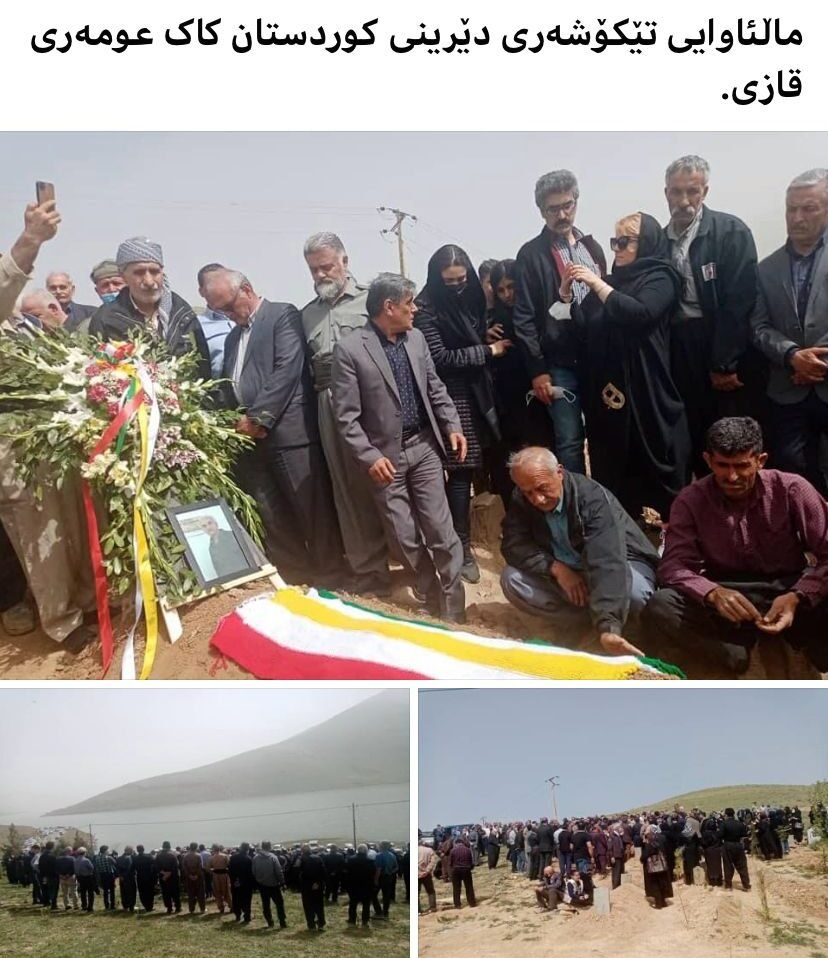
After a short period of residence in Sweden, when Mrs. Mina realized that her final days were near, she asked to return to Kurdistan so that she could spend the last moments of her life in her own city and homeland and be laid to rest in the soil of Kurdistan. Although this return was very dangerous for Kak Omar, he was not willing to let his loyal wife return alone. Therefore, they left their children in Sweden and returned to Iran. Kak Omar’s return led to his arrest again in Tehran and later in Urmia. He was released two days before the death of his wife. On Friday, 12/3/1374 solar, Mrs. Mina Ganje’ali passed away. As she herself used to say, in her entire life she had cried only three times: for the empty pot of Southern Kurdistan, upon hearing the news of Dr. Qasimlu’s martyrdom, and in the sorrow of the death of her husband, who was the greatest and most loyal supporter and companion of her life. After the passing of his wife, he began writing the story of his life, which has now been published in two volumes under the title What I Saw and Heard and is available to readers. At that time, Kak Omar no longer had any house, property, or even this small house in which he and his family lived. Everything had been confiscated and seized by the Foundation of the Oppressed (Mostazafan). The veteran Peshmerga, despite all the hardships, pressures, and suppressions, had not given up. With a high and steel-like spirit, he actively participated in various street protests — such as in support of Kobani, the occasion of the Southern Kurdistan referendum, the anniversary of the death of Mamosta Hemin, and others — delivering speeches and slogans. He regularly visited the grave of Peshawa Qazi Mohammad and his comrades. He was the only person in the city of Mahabad who was officially warned that he was no longer allowed to go to the martyrs’ cemetery, otherwise he would be imprisoned again. In his old age, as a politically disabled person, even though he had previously been one of the wealthiest people in Mahabad, he lived in a rented house with his daughter Shirin Khanom, who took very good care of her respected father. The veteran Peshmerga and commander, Kak Omar Qazi, passed away on 30/1/1401 solar in the city of Mahabad and was buried in the cemetery of Qazi Ava village under the Kurdish flag, surrendered to the sacred soil of the homeland.
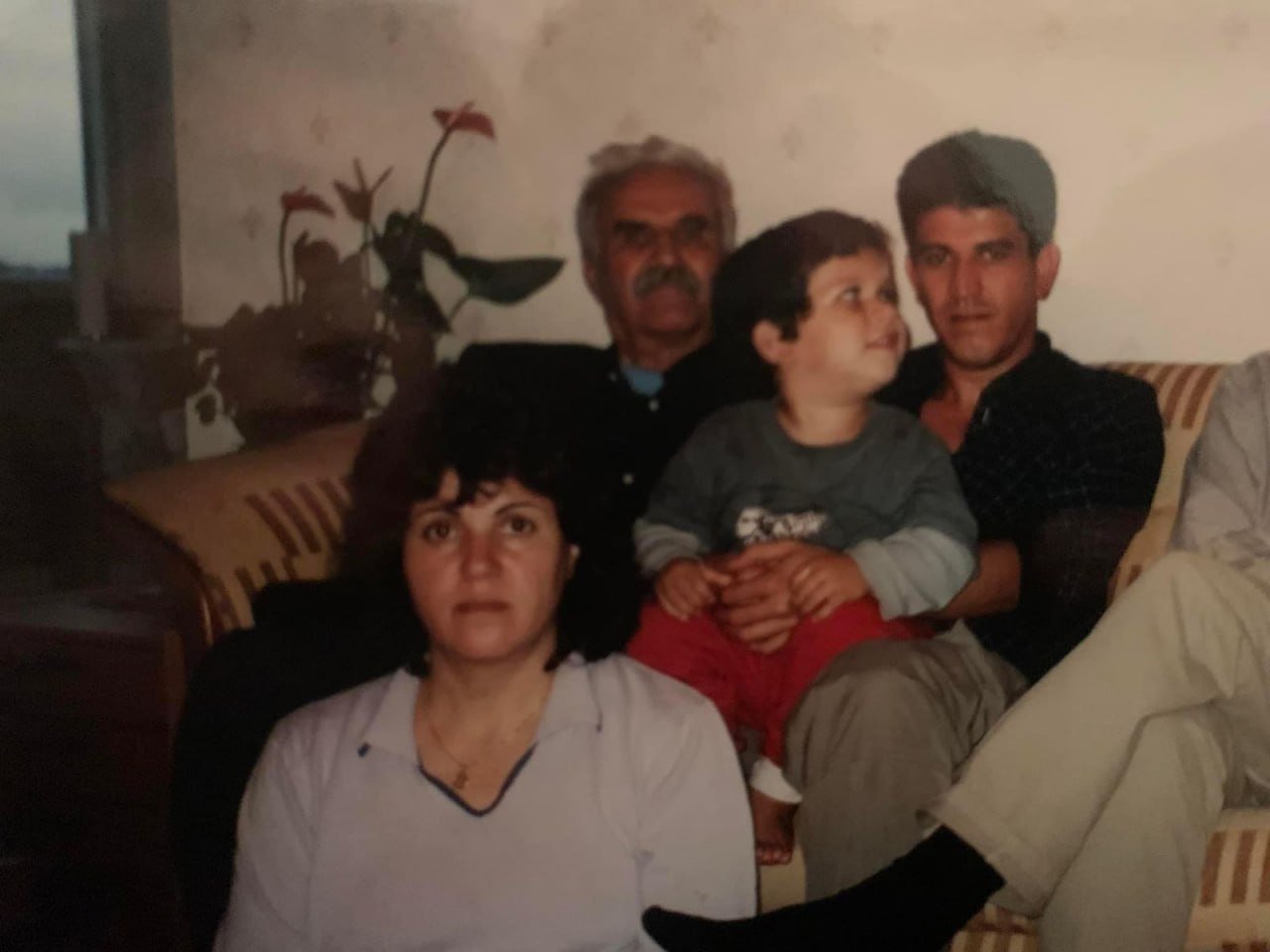
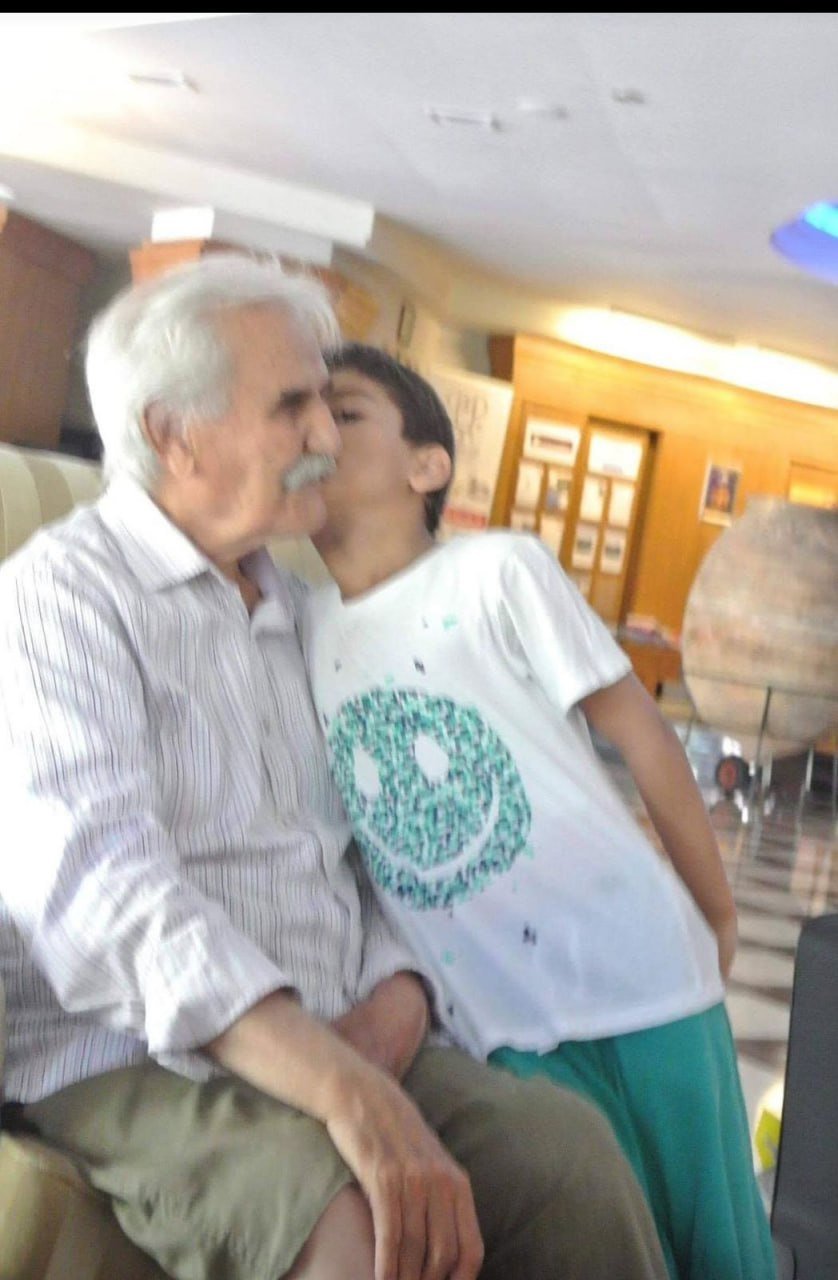
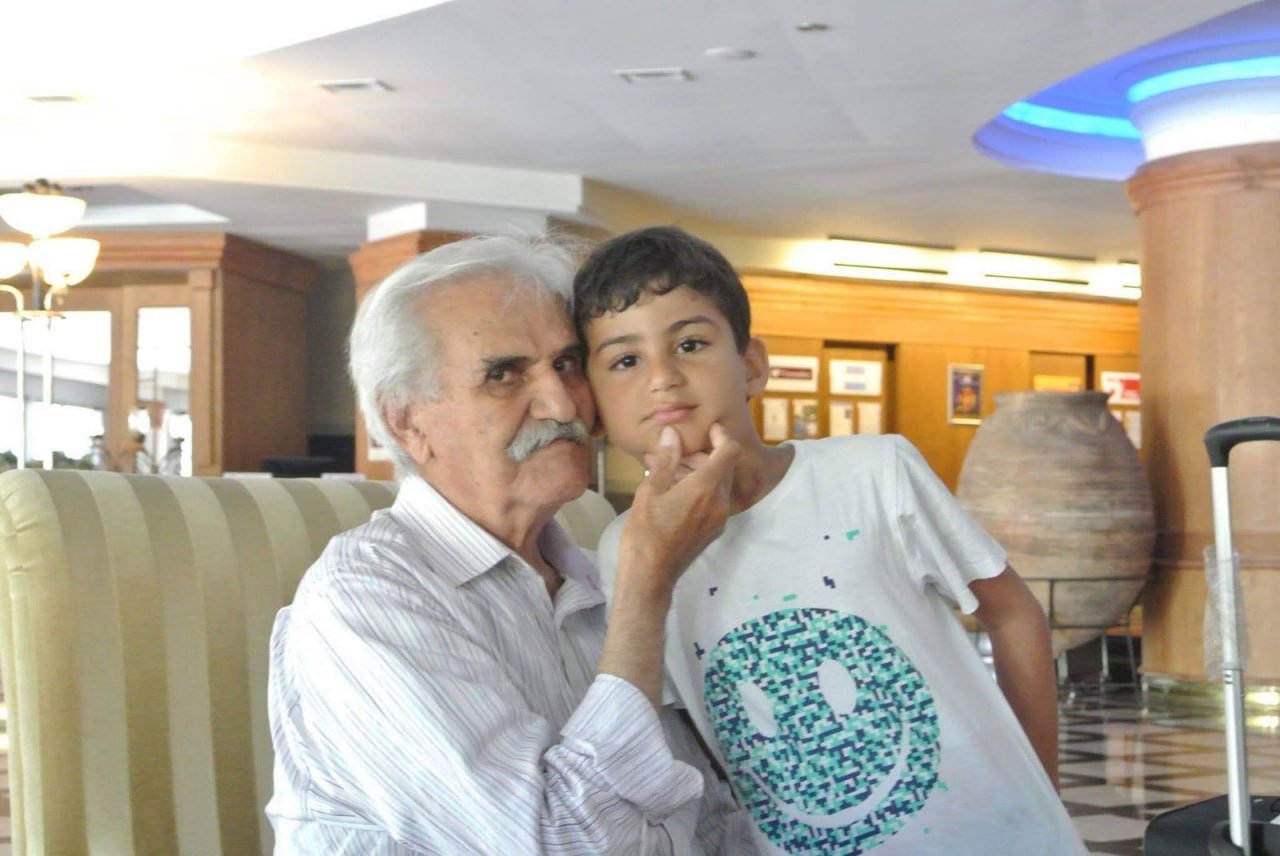
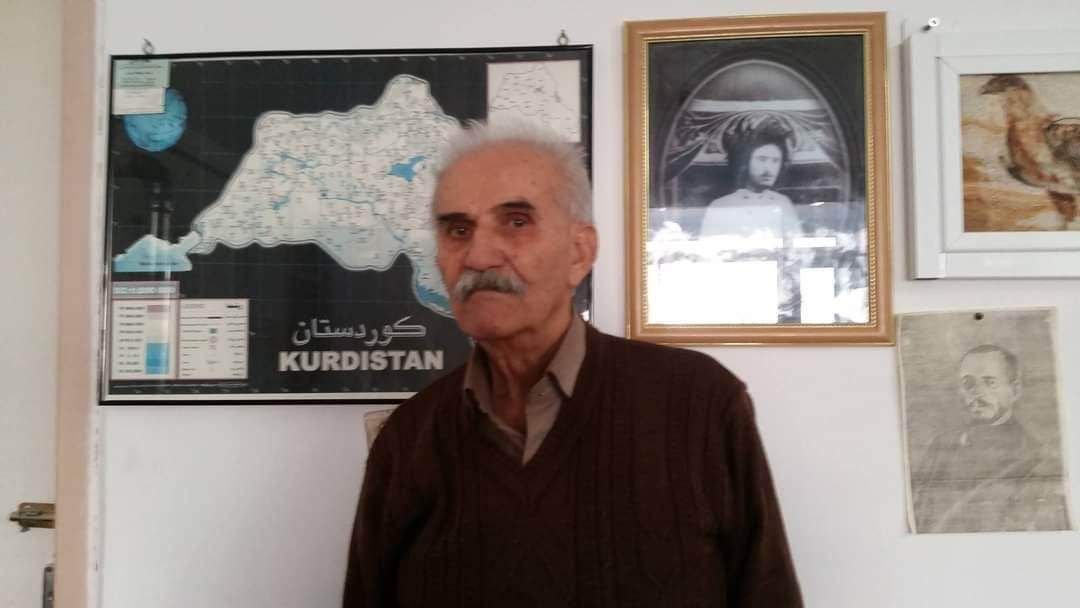
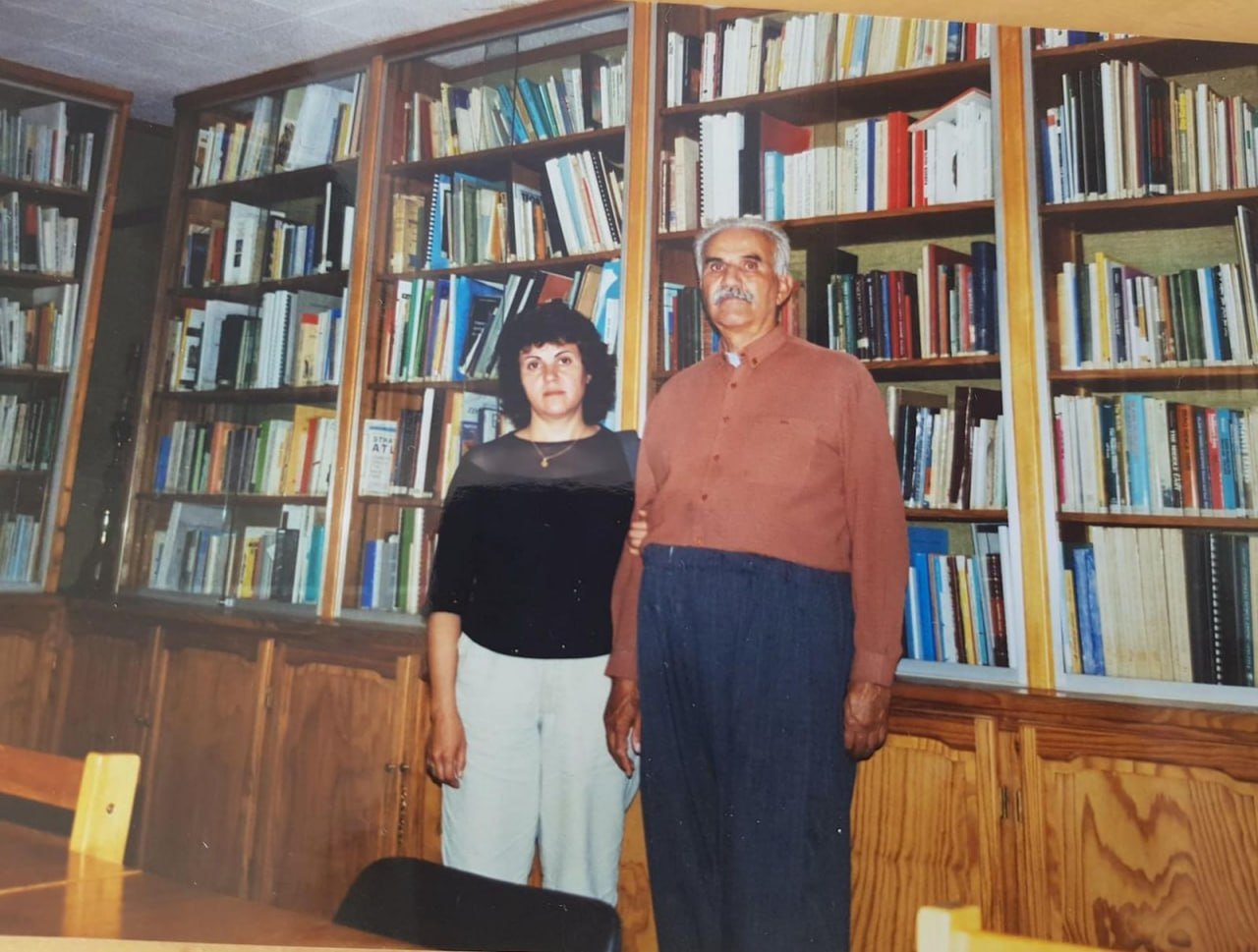
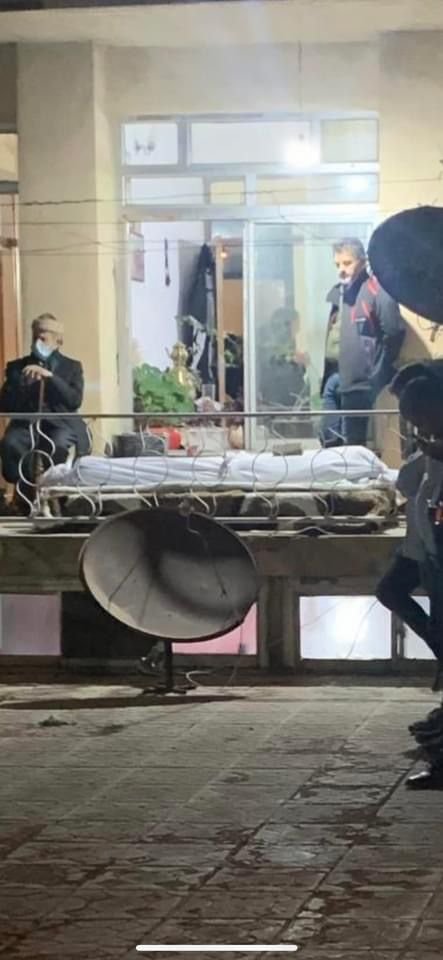
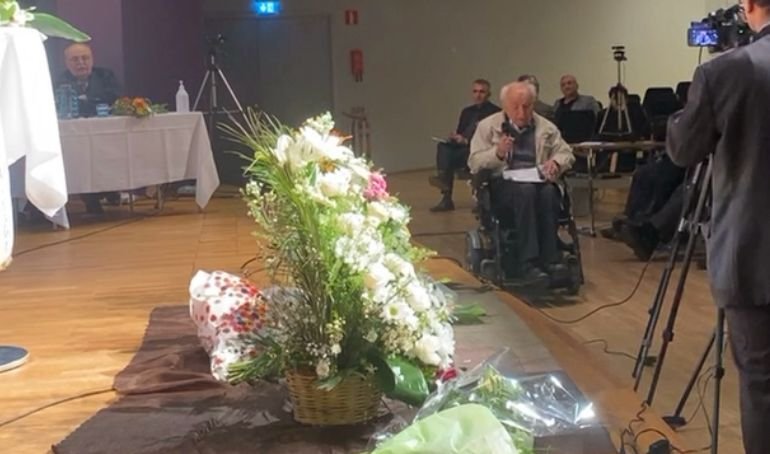
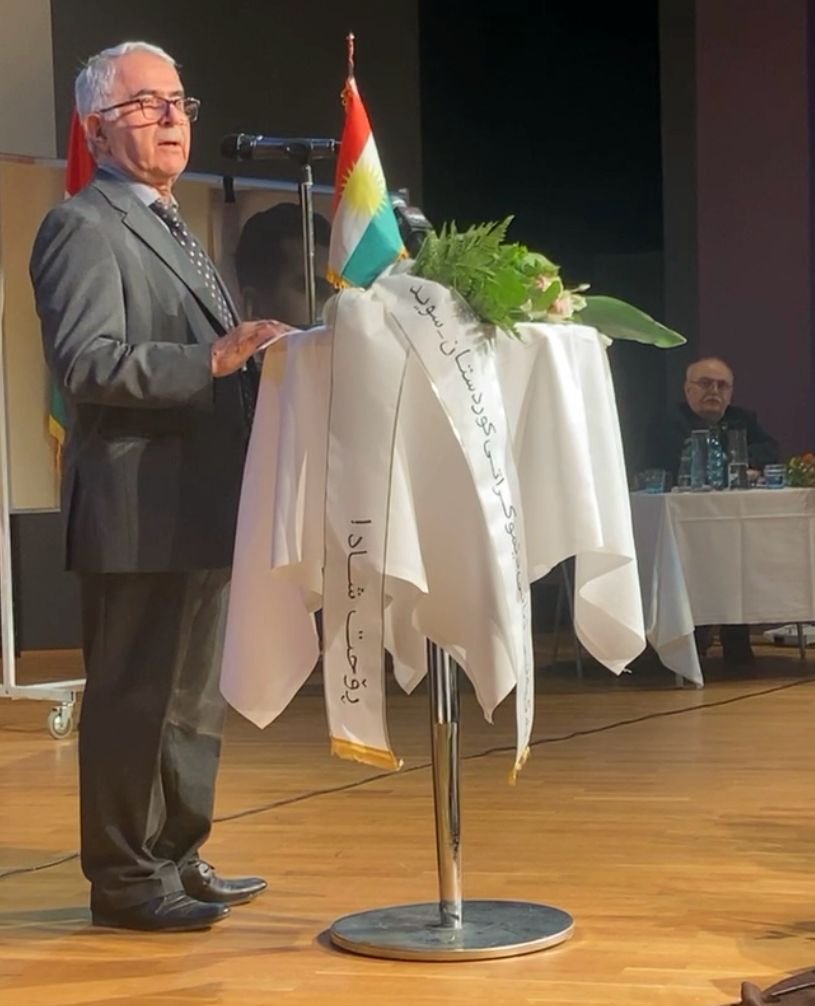
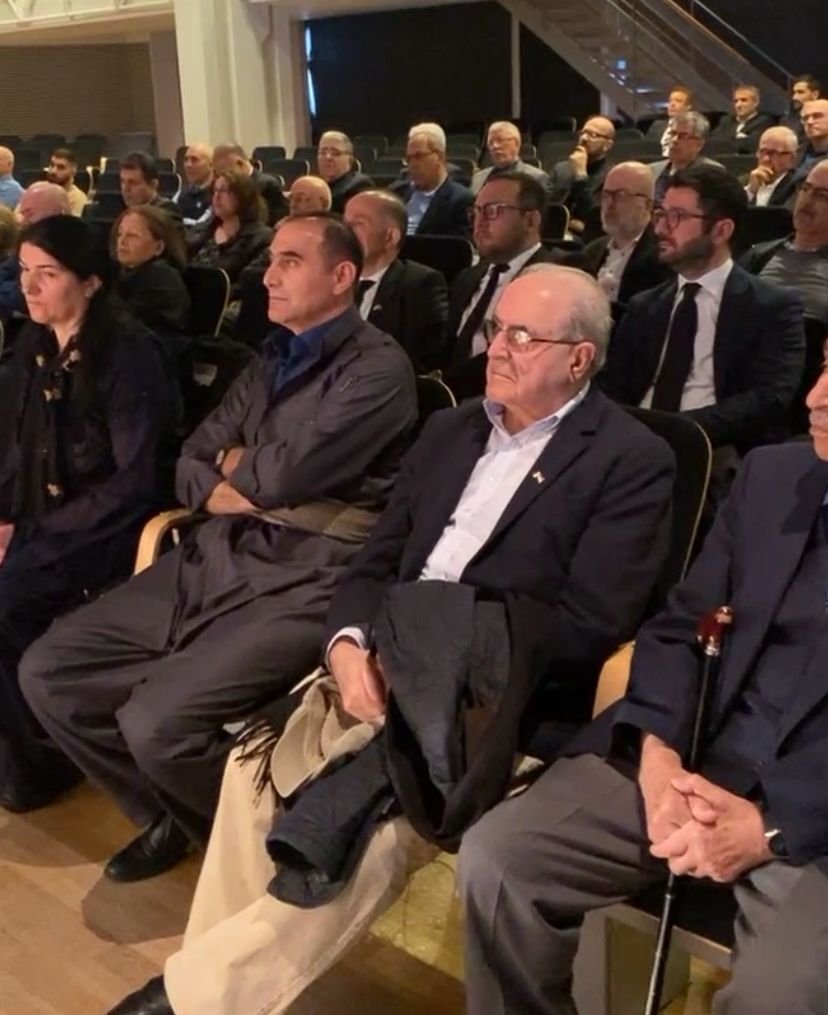
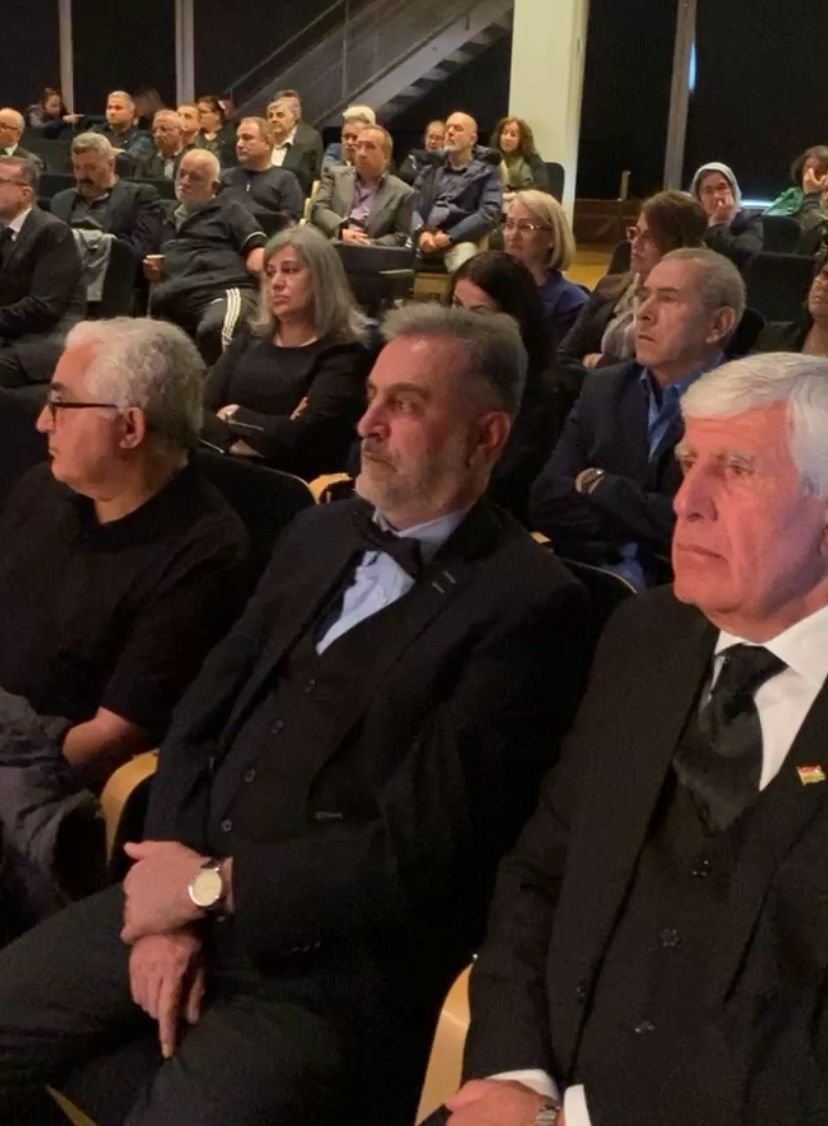
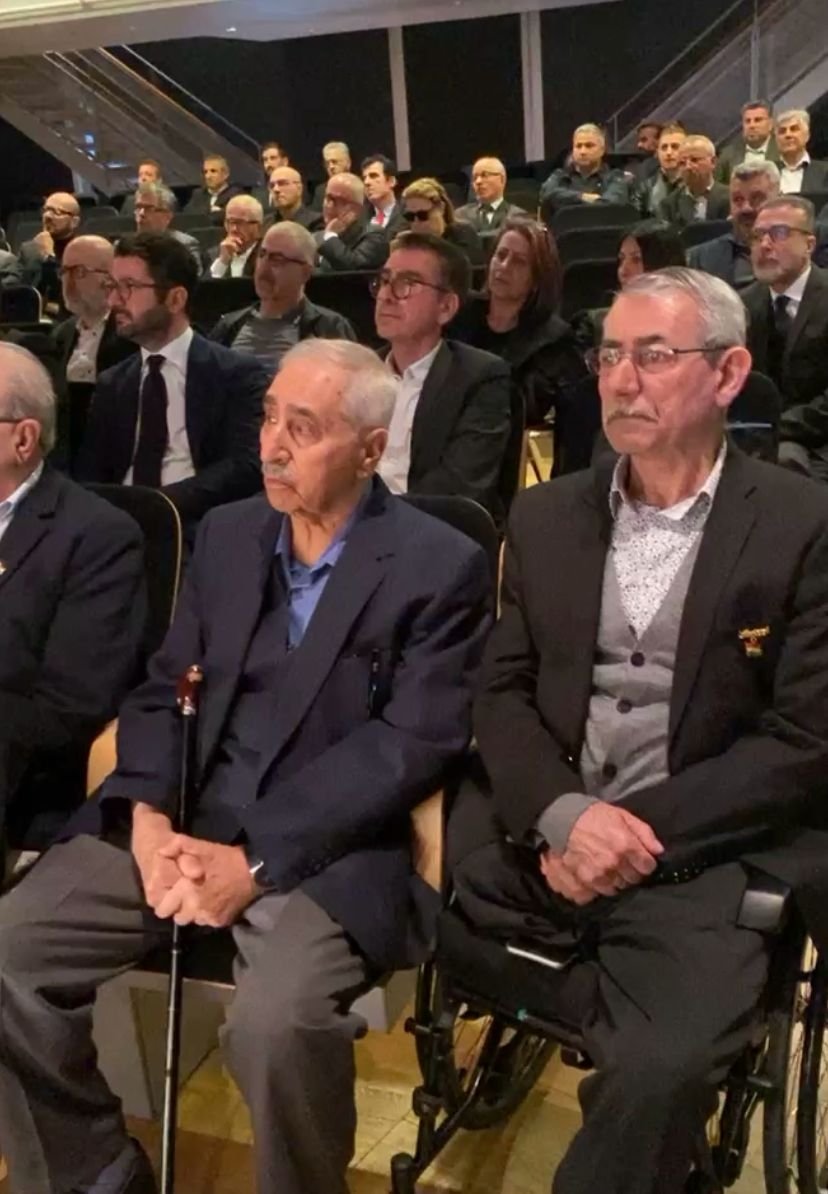
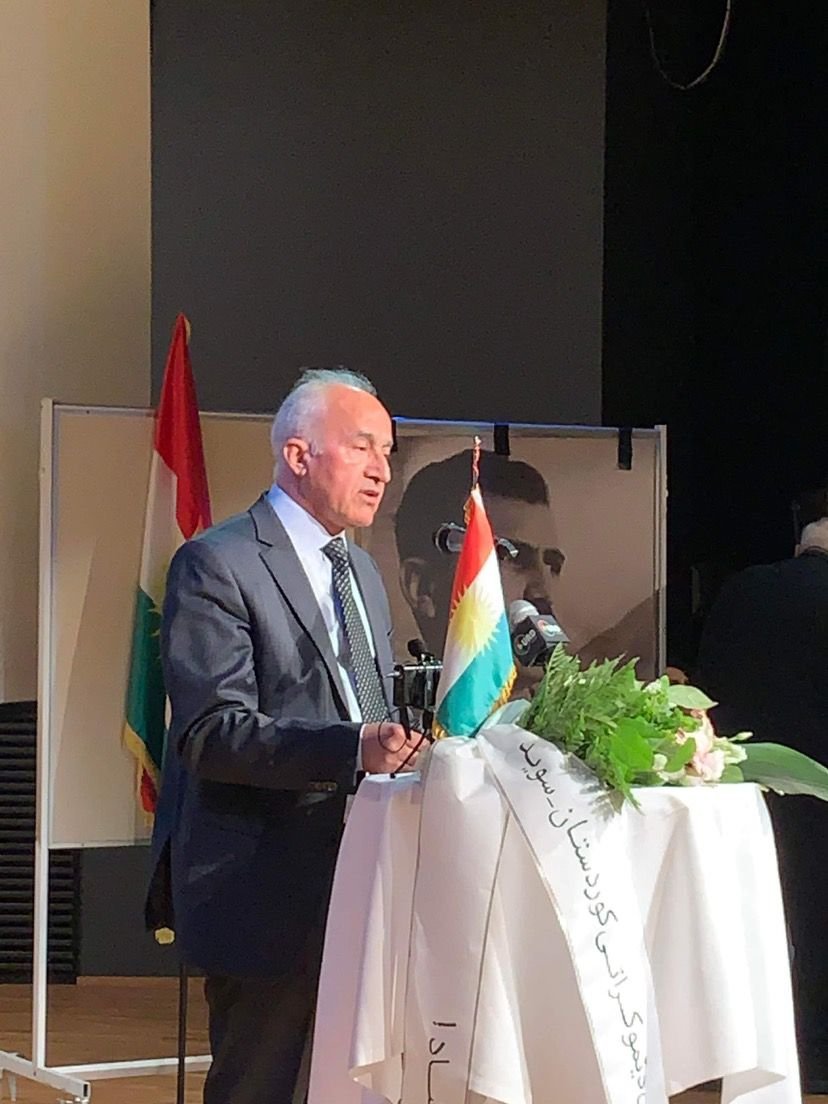
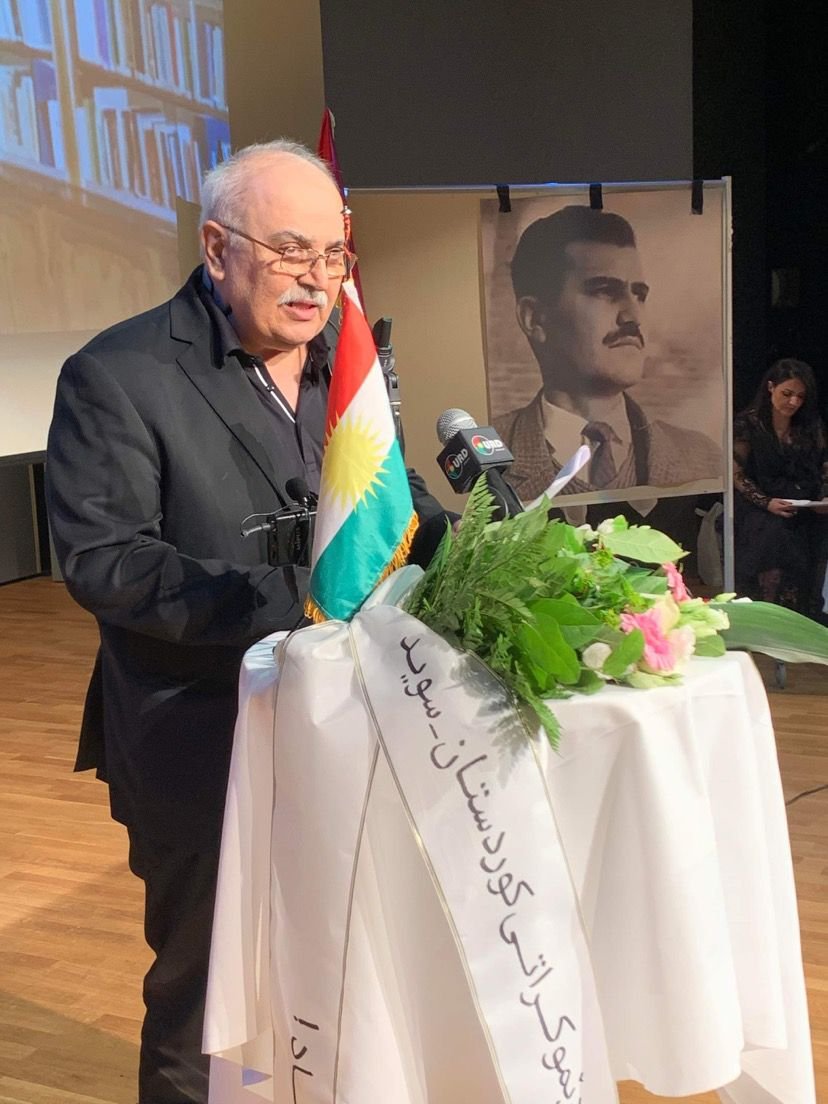
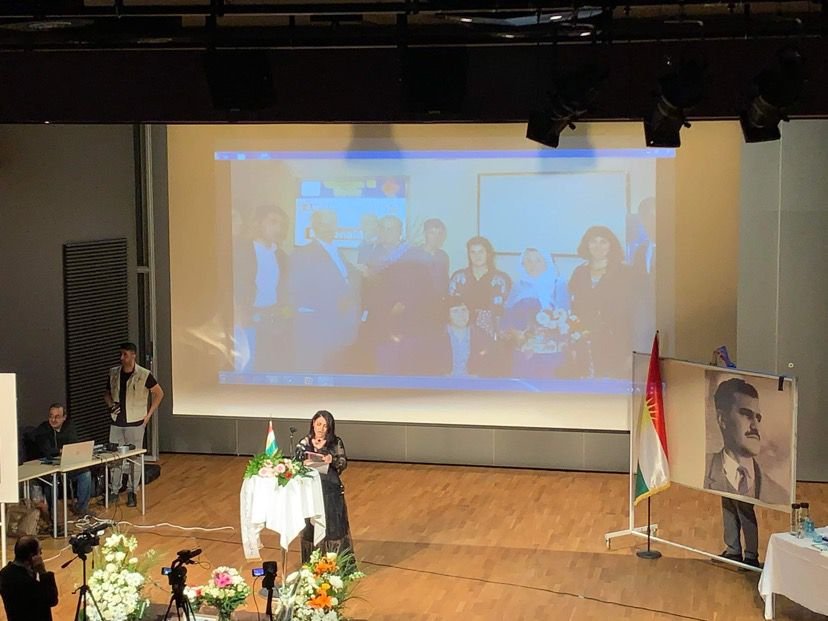
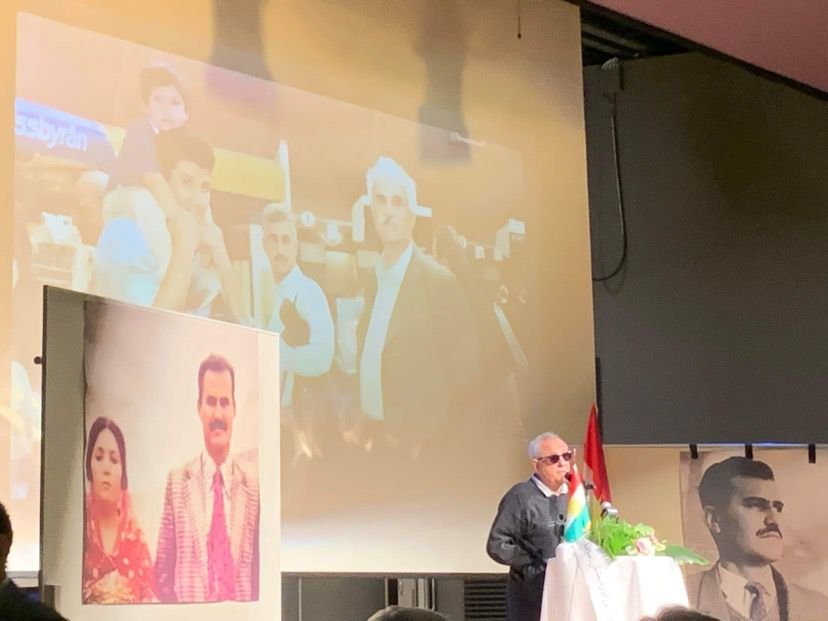
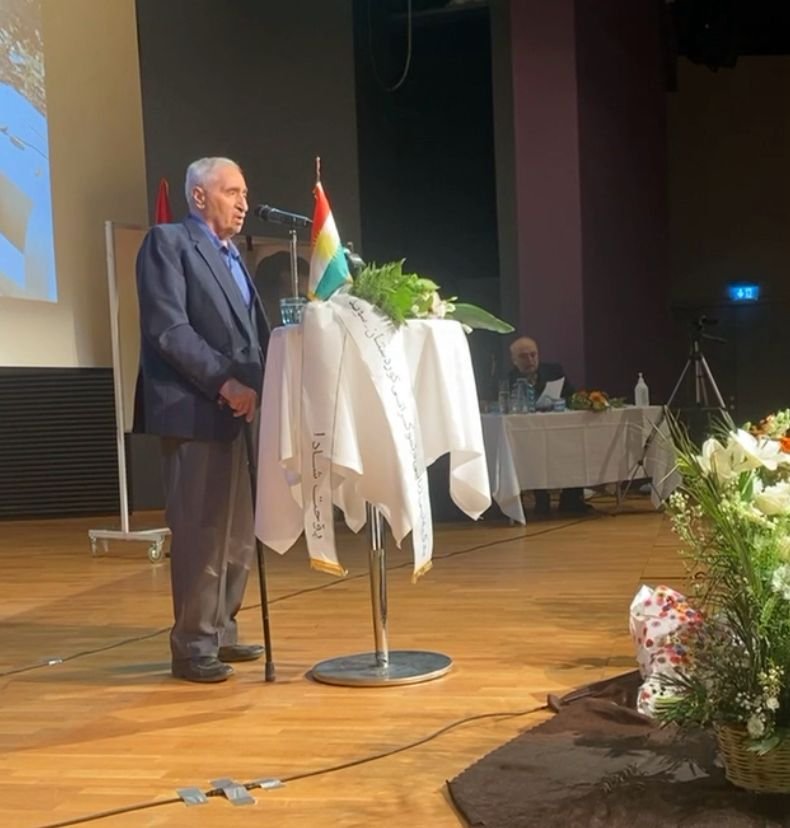
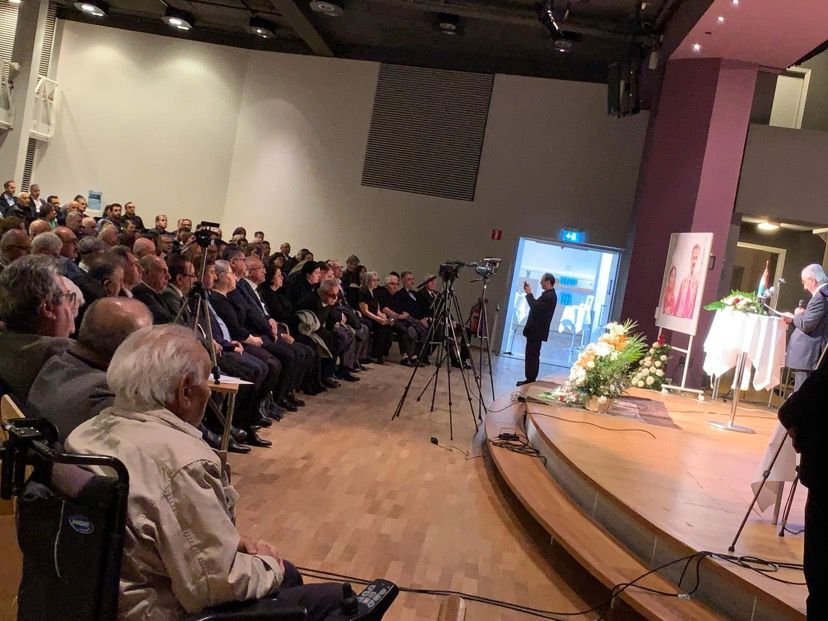
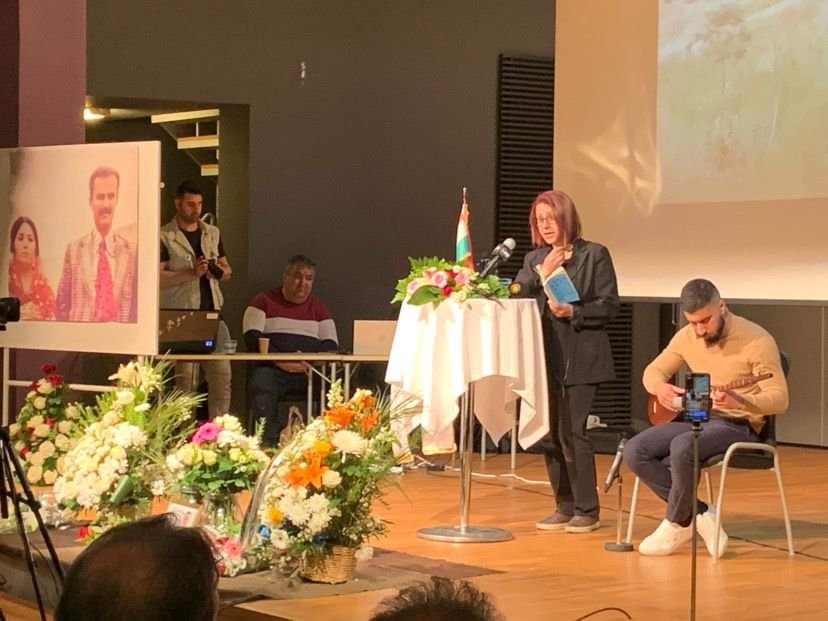
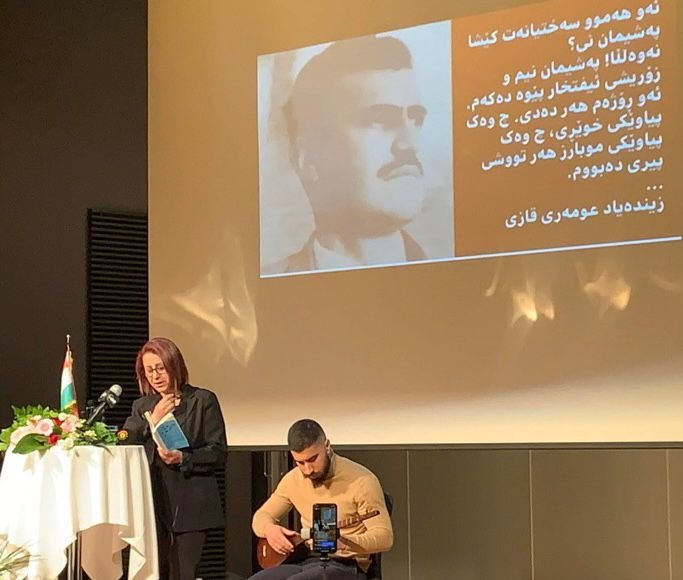
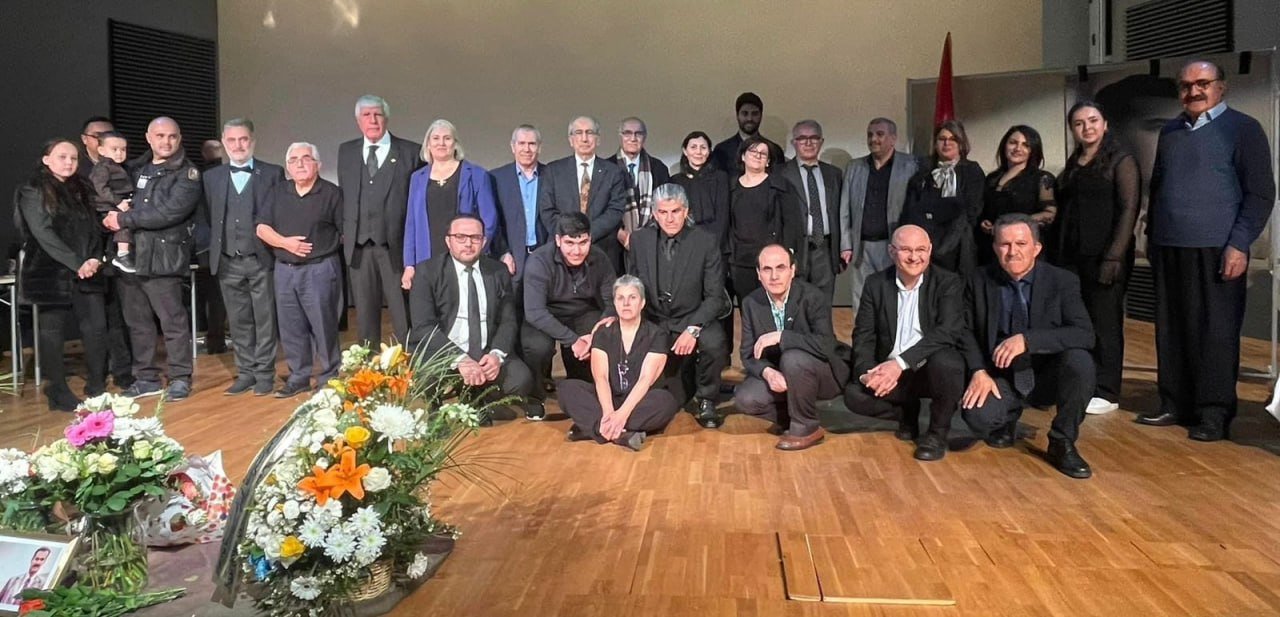
وێنەکانی کاک عومەر قازی و سەرەخۆشی و رێوو رەسمی رێزگرتن لە کاک عومەر