
Biography of Sha-Sultan Qazi, the First Female Teacher in the Republic of Kurdistan
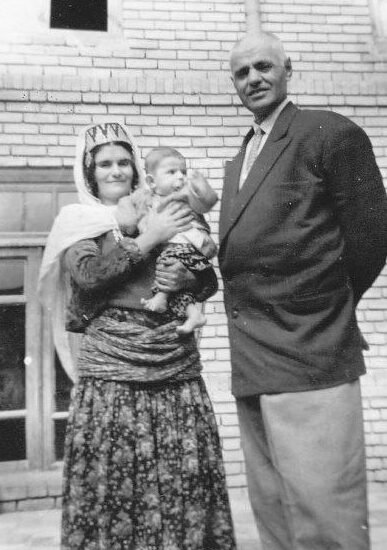
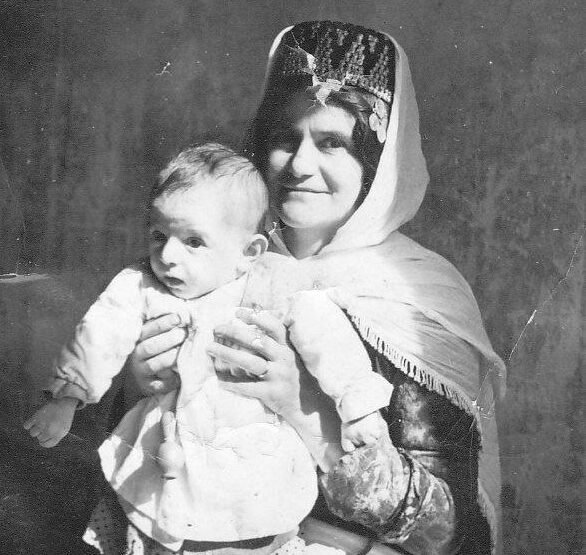
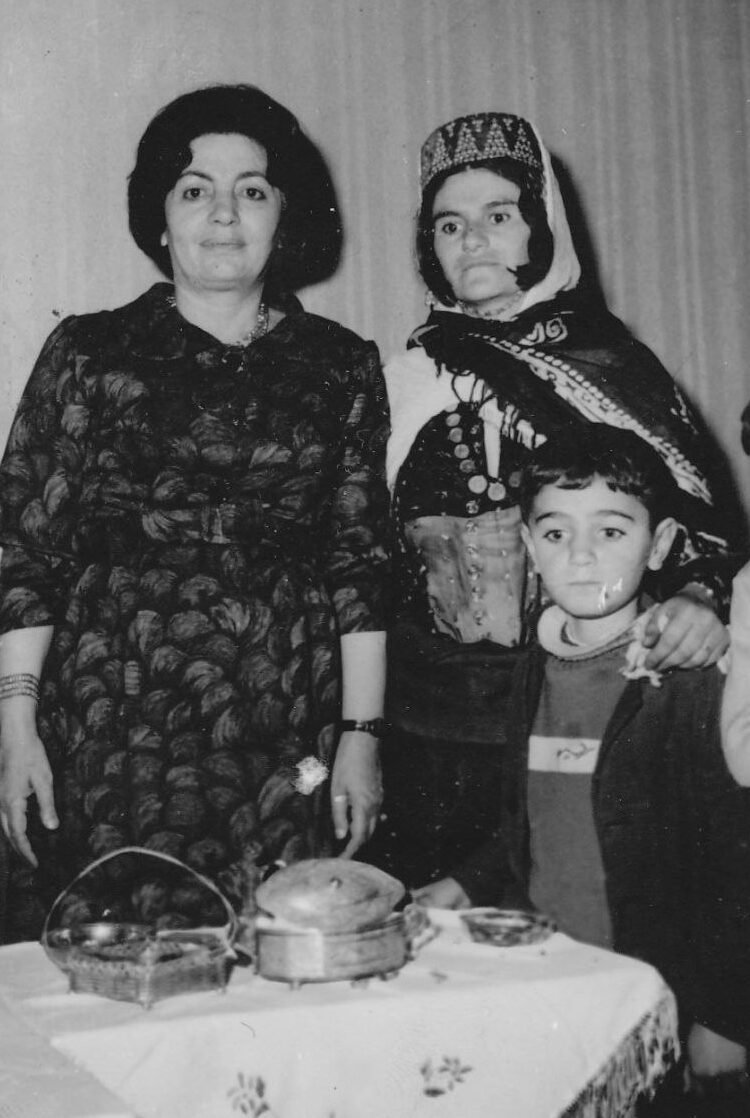
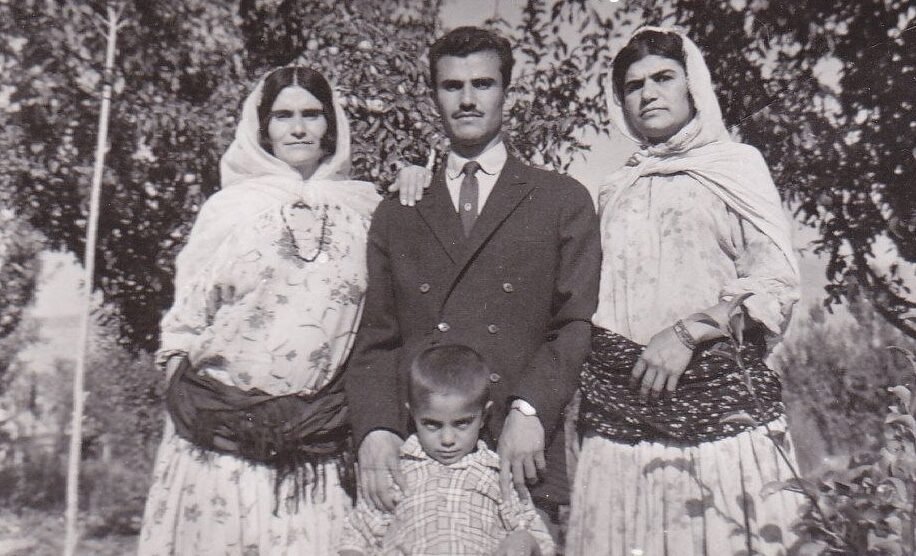
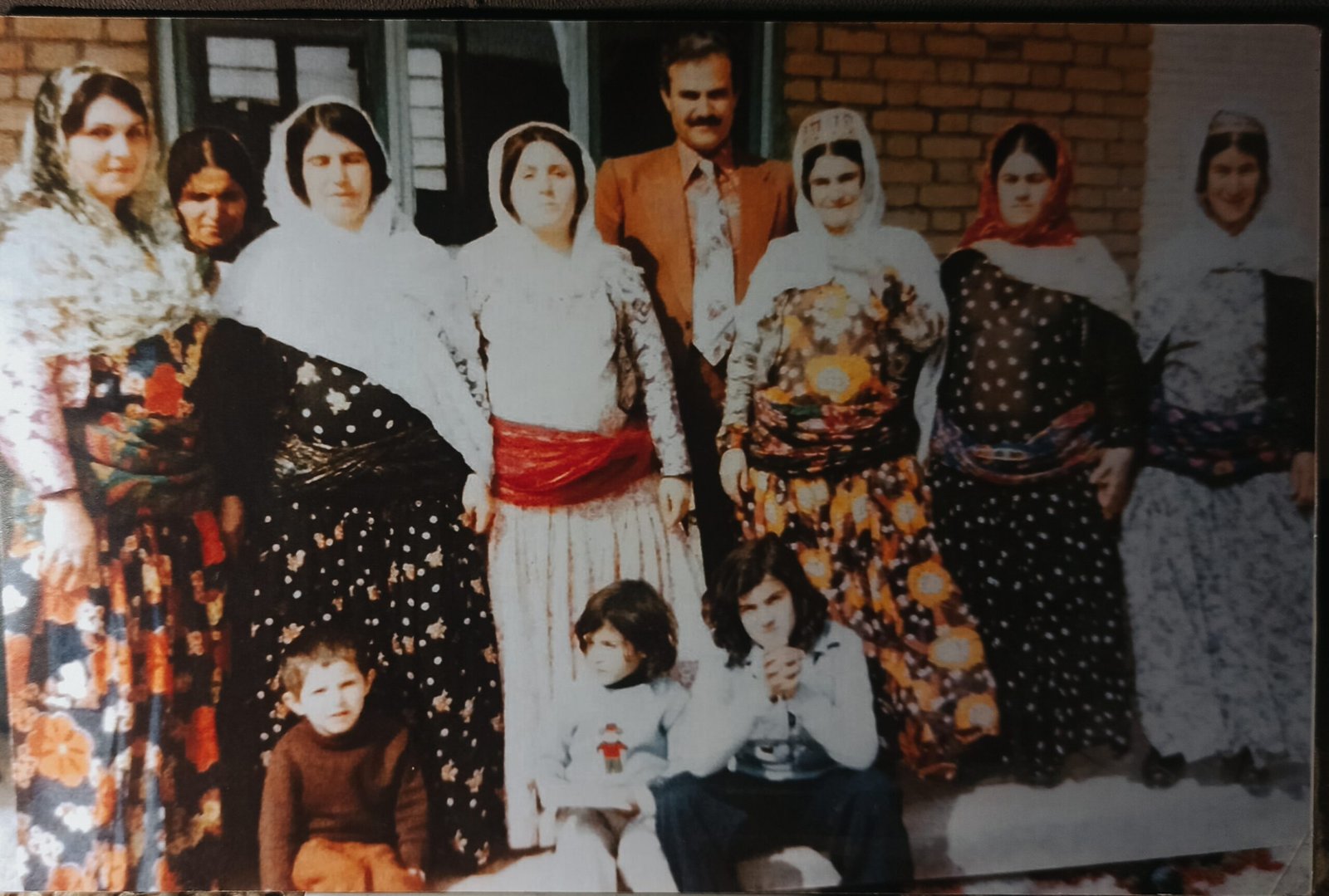
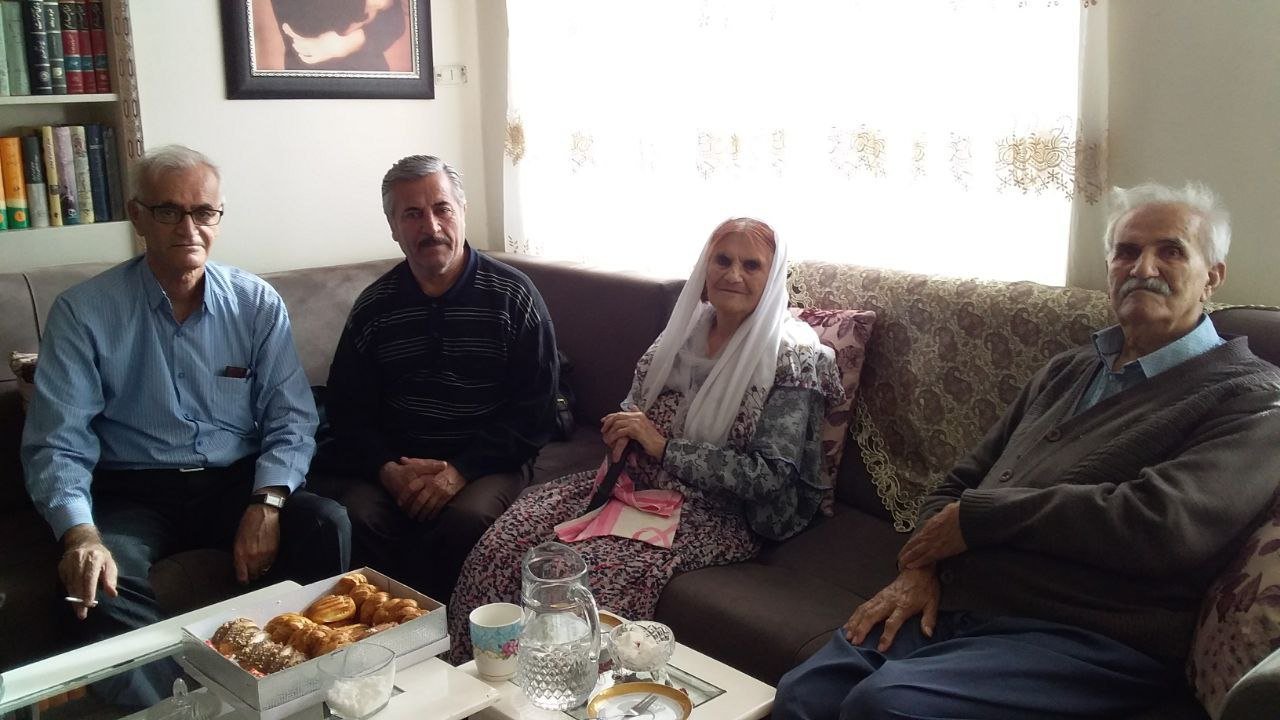
Sha-Sultan Qazi, daughter of Mirza Abdulwahab Qazi and Yay Khadijah Qazi, was born on June 16, 1930 (26/3/1309 Solar Hijri) in the city of Mahabad. Mirza Abdulwahab and Yay Khadijah had four children, ordered here by age: Mohammad (known as Kakeh Shineh of Qazi-Awa), Sha-Sultan, Omar, and Shashan. Paternally, Sha-Sultan was the granddaughter of Qazi Mon'im, and maternally, the granddaughter of the martyr Qazi Fattah. Sha-Sultan began her formal schooling in Mahabad and completed the sixth grade of elementary school in 1944 (1323 Solar Hijri), coinciding with the decline of the rule of Reza Shah Pahlavi, King of Iran. Shortly before that time, the Kurdish liberation movement in Eastern Kurdistan, led by Peshewah Qazi Muhammad, was gaining momentum. At the direct request of Peshewah himself, Sha-Sultan was tasked with teaching and voluntarily began her work in the schools of Mahabad. In his memoir written in Persian, titled The Leader of Awakening (which was later translated into Kurdish under the title Pêşeway Rabûn), Sa'eed Khan Homayoun writes on pages 78 and 79 that: With the start of the Kurdish democratic movement in Eastern Kurdistan in the 1940s (1320s Solar Hijri), the Republic of Kurdistan decided to establish the "Women's Committee" so that Kurdish women could stand shoulder to shoulder with men in democratic and social structures, become aware of their rights, and participate in activities. Continuing his writing, Sa'eed Khan quotes the notes of Mirza Manaf Karimi stating that: The responsibility of the Women's Committee was entrusted to Yay Mina Qazi, the wife of Peshewah Qazi Muhammad. Immediately after the announcement of the committee, several girls and women from Mahabad registered for membership, one of whom was Sha-Sultan Qazi. In addition to teaching at school, Sha-Sultan participated in the cultural and political activities of the committee and presented several writings and speeches, which were published in the Kurdistan newspaper of that time. Yay Sha-Sultan later married Mirza Khalil Fattah Qazi, son of Mirza Rasul. The result of this joint life was seven sons named: Mustafa, Jafar (both of whom died in childhood), Rahim, Salah, Mustafa, Yousuf, and Abolqasem (known as Luqman). Although Yay Sha-Sultan ended her political activities and teaching after the fall of the Republic of Kurdistan, she never abandoned her patriotic and community-minded spirit. By always listening to radio and television news, reading historical books, magazines, and newspapers, she strived to keep her level of knowledge about the world around her high and up-to-date. She constantly encouraged family members, friends, and acquaintances—especially young women—to pursue higher education and learning. In 1951 (1330 Solar Hijri), due to the job transfer of Mirza Khalil, the family relocated from Mahabad to Tabriz and remained there until Mirza Khalil's retirement in 1971 (1350 Solar Hijri). The family returned to Mahabad in 1976 (1355 Solar Hijri). Following the passing of Mirza Khalil in 1990 (1369 Solar Hijri), Yay Sha-Sultan moved her home to the city of Urmia and settled with her youngest son, Abolqasem, living there until Thursday, December 16, 2021 (25/9/1400 Solar Hijri), when she passed away at home surrounded by her family at the age of 91. Her body was returned to Mahabad and, with great sorrow, was laid to rest by relatives and the people of Mahabad in the cemetery of "Qazi-Awa" village. Sources:
- پەڕتوکی “پێشەوای ڕابوون”، بیرەوەرییەکانی سەعید خان هومایون (کۆکراوەی کاک هاشم سەلیمی) وەرگێڕانی بە کوردی: کاک ڕەسووڵ سوڵتانی.
- General History of the Kurdistan Democratic Party, The Golden Era of Nationalism, Volume 1, authored by Qasim Qazi.
- Kurdistan Newspaper, Issue No. 8, January 28, 1946 (8th of Bahman 1324 Solar Hijri).
نووسەری ئەو لاپەڕە: دوکتور یوسف فەتاح قازی
پێداچوونەوە: ناسر قازی